 fuyuhuaxue@iumrs.com
There is a moment every driver knows. You pull into a parking garage, and the experience is instantly defined by the surface beneath your tires. A cracked, stained, dusting concrete slab tells you to hurry—to park quickly, walk fast, and leave. A clean, smooth, high-gloss floor, on the other hand, does something quieter: it signals that this space is cared for. That the people who run this building pay attention to details. That the structure itself is sound. In a world where first impressions are made in seconds, the floor of a parking garage has become an unlikely ambassador for the quality of the entire facility.
The same is true in the public spaces that connect our daily lives—shopping malls, warehouses, hospital corridors, school hallways, and transit facilities. These are the spaces of constant motion, where foot traffic is heavy, equipment is wheeled across the floor thousands of times a day, and cleaning crews work through the night to keep the environment presentable. For years, these floors were treated as purely functional surfaces—a place to apply a sealer, patch a crack, and move on. But the demands of modern facilities have changed. Floors must now be durable, safe, hygienic, visually appealing, and quick to install. They must withstand forklifts, shopping carts, gurneys, and cleaning chemicals. And they must do so without a long return-to-service time that shuts down the facility.
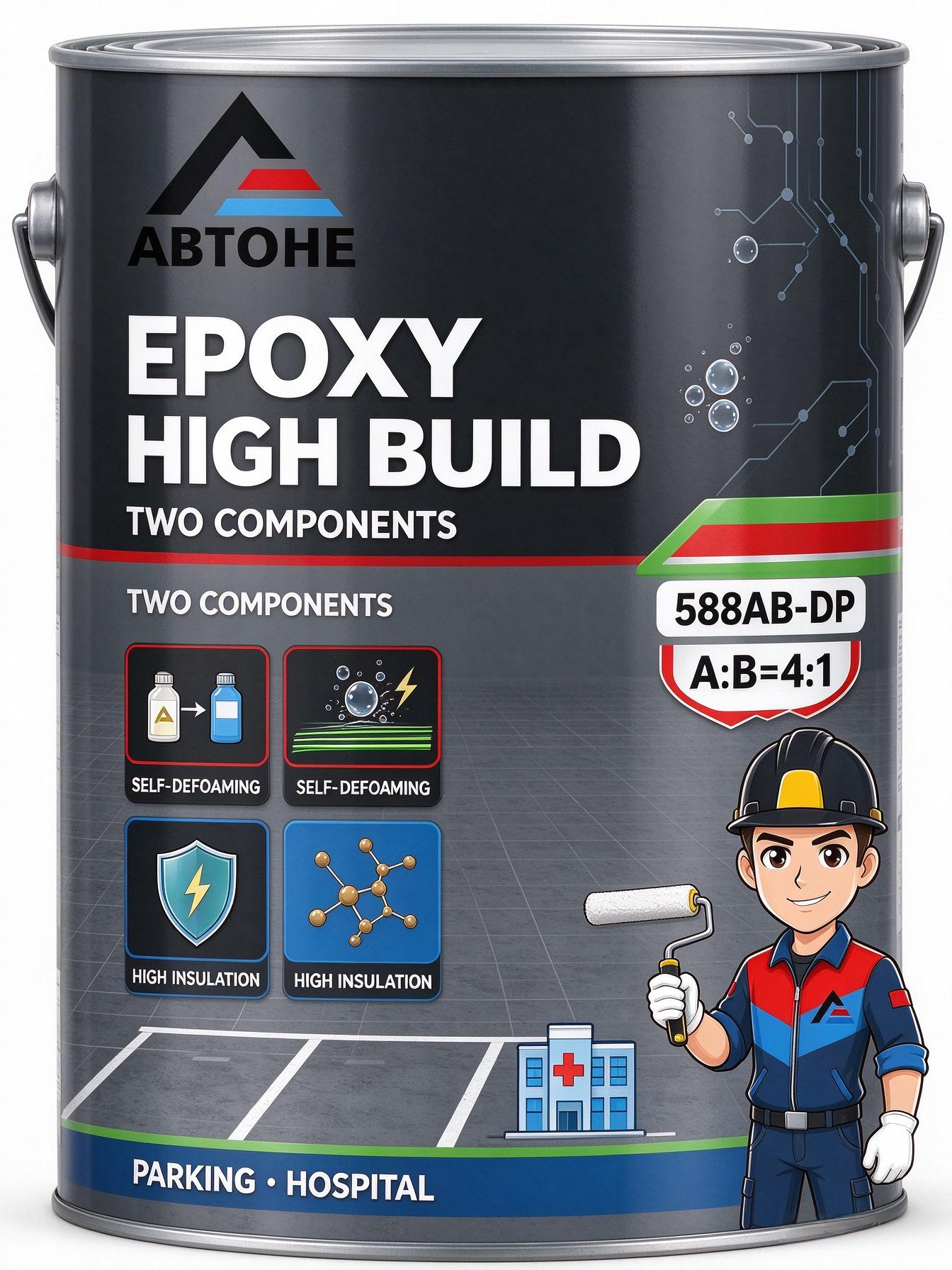
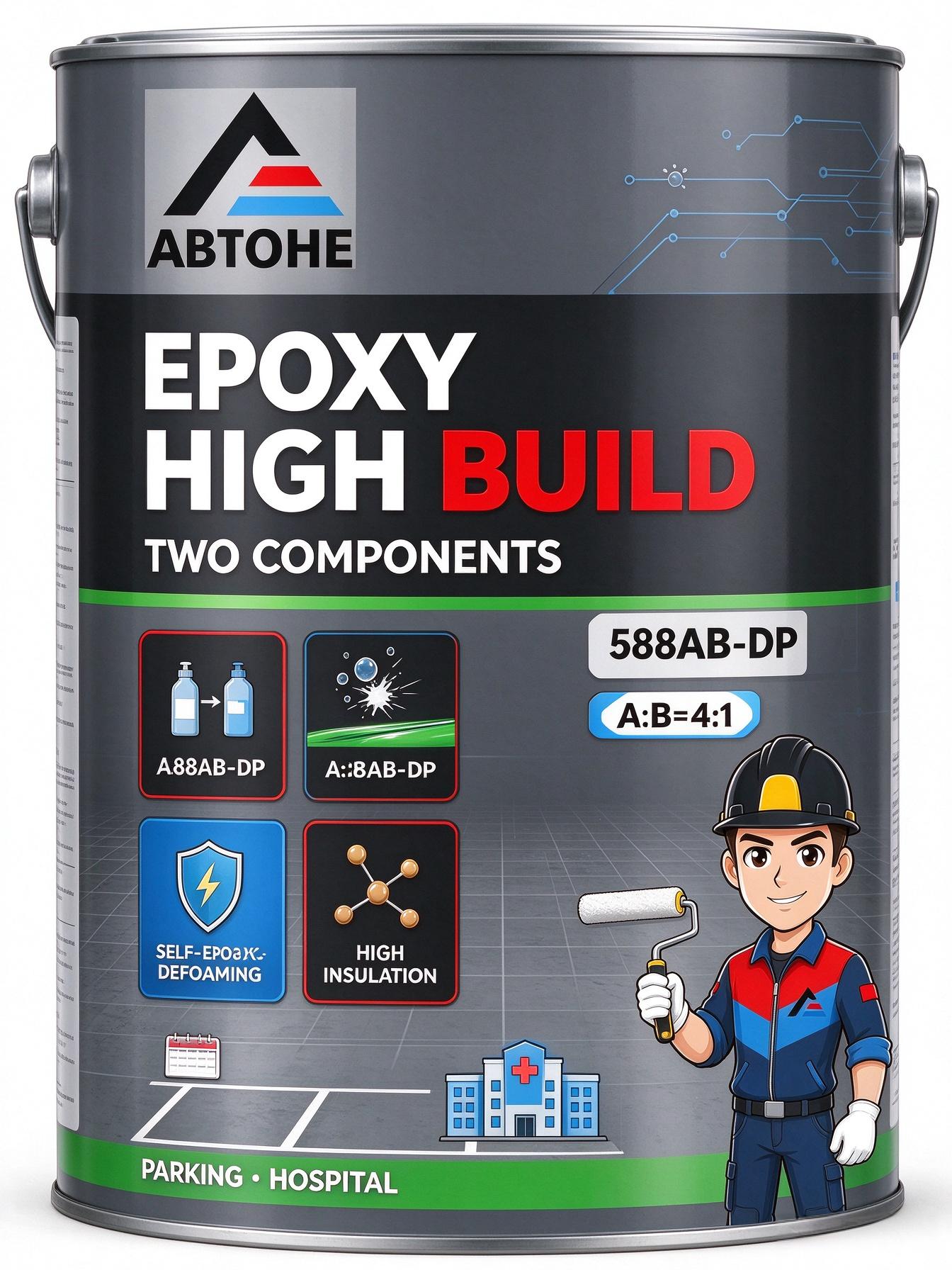
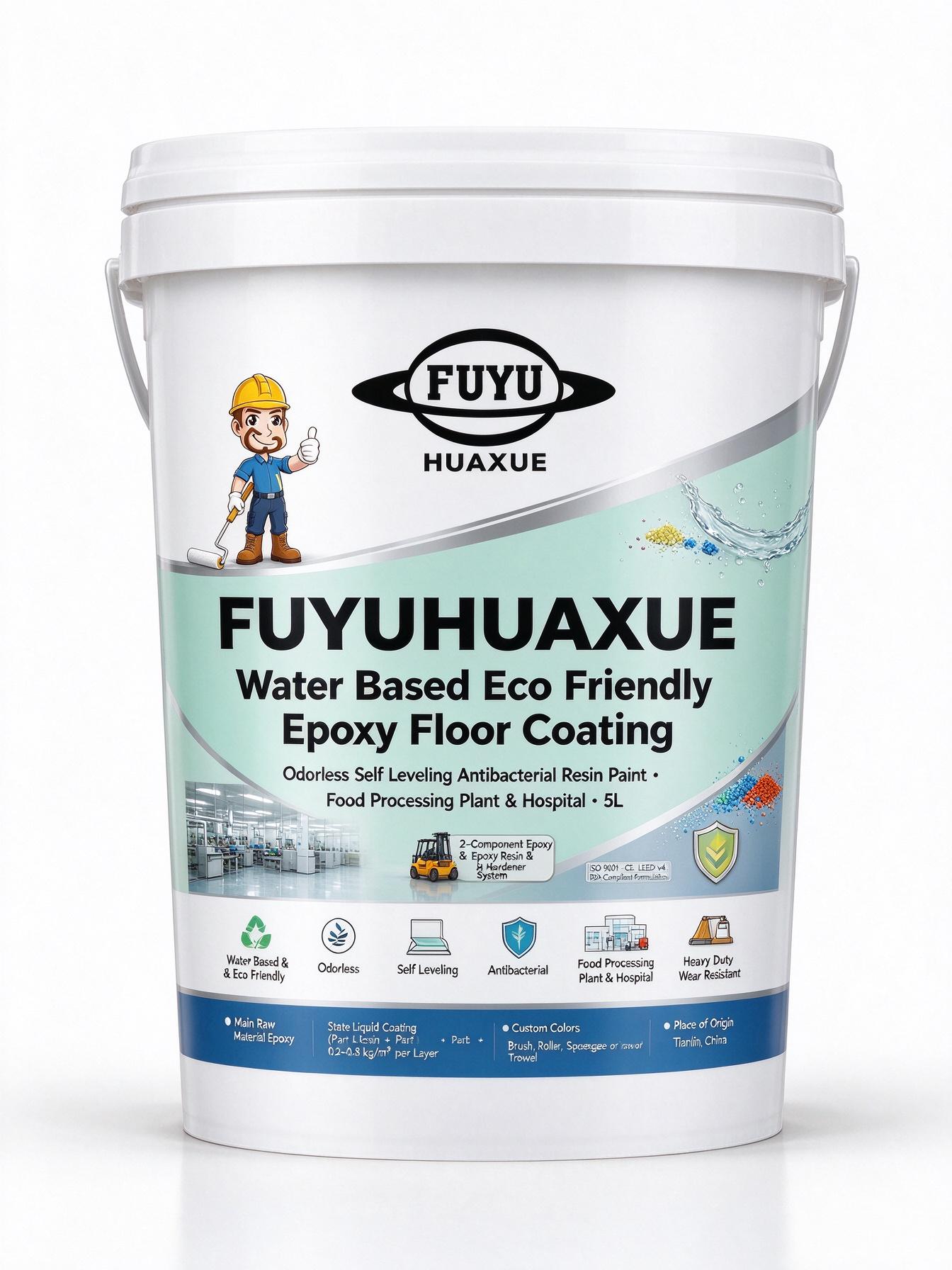
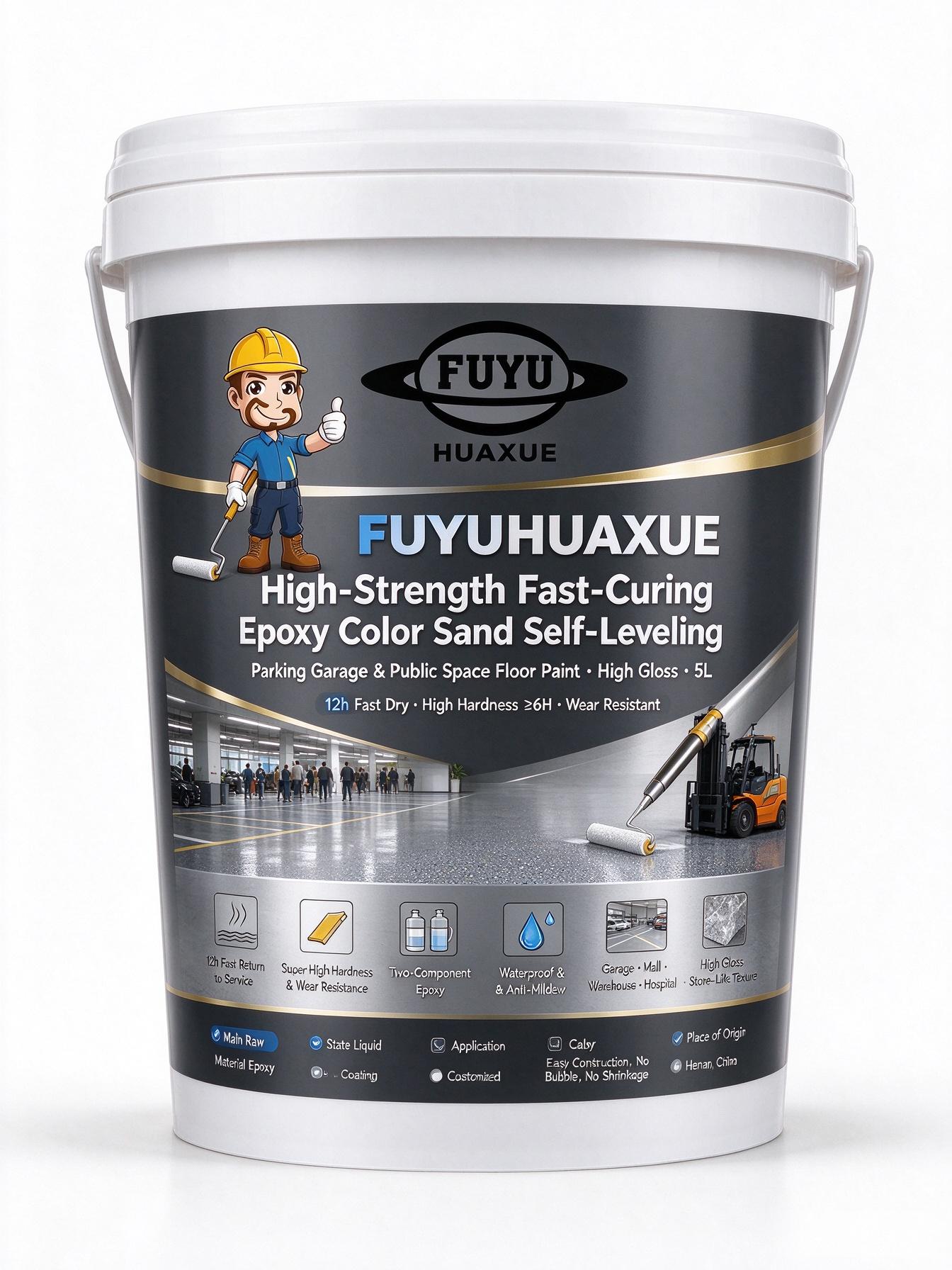
Enter the high-strength fast-curing epoxy color sand self-leveling liquid coating, a flooring system that is quietly rewriting the rules for parking garages, public spaces, and high-traffic commercial environments. This is not a conventional epoxy. It is a formulation engineered around a specific set of real-world pressures: the need for a surface that cures fast, bonds hard, resists wear and moisture, and looks good enough to elevate the entire space.
The Gloss That Says Something
One of the first things people notice about a well-applied epoxy floor is the finish. The high-gloss surface is reflective, bright, and almost luminous under artificial light. In a parking garage, where lighting is often dim and shadows are deep, a high-gloss floor does more than look attractive—it amplifies existing light, bouncing it across the surface and reducing the sense of gloom that makes garages feel unsafe. For mall operators, the reflective quality makes the floor feel clean and premium. For hospital administrators, it reinforces the perception of hygiene and order. In every case, the gloss finish is not vanity; it is a functional contributor to how the space is experienced by the people who use it.
But the value of a coating is not in how it looks on day one. It is in how it looks after three years of traffic, cleaning, and chemical exposure. The high-strength epoxy system is engineered to maintain its gloss and color over time, thanks in part to its UV stability and colorfast properties. Outdoor-specific formulations resist yellowing and chalking under prolonged sun exposure, which is particularly important for parking structures with open sides, entryways, and courtyards where sunlight reaches the floor. The result is a floor that stays visually consistent, that continues to communicate care and quality, and that does not require frequent reapplication to maintain its appearance.
Fast Curing: The Economics of Downtime
In the flooring industry, time is money—literally. A parking garage that is out of service for a week loses revenue, disrupts tenants, and forces drivers into competitive facilities. A shopping mall that must close a corridor for repair loses foot traffic and tenant goodwill. A warehouse that cannot operate for days loses productivity and may face contractual penalties. This is why the drying time of a coating is not a minor specification; it is a critical economic variable.
The high-strength epoxy system cures in approximately 12 hours, allowing for a quick return to service and minimizing downtime. This is a significant advantage over slower-curing systems that may require 24 hours or more before traffic can resume. The fast-curing chemistry also contributes to the self-leveling property, which means the material flows evenly across the substrate and requires minimal manual leveling. This reduces labor time and reduces the risk of inconsistencies that can lead to rework. For facility managers and contractors, the combination of fast curing and self-leveling translates directly into shorter project timelines, lower labor costs, and less disruption to the people who use the space.
The two-component formulation—resin and hardener—is a further contributor to both speed and durability. Two-component epoxies cure through a chemical reaction rather than solvent evaporation, which means the film hardens uniformly and achieves its full strength more quickly. This chemical curing process also produces a denser, more tightly cross-linked film, which is why the system achieves surface hardness exceeding 6H and exceptional wear resistance. In a parking garage, where forklifts, heavy equipment, and tire traffic constantly test the floor, this hardness is what prevents abrasion, polishing, and premature failure. In a warehouse, where pallets are dragged and machinery moves on a fixed path, the same property keeps the floor intact and the operation running.
Waterproof, Anti-Mildew, and the Hygiene Question
Parking garages and public spaces are not typically thought of as hygiene-critical environments, but the reality is more nuanced. Moisture is a persistent threat in parking structures, particularly in climates with high humidity or during winter months when snow and ice are brought in on vehicle tires. Without adequate protection, moisture penetrates concrete, leads to freeze-thaw damage, and creates an environment where mold and mildew can grow. The high-strength epoxy coating is waterproof and anti-mildew, sealing the substrate against moisture intrusion and preventing the growth of mold. This is important not only for the structural integrity of the floor but also for the air quality of the space. Mold and mildew can create unpleasant odors and, in enclosed garages, contribute to a stale, unhealthy environment. A waterproof, anti-mildew floor is a healthier floor.
The same properties matter in hospitals, schools, and shopping malls, where hygiene is a more visible concern. The seamless, dense, and smooth surface prevents stain and oil penetration, making it easy to clean with water or detergent. There are no grout lines to scrub, no seams to harbor bacteria, and no porous pockets where dirt and moisture can settle. This simplifies hygiene maintenance and supports infection control protocols in healthcare and food-adjacent environments. For hospitals, the seamless surface is particularly valuable because it eliminates the joints and crevices where pathogens accumulate, and it allows for thorough cleaning with standard disinfectants. The anti-mildew property is an added layer of protection in humid areas such as bathrooms, kitchens, and utility rooms.
Hardness, Adhesion, and the Battle Against Cracks
The true test of any floor coating is not how it performs on the day of installation but how it handles the years of stress that follow. Concrete substrates move. They crack, settle, and flex under load. In parking garages, where the substrate is often large and exposed to temperature fluctuations, fine cracks are almost inevitable. The question is whether the coating will bridge those cracks or fail with them.
The high-strength epoxy system is engineered for impact and crack resistance. Its flexibility allows it to bridge and resist the propagation of fine substrate cracks, preventing the coating from fracturing. This is a critical property in environments where heavy vehicles and equipment are constant. A floor that cracks under stress not only looks bad but also becomes a point of water intrusion and further deterioration. By resisting crack propagation, the coating maintains the integrity of the floor and protects the substrate beneath.
This is complemented by high adhesion and anti-peeling properties. The system bonds firmly to concrete substrates, reducing the risk of delamination or peeling. This is particularly important in renovation projects, where the existing substrate may be aged, patched, or uneven. A coating that does not bond properly will fail at the edges first—lifting, curling, and eventually peeling away. The high-adhesion formulation reduces this risk, ensuring that the floor remains intact even under heavy traffic and repeated cleaning.
The super high hardness—exceeding 6H—and exceptional wear resistance are what allow the coating to withstand long-term forklift and heavy equipment traffic. In a warehouse, where forklifts travel thousands of kilometers per year, the floor is subject to constant abrasive wear. A softer coating would show visible tire marks and wear patterns within months. The high-strength epoxy system resists this wear, maintaining its appearance and performance over a service life that justifies the investment.
Safety: Slip Resistance and the Human Factor
For all the talk of hardness and durability, the most important property of a floor is how it affects the people who walk on it. Slip and fall accidents are among the most common causes of injury in public spaces, parking garages, and workplaces. The high-strength epoxy system provides reliable anti-slip performance even on wet or oily surfaces, making it ideal for areas with high safety requirements. This is particularly relevant in parking garages, where water, oil, and debris are common, and in shopping malls, where polished floors can become dangerous during rainy weather.
The lasting slip resistance is not achieved through a temporary surface treatment that wears away with traffic. It is built into the formulation, ensuring that the floor remains safe throughout its service life. In hospitals and schools, where patient and student safety are paramount, this property is a meaningful contribution to risk management. It is also a reassurance for facility managers, who know that a single slip-and-fall incident can result in significant liability and reputational damage.
Eco-Friendly, Low-Odor, and the Indoor Air Quality Imperative
Modern building standards increasingly prioritize indoor air quality and environmental responsibility. The high-strength epoxy system is formulated to be low-VOC and low-odor, minimizing environmental impact during application and meeting green building and indoor air quality standards. This is particularly important in occupied buildings, where flooring work may be conducted in or near areas with ongoing activity. A low-odor formulation allows work to proceed with less disruption, and a low-VOC formulation reduces the release of harmful chemicals into the indoor environment.
For hospitals, schools, and shopping malls, where the health and comfort of patients, students, and customers are directly affected by indoor air quality, this is more than a regulatory checkbox. It is a genuine consideration in the selection of building materials. The eco-friendly formulation reflects a broader shift in the coatings industry toward products that are not only functional and durable but also responsible.
Chemical and Water Resistance: The Chemistry of Protection
The high-strength epoxy system is designed to resist corrosion from common chemicals such as acids, alkalis, salts, and oils. It is fully waterproof and moisture-proof, protecting the substrate from water damage. This chemical resistance is particularly valuable in environments where de-icing salts, automotive fluids, cleaning agents, and industrial chemicals are present. In parking garages, de-icing salts are a major cause of concrete deterioration, and a coating that resists salt corrosion can significantly extend the life of the structure. In warehouses and workshops, where oils and solvents are common, the chemical resistance ensures that the floor remains stable and safe.
The waterproof property also prevents moisture from penetrating the substrate, which is critical for concrete floors that may be exposed to groundwater, rain, or cleaning water. By sealing the surface, the coating protects the concrete from freeze-thaw damage, efflorescence, and mold growth, and it reduces the need for costly repairs and resurfacing.
Stone-Like Texture and High-End Decoration
Beyond performance, the high-strength epoxy system offers decorative effects that imitate natural stone, marble, or micro-terrazzo. Various colors and aggregates are available to meet personalized, high-end design needs. In parking garages, where the aesthetic bar is often low, a marble-pattern epoxy floor can elevate the space and make it feel more like a premium facility. In shopping malls, where brand image and customer experience are paramount, the decorative effect can be tailored to match the mall’s design language. In hospitals and schools, the color and texture options allow the floor to support wayfinding and create a welcoming atmosphere.
The stone-like texture is not a superficial print. It is created through the integration of colored sand and pigmented resin, which produces a surface with visual depth and variation that does not wear away. This means the floor maintains its decorative effect over time, even under heavy traffic and repeated cleaning.
Application: Convenient, Efficient, and Bubble-Free
The self-leveling or troweling process is relatively simple, and the fast curing time reduces construction time, allowing quicker occupancy and use. The system is designed for easy construction, with no bubbles and no shrinkage, ensuring a smooth, consistent finish. For contractors, this translates into predictable project timelines and reduced labor costs. For facility managers, it means less disruption and a faster return to normal operations.
The two-component formulation requires mixing on site, and the application method is brush or trowel. The self-leveling property ensures that the material flows evenly across the substrate, filling minor irregularities and creating a smooth surface. The fast curing time means that the floor can be returned to service within 12 hours, which is a significant advantage in busy environments where downtime is costly.
A Five-Year Warranty and the Confidence It Represents
The product carries a five-year warranty, reflecting confidence in the long-term performance of the cured system. This warranty is supported by online technical support, which provides guidance on substrate preparation, mixing ratios, application thickness, curing conditions, and maintenance procedures. For contractors, facility managers, and property owners, this support is valuable in ensuring that the product is applied correctly and performs as intended.
The Bottom Line: A Floor That Works as Hard as the People Who Use It
Parking garages, shopping malls, warehouses, hospitals, and schools are the spaces where modern life happens. They are busy, demanding, and often underappreciated. The floors that support these spaces must be tough enough to handle constant traffic, resilient enough to resist chemicals and moisture, safe enough to protect the people who walk on them, and attractive enough to enhance the experience of being there.
The high-strength fast-curing epoxy color sand self-leveling liquid coating from FUYUHUAXUE meets these demands with a combination of attributes that is difficult to match. It cures in 12 hours, bonds firmly to concrete, resists cracks and peeling, provides lasting slip resistance, stays waterproof and anti-mildew, resists chemicals and UV degradation, and offers a high-gloss, stone-like finish that elevates the space. It is, in every sense, a floor that works as hard as the people who use it—and looks good doing it.