 fuyuhuaxue@iumrs.com
Every factory owner, warehouse manager, and facility director knows the quiet dread of a failing floor. It starts small—a hairline crack near a loading bay, a patch of worn coating where forklifts turn, a stain that will not come out no matter how hard the cleaning crew scrubs. Then it spreads. Dust rises from the concrete beneath. Oil seeps into the porous surface. The floor becomes a liability: a trip hazard, a contamination risk, a constant drain on maintenance budgets, and an embarrassment during client inspections. Replacing it means shutting down operations, disrupting production, and spending money that was never in the plan.
This is the reality of industrial flooring in warehouses, workshops, manufacturing plants, laboratories, and underground car parks. Concrete alone is not enough. It dusts, it stains, it cracks, and it fails under the combined assault of heavy traffic, chemical spills, and constant cleaning. Conventional floor paints offer temporary relief at best—they peel, wear through, and require frequent recoating. The search for a permanent solution has led facility managers and contractors toward high-performance epoxy synthetic resin floor paint: a two-component system that bonds to concrete, cures into a seamless, wear-resistant surface, and delivers a service life measured in years rather than months.
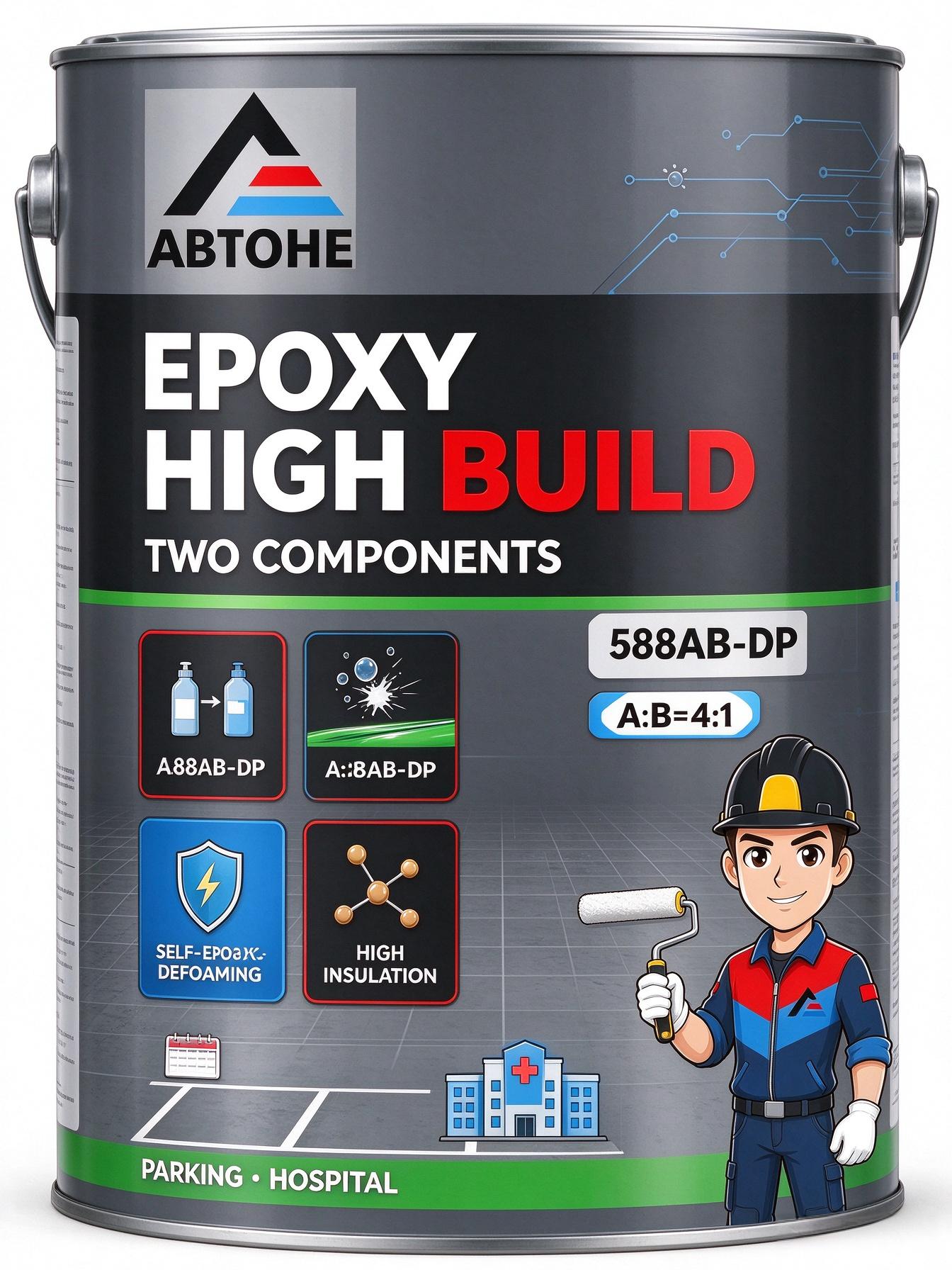
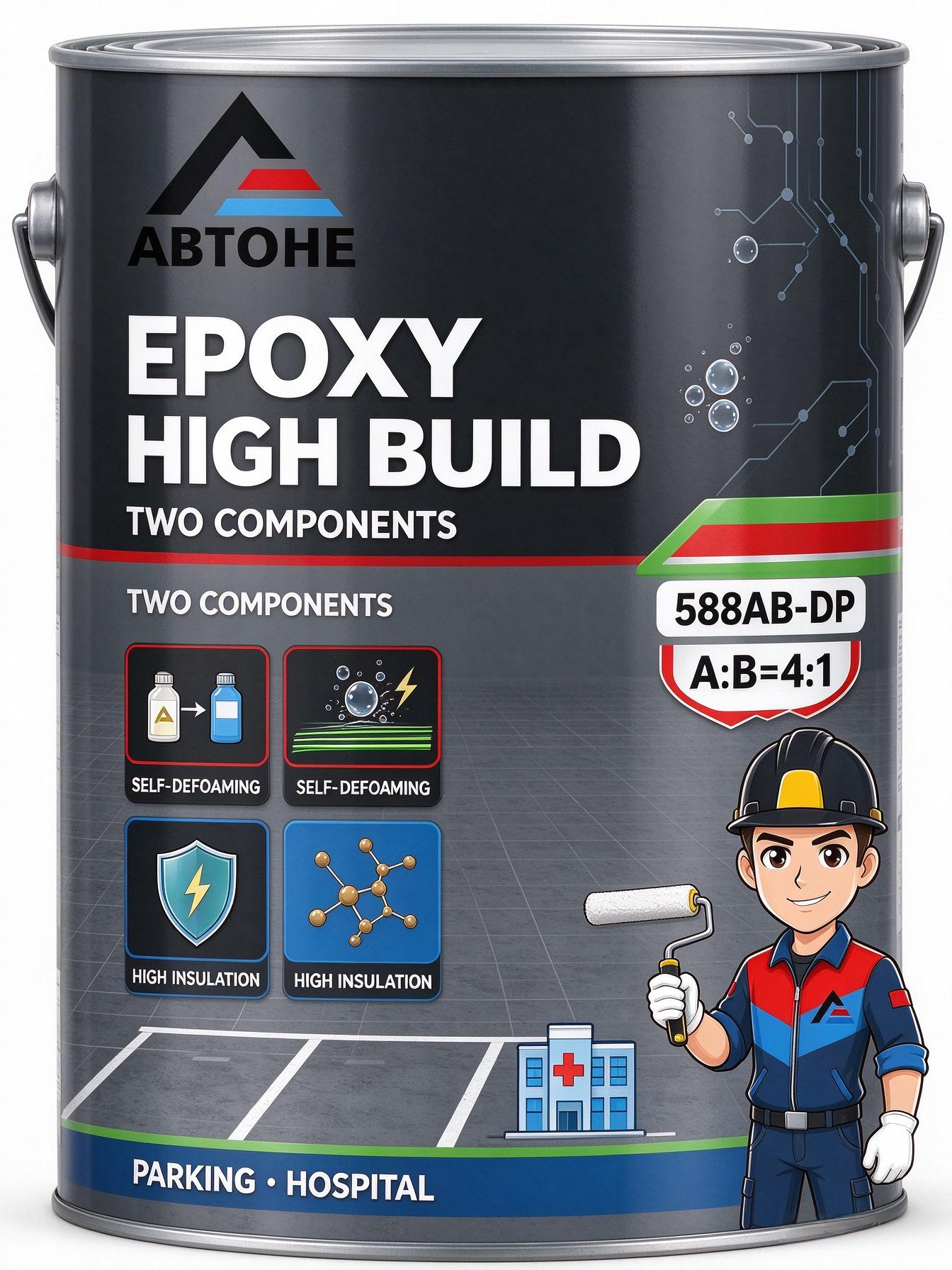
ABTOHE, a Guangdong-based manufacturer with a 30-to-50-worker factory and a portfolio spanning construction, medical, aerospace, automotive, new energy, home appliances, electronics, marine, and transportation applications, has developed an epoxy floor coating engineered for exactly this challenge. The product—a double-component adhesive system with a 1:1 volume ratio of Part A and Part B—is formulated for indoor and outdoor cement grounds, factory workshops, warehouses, manufacturing areas, laboratories, clean rooms, and underground car parks. It is wear-resistant, non-slip, self-leveling, chemical-resistant, and available in a wide range of customizable colors and functional formulations. It is not simply floor paint. It is a long-term asset that protects the substrate, supports operations, and reduces the total cost of ownership.
The Chemistry of Permanence: Two Components, One Bond
The foundation of any high-performance epoxy floor is its chemistry. The ABTOHE product is a two-component system, supplied as Part A resin and Part B hardener in a 1:1 volume ratio. When mixed, the components react chemically to form a tightly cross-linked thermoset film that bonds firmly to concrete substrates. Unlike single-component paints that rely on solvent evaporation, two-component epoxies cure through an irreversible chemical reaction, achieving mechanical and chemical properties that conventional coatings cannot match.
The practical implications are significant. The coating bonds firmly to properly prepared concrete, reducing the risk of peeling, delamination, and the callbacks that plague contractors and frustrate facility managers. It can also be applied to cement mortar and metal substrates, extending its usefulness beyond concrete floors to structural steel, equipment bases, and mixed-material surfaces. The cured film is hard, dense, and resistant to abrasion, impact, and chemical attack—properties that are essential in environments where forklifts, lorries, pallets, and heavy machinery are constant presences.
The product is identified by CAS No. 24969-06-0 and EINECS No. 231-072-3, with a molecular formula of C15H16O2C2H7ONC3H5OCl. It carries CE, REACH, ROHS, and ISO9001 certifications—credentials that matter to specifiers, contractors, and facility managers who need to verify compliance and quality. The shelf life of 12 months and the quality guarantee reflect confidence in the stability and consistency of the formulation. And the availability of OEM and ODM customization services allows distributors and specifiers to adapt the product to local market requirements, private labeling, and project-specific performance needs.
Wear Resistance: The Battle Against Constant Traffic
The wear resistance of an industrial floor is tested every hour of every day. Forklifts travel thousands of kilometers per year. Pallets are dragged, dropped, and stacked. Cleaning machines scrub and squeegee. Heavy objects fall. The floor absorbs all of it, and a coating that cannot withstand this abuse will show visible wear within months—polished paths where the finish has been abraded, deep scratches, and eventually exposed substrate that dusts and deteriorates.
The ABTOHE epoxy floor coating is engineered for wear resistance. Its high hardness allows it to be applied as a thin coating for light-duty applications or as a mortar or self-leveling system for heavy-duty applications. This flexibility means the same product platform can be specified for different levels of traffic and abuse, from a light-duty laboratory to a heavy-duty warehouse or underground car park. The coating withstands the weight of forklift trucks and lorries, as well as impacts from heavy objects, ensuring that the floor remains intact and functional even in the most demanding environments.
For facility managers, this wear resistance translates directly into cost savings. A floor that does not need to be recoated every few years is a floor that protects the capital budget. A floor that maintains its appearance without frequent deep cleaning is a floor that reduces labor costs. And a floor that remains intact and seamless is a floor that continues to support hygiene, safety, and operational efficiency throughout its service life.
Seamless Hygiene: Dust-Proof, Cleanable, and Contamination-Free
Dust is the silent enemy of industrial environments. Concrete floors dust naturally as they age, releasing fine particles that settle on equipment, contaminate products, and compromise cleanroom classifications. In food and pharmaceutical production facilities, dust is a compliance issue. In electronics manufacturing, it is a yield killer. In laboratories, it is a contamination risk. And in any environment, it is a maintenance burden that never ends.
The ABTOHE epoxy coating eliminates this problem. Once cured, it forms a seamless surface that seals the cement substrate, preventing sanding and dusting. The dense, non-porous film does not harbor dirt, making it suitable for cleanrooms, food and pharmaceutical production facilities, and any environment where hygiene and contamination control are important. The seamless construction also facilitates disinfection and cleaning—there are no grout lines to scrub, no seams to harbor bacteria, and no porous pockets where soil and moisture can settle.
The chemical and oil resistance of the coating adds another layer of hygiene performance. The dense structure prevents oil and water penetration, making it suitable for machining workshops, laboratories, and chemical processing plants. It resists engine oil, lubricants, weak acids and alkalis, and splashes of cleaning agents—chemicals that would degrade lesser coatings and compromise the integrity of the floor. For facilities that handle food, pharmaceuticals, or sensitive electronics, this resistance is not a convenience; it is a requirement.
Safety: Non-Slip, Impact-Resistant, and Built for the Real World
Industrial floors must be safe. Slip and fall accidents are among the most common causes of workplace injury, and a floor that becomes slippery when wet or oily is a liability that no facility can afford. The ABTOHE epoxy coating offers anti-slip performance, ensuring reliable traction even in environments where moisture, oil, and debris are present. The textured surface—whether achieved through the standard formulation or through a customized anti-slip variant—maintains its performance over time, reducing the risk of accidents and supporting a safer working environment.
Impact resistance is equally important. Industrial environments are full of heavy objects, moving equipment, and accidental drops. A floor that cracks under impact not only looks bad but also becomes a point of water intrusion, chemical penetration, and further deterioration. The ABTOHE coating is formulated for impact resistance, absorbing the energy of dropped tools, fallen pallets, and equipment impacts without fracturing or delaminating. This protects the substrate, maintains the integrity of the floor, and reduces the need for repairs.
The self-leveling property contributes to both safety and aesthetics. The material flows under its own weight, filling minor irregularities and creating a smooth, even surface without the need for extensive manual leveling. This reduces tripping hazards, simplifies cleaning, and ensures a consistent finish that looks professional and well-maintained.
Aesthetics and Customization: From Gray Warehouse to Branded Showpiece
Industrial floors do not have to be ugly. The ABTOHE epoxy coating is available in high-gloss self-leveling mirror finishes or matt flat finishes, with colors including gray, green, blue, and yellow. These colors facilitate line marking for zoning and passageway signage, resulting in an attractive and orderly appearance that supports safety, wayfinding, and operational efficiency.
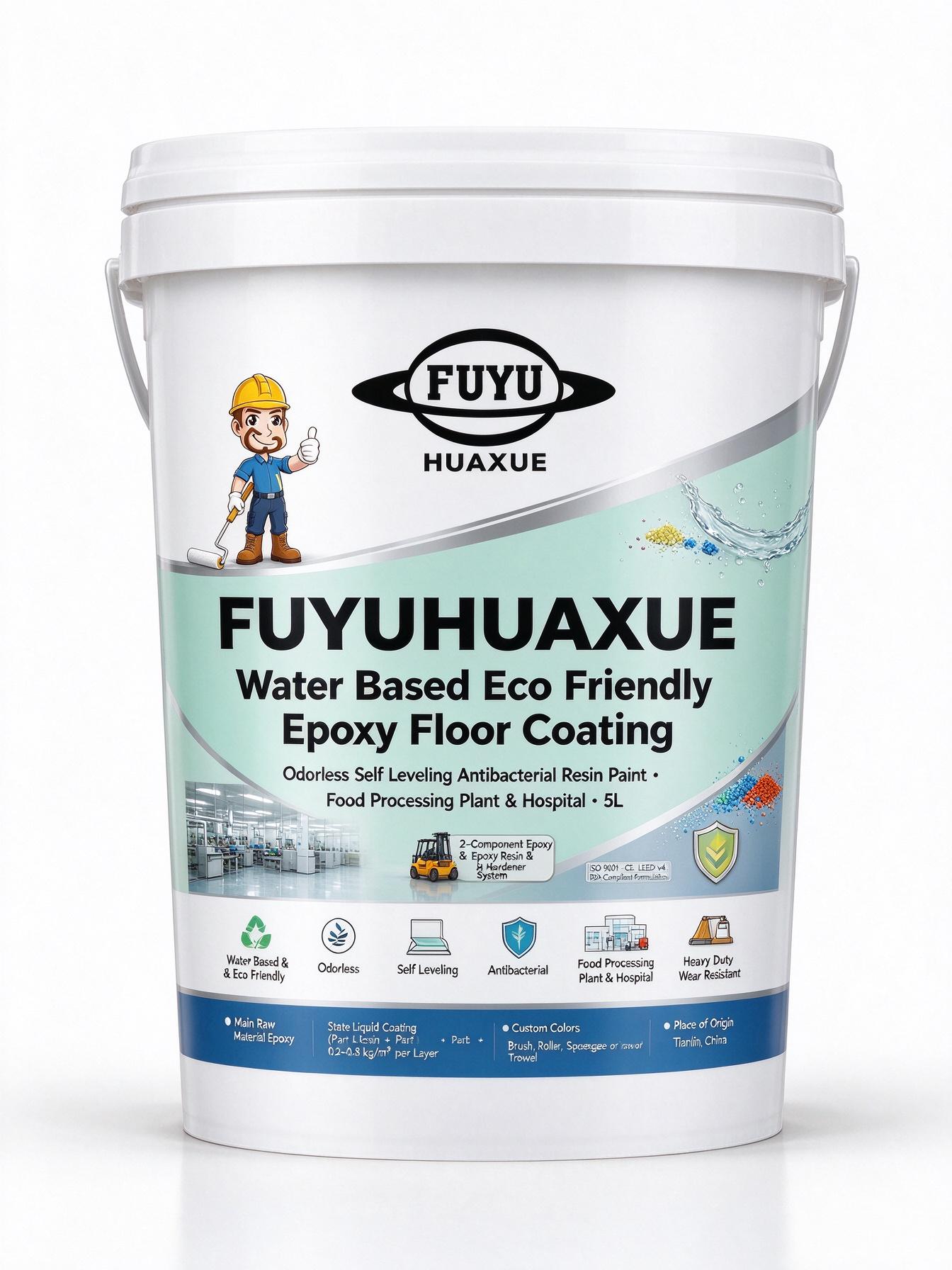
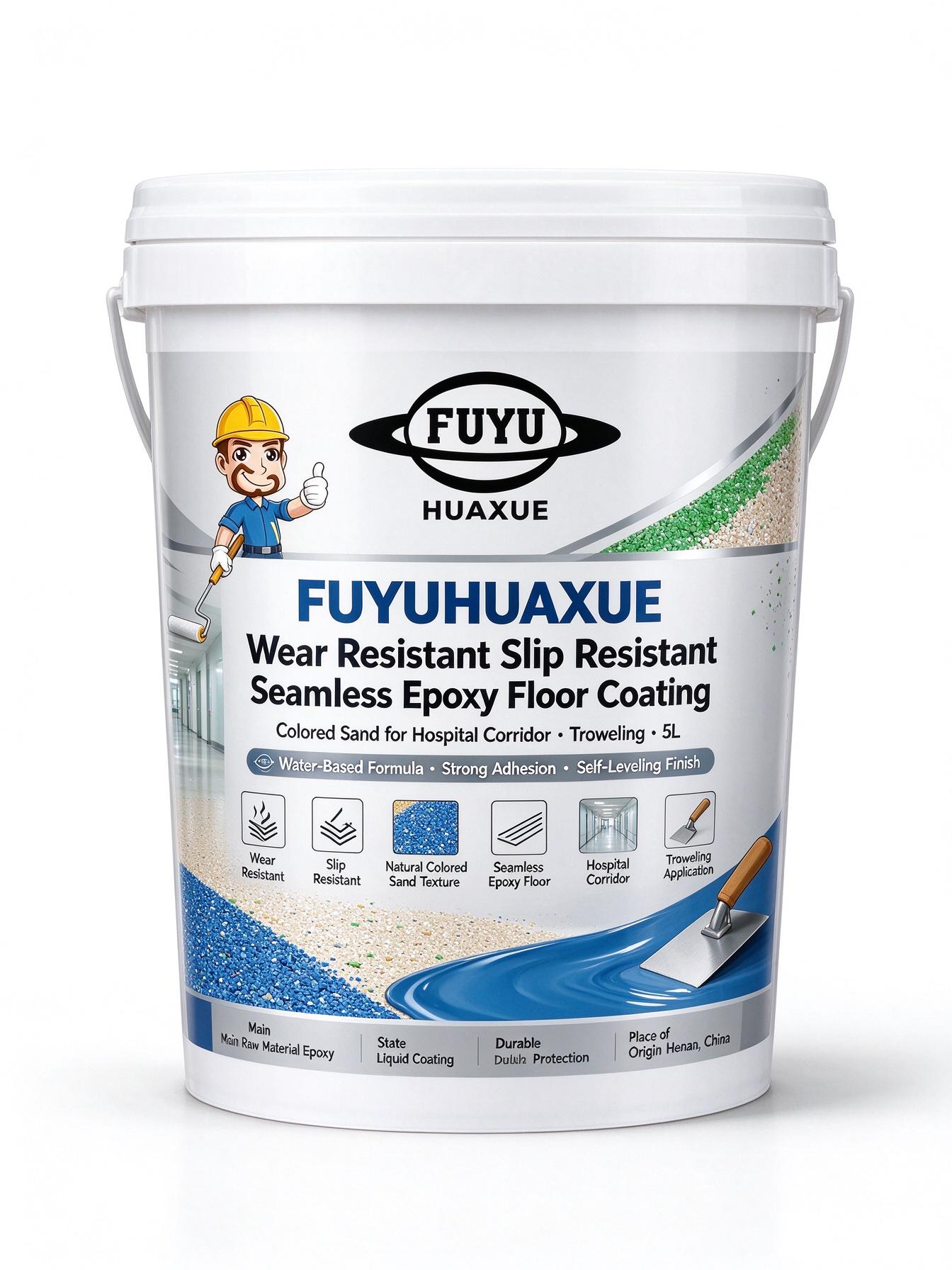
The customization options extend far beyond color. The product can be formulated as anti-static epoxy for electronics manufacturing and explosive environments, colored sand epoxy for decorative and high-end applications, anti-slip epoxy for wet or oily areas, water-based epoxy for low-VOC and low-odor requirements, or solvent-free epoxy for environmentally sensitive projects. This flexibility allows a single product platform to serve an extraordinarily wide range of industries and applications—from aerospace and automotive to medical, marine, and home appliances.
For facility managers, this customization means that the floor can be tailored to the specific requirements of the space. A cleanroom can have an anti-static, seamless, easy-to-clean floor. A warehouse can have a durable, anti-slip, high-visibility floor. A showroom can have a high-gloss, colored, decorative floor. And a food processing plant can have a chemical-resistant, hygienic, seamless floor. In every case, the underlying chemistry is the same; only the formulation is adjusted.
Simple Maintenance and Long-Term Value
The final advantage of the ABTOHE epoxy floor coating is its simplicity of maintenance. Routine cleaning involves mopping with clean water and a neutral detergent—no waxing, no stripping, no burnishing, and no specialized equipment. Localized damage can be repaired, extending the service life of the floor and avoiding the cost and disruption of full replacement. For facility managers, this simplicity translates into lower labor costs, reduced chemical use, and more predictable maintenance budgets.
The 12-month shelf life and quality guarantee provide confidence in the product’s stability and performance. The availability of OEM and ODM services, low MOQ, and support for small businesses through overseas warehouses and offices makes the product accessible to distributors, contractors, and facility managers of all sizes. And the 30-to-50-worker factory, combined with imported raw materials and a one-stop service model, ensures consistent quality and reliable supply.
The Bottom Line: A Floor That Works as Hard as the Business It Supports
The ABTOHE epoxy synthetic resin floor paint is not simply a coating. It is a long-term asset that protects the substrate, supports operations, reduces maintenance costs, and enhances the appearance and safety of the facility. Its two-component chemistry ensures strong adhesion and durability. Its wear resistance withstands the demands of forklifts, lorries, and heavy machinery. Its seamless, dust-proof surface supports hygiene and contamination control. Its chemical and oil resistance protects against the spills and splashes of industrial life. Its anti-slip and impact-resistant properties support workplace safety. And its customization options allow it to be tailored to the specific needs of any industry or environment.
For factory owners, warehouse managers, facility directors, and contractors, the appeal is straightforward: a floor that performs under pressure, applies with confidence, and delivers value over years of service. In a market where flooring decisions are too often a compromise between performance, safety, and cost, the ABTOHE epoxy floor coating is a rare thing—a product that refuses to choose. It is, in every sense, a floor that pays for itself. And in the industrial spaces where modern commerce happens—the factories where we build, the warehouses where we store, and the laboratories where we discover—that is exactly the kind of foundation the world needs.