

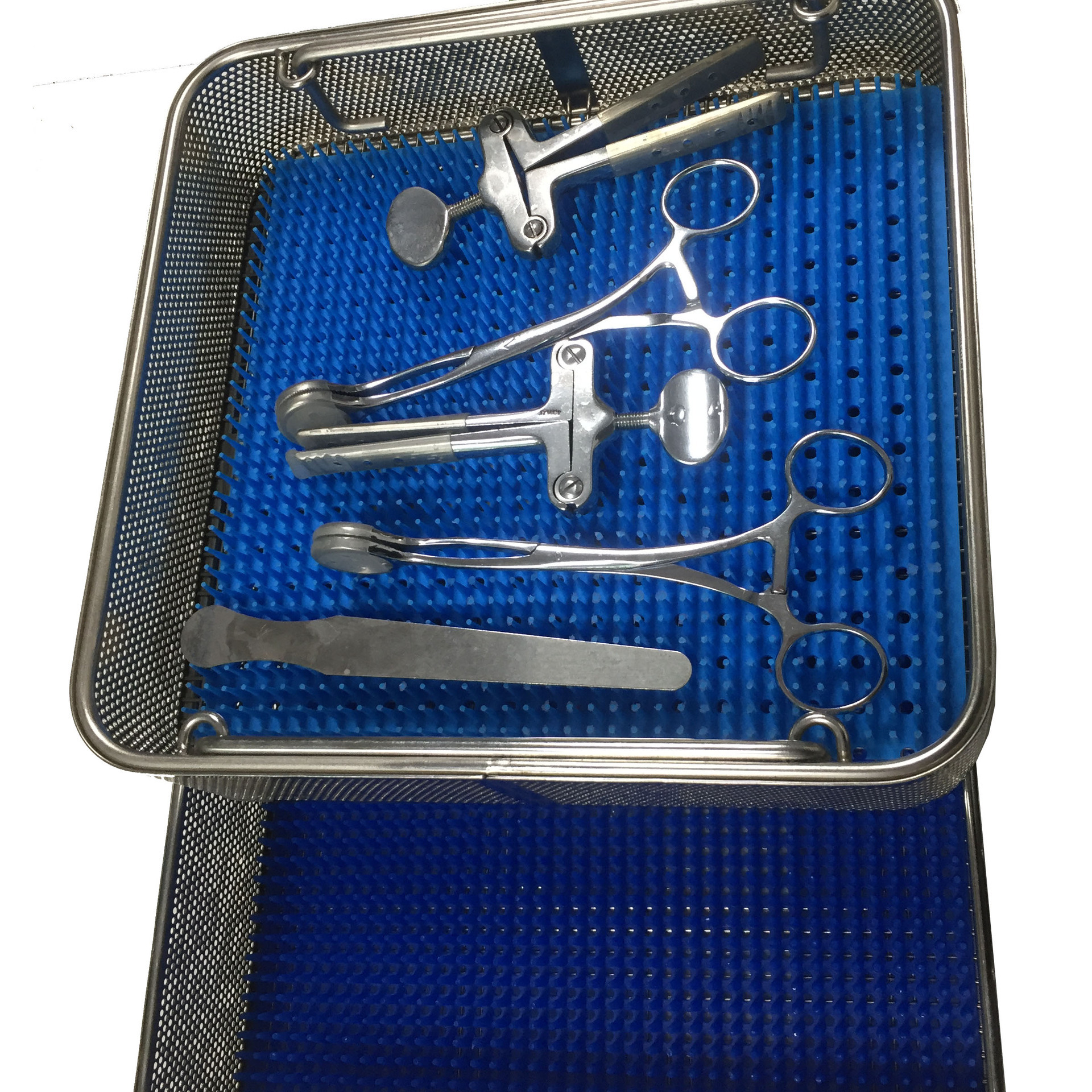
In the sterile environment of an operating room, every detail matters. The glint of a perfectly polished retractor, the precise alignment of a scalpel blade, the reassuring weight of a clamp in a surgeon’s hand—these instruments are the tangible extensions of medical skill and expertise. Yet between the moment an instrument is used and the moment it is ready for its next patient, a critical journey unfolds. This journey through decontamination, sterilization, and storage is fraught with hidden dangers: mechanical stress from jostling against hard surfaces, moisture entrapment that compromises sterility, and the extreme temperatures of autoclaves that test the limits of materials.
For Central Sterile Supply Departments (CSSD), operating room managers, and infection prevention specialists, protecting valuable surgical instruments during this journey is not merely a matter of asset management—it is a fundamental component of patient safety. A damaged instrument can fail at a critical moment. An improperly sterilized instrument can introduce infection. The margin for error is zero.
Enter the [silic0ne] High-Temperature Resistant Silicone Sterilization Mat —an unsung hero of the sterile processing department. Manufactured in Dongguan, China, from premium medical-grade silicone, this square mat is specifically engineered to line surgical instrument baskets, sterilization trays, and disinfectant containers. It cushions delicate instruments, organizes tools for efficient processing, and withstands the harshest sterilization environments. In the high-stakes world of surgical care, it is the silent guardian that ensures instruments emerge from every cycle protected, positioned, and ready for the next life-saving procedure.
The Hidden Perils of Sterilization
To appreciate the value of a properly designed sterilization mat, one must first understand the challenges that surgical instruments face during processing.
Mechanical Trauma
In a busy sterile processing department, instrument baskets are handled repeatedly—loaded into washers, transferred to autoclaves, moved to storage areas. Without adequate cushioning, instruments slide against each other and against the hard surfaces of metal or plastic baskets. The consequences include:
- Edge Damage: Delicate cutting edges become dull or nicked
- Surface Scratching: Protective coatings can be compromised, leading to corrosion
- Misalignment: Fine tips and prongs can be bent out of configuration
- Breakage: Fragile instruments may fracture under impact
Moisture Management
Effective sterilization requires that all instrument surfaces be exposed to steam or sterilant gases. When instruments rest directly on flat tray surfaces, moisture can pool beneath them, creating barriers to penetration and leaving areas unsterilized. Additionally, residual moisture after cycles promotes corrosion and provides a medium for bacterial growth.
Temperature Extremes
Sterilization processes subject instruments and their containers to punishing conditions:
- Steam Autoclaves: Temperatures reaching 134°C (273°F) under pressure
- Dry Heat Ovens: Temperatures up to 180°C (356°F) or higher
- Flash Cycles: Rapid temperature changes that stress materials
- Vacuum Phases: Pressure variations that can trap moisture
Chemical Exposure
Beyond heat, instruments encounter aggressive chemicals:
- Detergents and enzymatic cleaners
- Neutralizing agents
- Sterilants including hydrogen peroxide plasma, ethylene oxide, and peracetic acid
Materials used in sterilization accessories must resist all these challenges while maintaining their protective properties through hundreds of cycles.
The [silic0ne] Solution: Engineered for the Sterilization Environment
Our High-Temperature Resistant Silicone Sterilization Mat is specifically designed to address the unique demands of surgical instrument processing.
Premium Material Selection
The mat is manufactured from medical-grade silicone, a material choice validated by decades of use in healthcare applications. Key properties include:
- Exceptional Temperature Resistance: Withstands repeated exposure to steam autoclave temperatures up to 250°C (482°F) and low-temperature processes down to -40°C
- Chemical Inertness: Resists degradation from detergents, sterilants, and disinfectants
- Non-Stick Surface: Prevents instrument adhesion and facilitates cleaning
- Flexibility: Conforms to tray contours while maintaining structural integrity
- Durability: Engineered for hundreds of sterilization cycles
Optimal Thickness and Cushioning
The mat’s carefully calibrated thickness provides:
- Shock Absorption: Protects instruments from impact during handling and transport
- Pressure Distribution: Spreads weight evenly across the tray surface
- Instrument Isolation: Prevents metal-to-metal contact between instruments and between instruments and trays
Design Features That Matter

Beyond basic material properties, our sterilization mat incorporates thoughtful design elements that enhance performance in clinical settings.
Perforated Surface for Superior Sterilization
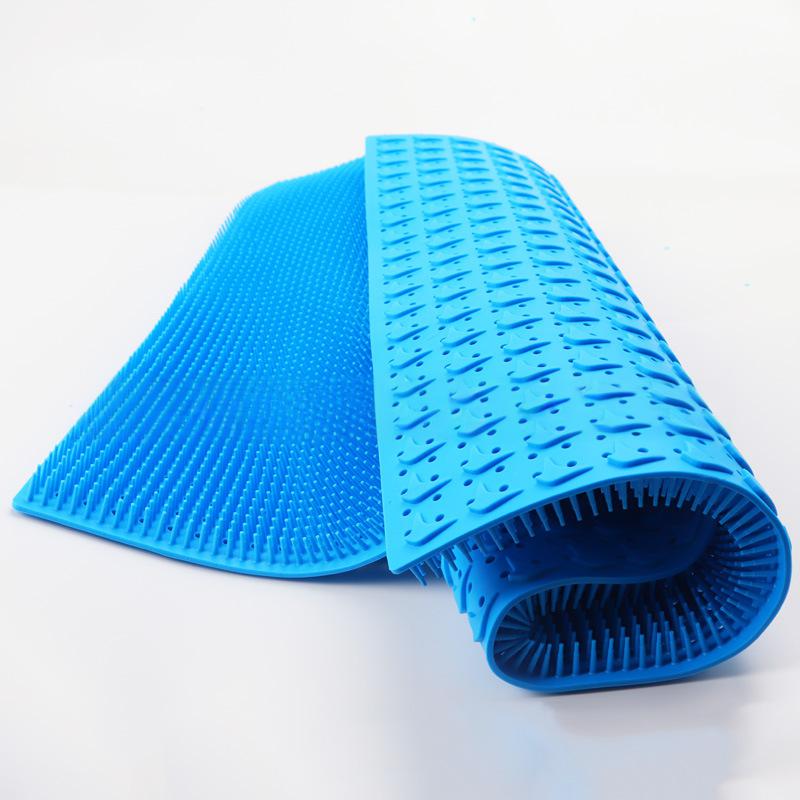
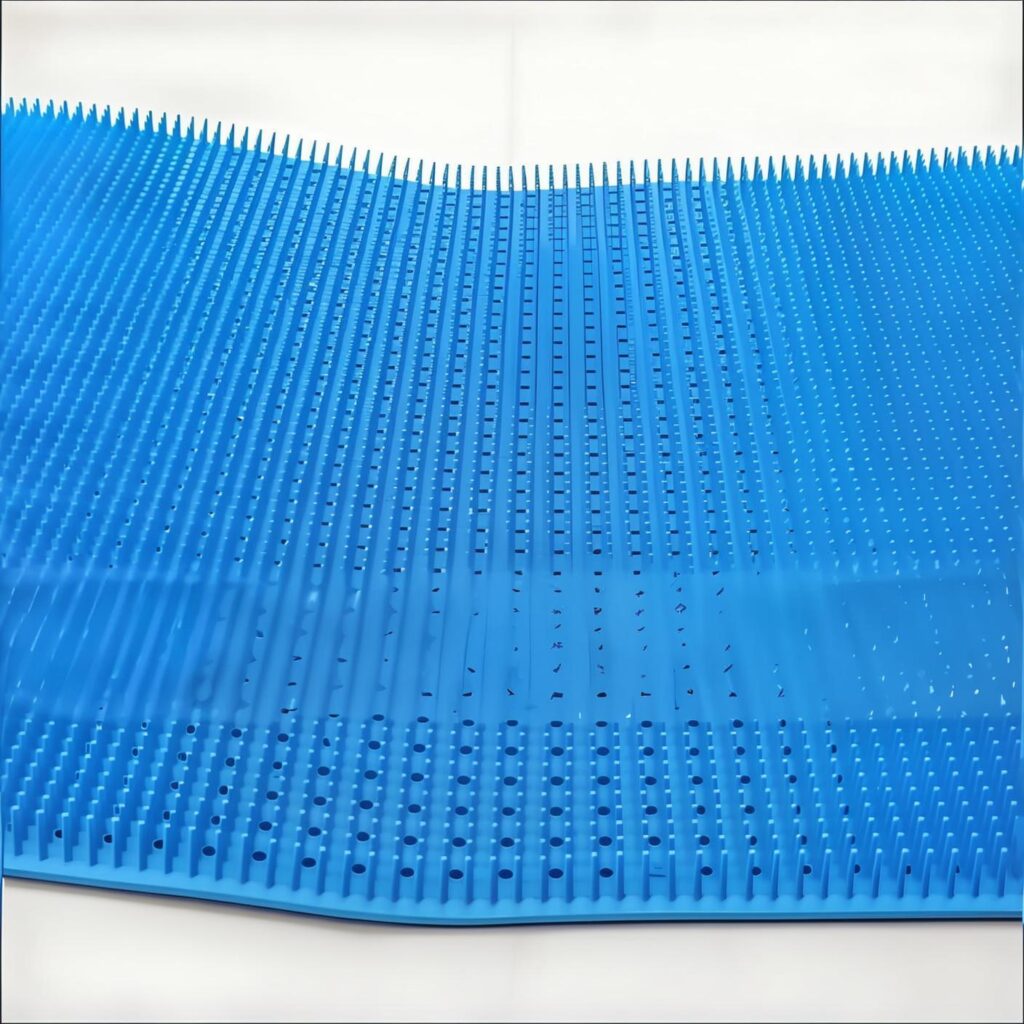
The mat features a 筛孔式设计 (perforated design) that serves multiple critical functions:
- Facilitates Drainage: Water and cleaning solutions flow freely through the mat, preventing pooling
- Enhances Steam Penetration: Sterilant reaches all instrument surfaces, including those in contact with the mat
- Promotes Drying: Air circulates beneath instruments, reducing residual moisture
- Prevents Mat Adhesion: Perforations prevent the mat from sticking to the tray surface during cycles
Elevated Nub Structure
Many of our mat configurations incorporate raised “nubs” or spikes on the surface. This design provides:
- Instrument Elevation: Holds instruments slightly above the mat surface for complete steam envelopment
- Position Stability: Keeps instruments from shifting during transport and processing
- Moisture Reduction: Minimizes contact area to reduce moisture collection
Independent laboratory tests have demonstrated that the space between properly designed silicone mats and tray surfaces is effectively penetrated during steam sterilization cycles, with biological and physical challenges confirming complete sterilization of all surfaces.
Non-Slip Surface
The mat’s texture provides secure instrument positioning:
- Prevents sliding during transport
- Maintains organized instrument sets
- Reduces risk of instruments falling into each other
Easy-Cleaning Properties
Silicone’s non-porous surface:
- Resists absorption of blood, tissue, and bioburden
- Releases soils easily during washing
- Dries quickly without harboring moisture
- Maintains hygiene through repeated use
Applications Across the Surgical Continuum

The [silic0ne] Sterilization Mat serves diverse applications throughout healthcare facilities.
Surgical Instrument Trays
The primary application is lining sterilization trays and instrument baskets. Benefits include:
- Organization of instrument sets for efficient processing
- Protection of delicate instruments during handling
- Consistent positioning for reliable sterilization
- Extended instrument life through reduced mechanical stress
Procedure-Specific Customization
Different surgical specialties have unique requirements:
| Specialty | Application | Key Benefit |
|---|---|---|
| General Surgery | Laparoscopic instrument sets | Protects delicate optics and shafts |
| Orthopedics | Heavy instrument sets | Cushions impact during handling of heavy tools |
| Ophthalmology | Microsurgical instruments | Prevents damage to ultra-fine tips |
| Dentistry | Handpiece and bur organization | Maintains position of small, valuable instruments |
| Cardiovascular | Delicate vascular instruments | Protects precision clamps and forceps |
Transport and Storage
Beyond sterilization cycles, the mat provides protection during:
- Transport between departments
- Storage in sterile storage areas
- Transfer to operating rooms
- Return to sterile processing
Custom Configurations
Our manufacturing flexibility allows for customized solutions:
- Cut-to-size options for non-standard containers
- Multiple thicknesses for varying cushioning needs
- Color options for department or instrument set identification
The Science of Silicone in Sterilization

The choice of silicone for sterilization applications is supported by extensive research and clinical experience.
Thermal Stability
Silicone elastomers maintain their mechanical properties across a remarkable temperature range. Unlike many organic polymers that degrade at high temperatures, silicone’s silicon-oxygen backbone provides exceptional thermal stability. This means:
- No melting or deformation at autoclave temperatures
- Consistent cushioning properties cycle after cycle
- No release of volatile compounds during heating
Chemical Resistance
Silicone’s inorganic backbone makes it resistant to:
- Hydrolysis from steam exposure
- Oxidation from sterilants
- Degradation from detergents and enzymes
- Swelling from chemical exposure
Non-Reactive Surface
Medical-grade silicone is physiologically inert:
- Contains no latex or allergenic proteins
- No plasticizers that can leach out
- No phthalates or endocrine disruptors
- Safe for contact with instruments that will contact human tissue
Long-Term Durability
The combination of thermal stability and chemical resistance means that properly manufactured silicone mats withstand hundreds of sterilization cycles. This durability transforms the mat from a consumable supply into a long-term capital investment.
The Export Advantage: Quality for Global Healthcare

As a manufacturer based in Dongguan, China, we serve the international healthcare community with products designed for global distribution.
Medical-Grade Manufacturing Standards
Our silicone sterilization mats are manufactured with the rigor expected of medical accessories:
- Material Traceability: Every batch of silicone can be traced to its source
- Process Validation: Manufacturing processes ensure consistent quality
- Dimensional Accuracy: Mats meet specified measurements within tight tolerances
- Quality Control: Visual and functional inspection before packaging
International Compliance
Our products are designed to meet global regulatory requirements:
- RoHS Compliance: Free from restricted hazardous substances
- FDA Compliance: Materials suitable for medical applications
- LFGB Certification: Food-grade safety standards
- ISO 10993 Biocompatibility: Safe for contact with medical devices
Proven Export Experience
We maintain an established track record of exporting to medical markets worldwide, including Europe, North America, and other regulated regions. Our experience ensures that documentation, packaging, and quality systems meet the expectations of international distributors and healthcare facilities.
Customization Capabilities
We recognize that different markets and facilities have unique requirements:
- Size Variations: Custom dimensions to fit specific trays and containers
- Thickness Options: Different cushioning levels for various instrument types
- Color Selection: Facility-specific color coding for department or process identification
- Private Labeling: Branding for distributors and healthcare systems
Comparison: Silicone vs. Alternative Materials
| Feature | [silic0ne] Silicone Mat | Paper/Disposable Liners | Foam Pads | Generic Rubber Mats |
|---|---|---|---|---|
| Temperature Resistance | -40°C to 250°C | Limited | Degrades | Variable |
| Cycle Life | Hundreds of cycles | Single use | Limited | Limited |
| Chemical Resistance | Excellent | Poor | Variable | Fair |
| Cushioning | Optimal, calibrated | Minimal | Good initially | Variable |
| Moisture Management | Perforated design | Absorbs moisture | May retain moisture | Variable |
| Instrument Security | Non-slip surface | Poor | Fair | Variable |
| Environmental Impact | Low (reusable) | High (disposable waste) | Moderate | Moderate |
Why Sterilization Mat Quality Matters
In the complex ecosystem of surgical care, it is easy to overlook the humble sterilization mat. Yet this simple accessory plays an outsized role in patient safety and operational efficiency.
Infection Prevention
Proper sterilization requires that every instrument surface be exposed to sterilant. By elevating instruments and allowing free flow of steam and solutions, well-designed silicone mats ensure that sterilization is complete and reliable. This is not a theoretical concern—inadequate sterilization has been linked to healthcare-associated infections with devastating consequences.
Instrument Longevity
Surgical instruments represent a substantial capital investment. A single laparoscopic set can cost tens of thousands of dollars. By cushioning instruments during processing and transport, sterilization mats protect this investment, extending useful life and delaying replacement costs.
Staff Safety
Sharp instruments in processing trays pose laceration risks to sterile processing staff. Organized, stable instrument sets—maintained by non-slip mats—reduce handling hazards.
Operational Efficiency
Well-organized instrument sets process more efficiently. Staff spend less time rearranging jumbled instruments and more time on value-added activities. Standardized mat configurations support consistent workflows and quality outcomes.
Building a Partnership for Global Sterile Processing
At [silic0ne] , we view ourselves not merely as manufacturers but as partners in the global mission to improve surgical safety and sterile processing efficiency. Every product we develop is informed by direct feedback from sterile processing professionals, operating room managers, and infection preventionists.
Support for Distributors
We provide our distribution partners with comprehensive support:
- Technical Documentation: Material specifications, safety data sheets, and compliance files
- Marketing Materials: Product imagery, specification sheets, and application guides
- Regulatory Assistance: Documentation to support international market entry
- Volume Pricing: Attractive terms for bulk orders and long-term partnerships
Custom Manufacturing Expertise
Our core competency is transforming concepts into silicone reality. Whether you need:
- Standard sterilization mats in production volumes
- Custom sizes for specialized containers
- Modified designs for unique applications
- Private labeling for your brand
- Custom packaging solutions
Our experienced team is ready to bring your vision to reality.
The Future of Sterile Processing
As surgical techniques advance and instrument complexity increases, the demands on sterile processing will only grow. Robotic surgery instruments, powered devices, and increasingly delicate tools require ever-greater protection during processing. Simultaneously, evolving regulatory standards demand documented validation of sterilization processes.
The [silic0ne] High-Temperature Resistant Silicone Sterilization Mat is designed to meet these evolving demands. By combining premium medical-grade materials, thoughtful design features, and robust manufacturing quality, we offer sterile processing departments a tool that supports both current needs and future challenges.
For the central sterile processing technician organizing a complex instrument set, for the operating room manager concerned about instrument damage, for the infection preventionist validating sterilization protocols—this mat delivers the performance, reliability, and peace of mind that modern healthcare demands.
Conclusion
In the journey of a surgical instrument from patient to patient, countless factors influence safety and outcomes. The sterilization process is among the most critical, and the tools that support that process deserve careful consideration.
The [silic0ne] brand stands for quality, durability, and global readiness. Our High-Temperature Resistant Silicone Sterilization Mat, with its premium medical-grade construction, perforated design for optimal sterilization, and proven export experience, offers distributors and healthcare facilities a product that meets the rigorous demands of modern sterile processing.
Whether you supply hospital central supply departments in Europe, surgical centers in North America, or dental clinics across Asia, this mat delivers the performance your customers demand and the compliance your business requires.
Protecting instruments, enhancing sterilization, supporting patient safety. Contact [silic0ne] today to discuss wholesale partnerships, custom size options, and how our manufacturing expertise can support your success in the global market for sterile processing accessories. Volume discounts available for qualified partners.
Contact me for custom procurement.:silicone@silic0ne.com