

In the landscape of personal protective equipment, few interfaces are as intimate or as critical as the seal between a face mask and the human face. Whether in sterile operating rooms, contaminated industrial environments, or during public health emergencies, the performance of respiratory protection devices can mean the difference between safety and exposure, between clean air and contamination, between life and death.
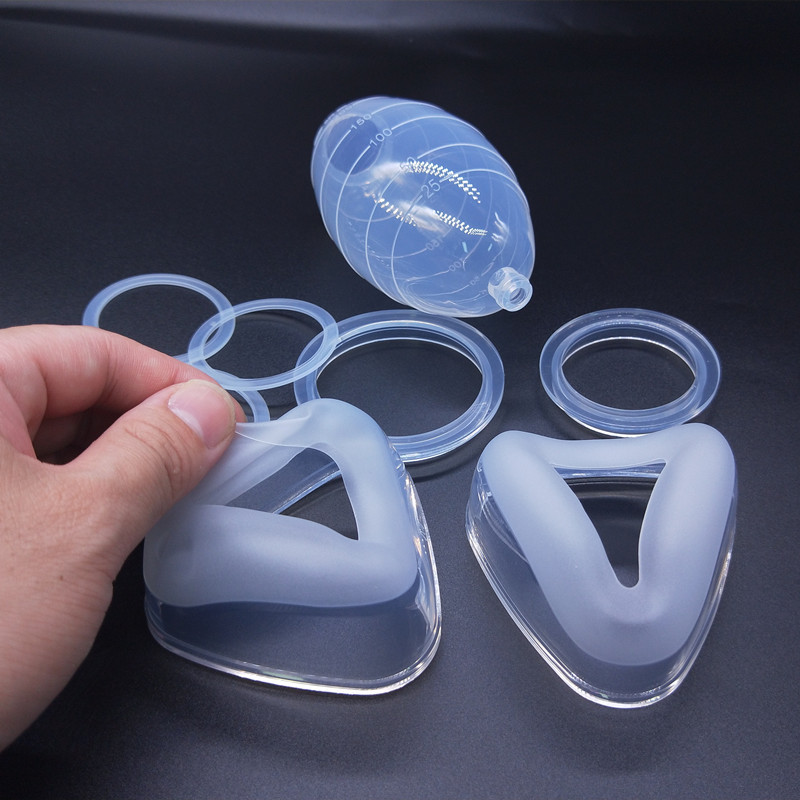
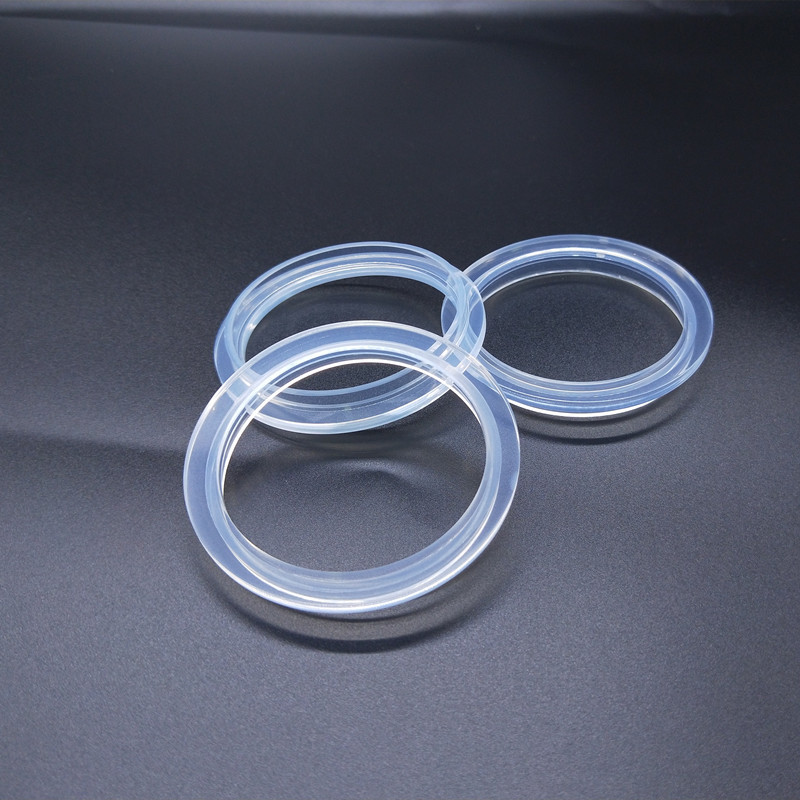
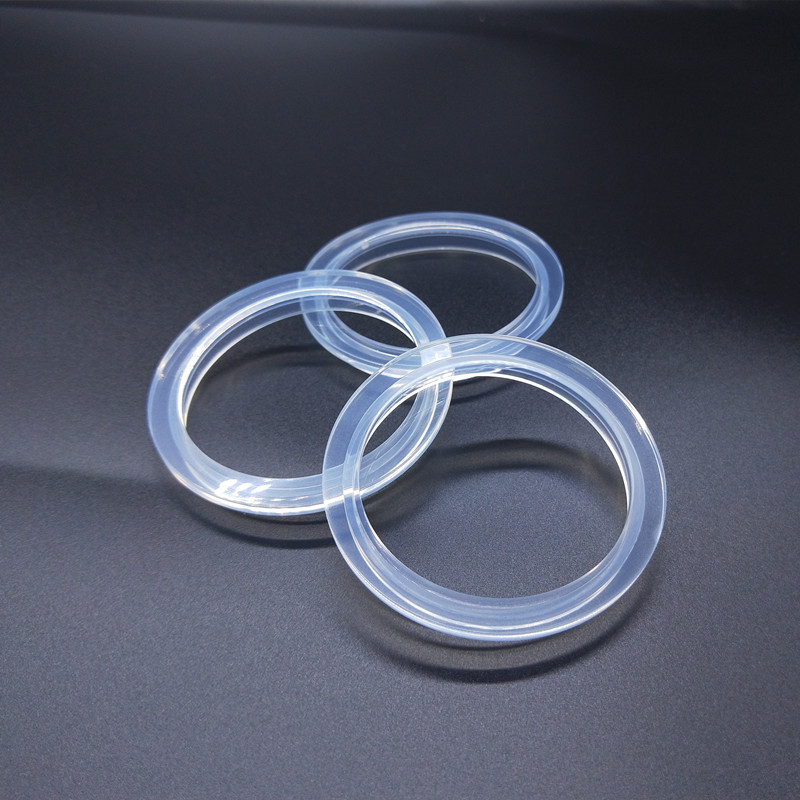
Behind every effective face mask lies an engineering marvel often invisible to the wearer: the liquid silicone rubber component that creates the critical seal. These custom-molded parts—soft, flexible, and biocompatible—represent the convergence of material science, precision manufacturing, and rigorous quality systems. For manufacturers seeking to produce respiratory protection that meets the highest global standards, the path leads through ISO 13485 certification and partnerships with specialized suppliers like CIODC, a Dongguan-based manufacturer dedicated to custom silicone solutions for medical and safety applications.
The Critical Interface: Why Silicone Matters in Respiratory Protection
The human face is remarkably varied—different sizes, shapes, contours, and features make creating a universal seal one of the most challenging problems in protective equipment design. Yet effective respiratory protection demands precisely that: a perfect seal that accommodates individual anatomy while maintaining comfort during extended wear.
Liquid silicone rubber (LSR) has emerged as the material of choice for this demanding application due to its unique combination of properties:
Biocompatibility and Skin Safety
When a mask contacts the face for hours at a time, material compatibility becomes a medical necessity. Medical-grade silicone elastomers are formulated to meet rigorous biocompatibility standards, including ISO 10993 testing for cytotoxicity, sensitization, and irritation. This means the material will not provoke adverse reactions even with prolonged skin contact—essential for healthcare workers, first responders, and patients who may wear respiratory protection for extended shifts.
Leading material suppliers like DuPont have developed specialized medical-grade LSR series specifically engineered for healthcare applications, meeting USP Class VI requirements and stringent regulatory standards. These materials provide the foundation upon which safe, effective respiratory devices are built.
Durability Across Environments
Respiratory protection devices must perform reliably across extreme conditions. From freezing outdoor temperatures to the heat of sterilized environments, silicone maintains its properties. The material demonstrates remarkable stability, with operating ranges that accommodate both cold storage and repeated autoclave cycles.
As noted in FDA device documentation for silicone face masks, these products are “ideal for anesthesia as they withstand repeated autoclaving,” maintaining integrity through the rigorous sterilization processes required in medical settings. This durability translates to extended product life and cost-effectiveness for healthcare facilities.
Precision Sealing Through Advanced Design
Modern respiratory masks leverage silicone’s unique characteristics to achieve superior seals. Design features include:
- Double sealing flanges that provide improved face-to-mask contact
- Deep chin pockets that ensure proper positioning and comfort
- Hypoallergenic formulations that accommodate sensitive users
The inherent flexibility of liquid silicone allows these complex geometries to be manufactured with precision, creating components that deform appropriately under pressure while maintaining their fundamental shape for consistent performance.
The Quality Foundation: Understanding ISO 13485 Certification
For medical device manufacturers and suppliers, ISO 13485 represents the gold standard for quality management systems. This internationally recognized certification establishes requirements specifically tailored to the medical device industry, ensuring that organizations consistently meet regulatory and customer expectations throughout the product lifecycle.
What ISO 13485 Means
ISO 13485 applies to organizations across the entire medical device spectrum—manufacturers, suppliers, service providers, and distributors. It establishes quality and safety processes from design through production, installation, and servicing.
Unlike general quality standards such as ISO 9001, which focuses on customer satisfaction and continuous improvement, ISO 13485 emphasizes regulatory compliance and risk management to ensure device safety and effectiveness. This regulatory focus makes it the standard of reference for agencies worldwide:
- European Union: ISO 13485 provides the foundation for conformity with EU Medical Device Regulation (MDR 2017/745)
- United States: The FDA has aligned its requirements with ISO 13485, transitioning to the Quality Management System Regulation (QMSR)
- Canada: Health Canada recognizes ISO 13485 through the Medical Device Single Audit Program (MDSAP)
- Japan, Australia, Brazil: These and other nations have integrated ISO 13485 into their regulatory frameworks
The ISO 13485 Advantage for Respiratory Protection
When a silicone component manufacturer operates under ISO 13485 certification, it provides critical assurances to respiratory device producers:
Regulatory Traceability: ISO 13485 requires enhanced documentation with device-specific traceability throughout the supply chain. For face mask manufacturers, this means complete visibility into the materials and processes used in every silicone component—essential information for regulatory submissions and post-market surveillance.
Risk Integration: The standard mandates risk assessment integration throughout all quality management processes, with preventive actions required as inputs to management reviews. This systematic approach to risk management aligns perfectly with the safety-critical nature of respiratory protection.
Process Validation: ISO 13485 requires formal design controls with verification, validation, and transfer procedures. For silicone molding operations, this means rigorous qualification of every manufacturing step, ensuring consistent production of critical sealing surfaces.
Contamination Control: The standard includes specific requirements for personnel health and hygiene, as well as contamination control measures—essential for cleanroom manufacturing environments where respiratory components are produced.
CIODC: Custom Silicone Solutions Under Quality Systems
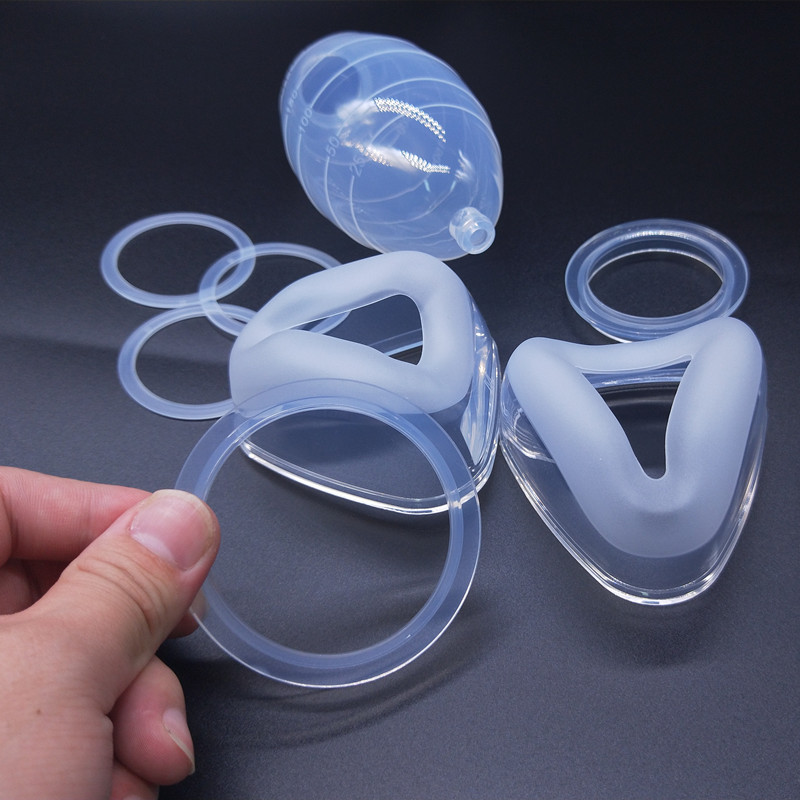
Based in Dongguan, China, CIODC has established itself as a trusted partner for medical device manufacturers requiring custom silicone components. The company’s capabilities encompass the full spectrum of silicone processing, with a particular focus on custom applications for respiratory protection.
Customization Capabilities
Every respiratory device presents unique challenges. Face geometry variations, attachment mechanisms, and integration with other mask components demand tailored solutions. CIODC’s “按需定制” (customization according to needs) philosophy means that manufacturers can specify precisely the geometry, hardness, and performance characteristics required for their applications.
“异形” Expertise
The product attribute “异形” (special-shaped or non-standard form) reflects CIODC’s capability to produce components with complex geometries—the intricate sealing surfaces, integrated valve seats, and multi-durometer structures that characterize advanced respiratory protection. These aren’t simple stamped parts; they are engineered components designed to perform specific functions within larger systems.
Material Excellence
Working with medical-grade silicone elastomers, CIODC produces components that meet the demanding requirements of respiratory applications. The material selection process considers factors including:
- Durometer (hardness) for appropriate compression and sealing force
- Tear strength for durability during repeated use
- Compression set for maintaining seal integrity over time
- Chemical resistance for compatibility with cleaning and disinfection agents
Integration with Customer Quality Systems
For medical device manufacturers operating under their own ISO 13485 systems, supplier quality is a critical concern. CIODC’s alignment with these standards provides confidence that incoming components will meet specifications consistently, reducing the burden of incoming inspection and supporting overall product quality.
Applications: Respiratory Protection Across Environments
The combination of precision silicone molding and ISO 13485 quality systems enables a wide range of respiratory protection applications:
Medical Face Masks
Anesthesia and resuscitation masks represent one of the most demanding applications for silicone components. These devices must create airtight seals while accommodating patient anatomy and allowing clinicians to monitor respiratory status. FDA-registered devices specify that reusable silicone face masks must withstand repeated autoclaving while maintaining their sealing properties.
Full-Face Respirators
Industrial and healthcare respirators that cover the entire face require complex sealing interfaces that contact the forehead, cheeks, and chin. These masks must maintain seals during movement, accommodate protective eyewear, and remain comfortable during extended wear. Commercial products designed with silicone components feature double sealing flanges and deep chin pockets specifically to improve the face-to-mask seal.
The hypoallergenic nature of medical silicone, combined with its resistance to chemicals and ozone, makes it ideal for these demanding applications. Additionally, durable silicone maintains its shape even during storage, ensuring that masks are ready for immediate use when needed.
N95-Style and Particulate Respirators
Even smaller respirators benefit from silicone sealing surfaces. While the filtration media captures particles, the seal prevents unfiltered air from bypassing the filter. Custom-molded silicone gaskets and face-contacting surfaces improve both safety and comfort for these widely used devices.
Powered Air Purifying Respirators (PAPR)
For highest-risk environments, PAPR systems provide enhanced protection through powered filtration and positive pressure. These systems incorporate multiple silicone components: face seals, hose connections, and valve diaphragms—each requiring precision molding and material consistency.
The Manufacturing Advantage: Liquid Silicone Rubber Processing
Liquid silicone rubber offers distinct advantages over traditional high-consistency rubber (HCR) for respiratory applications:
Precision and Consistency
LSR injection molding enables production of components with tight tolerances and complex geometries. The low viscosity of liquid silicone allows it to fill intricate mold cavities completely, reproducing fine details essential for effective seals. This process consistency ensures that every component performs identically—critical for devices where failure is not an option.
Automated Production
LSR processing lends itself to fully automated manufacturing environments, with material delivery systems that precisely meter and mix two-part formulations before injection. This automation reduces human error and supports the validated processes required by ISO 13485.
Design Flexibility
Modern LSR materials offer improved rheology and lower viscosity, enabling faster molding cycles and more complex designs. For respiratory device manufacturers, this means freedom to innovate—creating sealing geometries that were previously impossible to manufacture.
Regulatory Navigation: Supporting Market Access
For medical device manufacturers, bringing respiratory protection to market requires navigating complex regulatory pathways. ISO 13485-certified suppliers like CIODC support these efforts by providing:
Documentation Support
Regulatory submissions require comprehensive documentation of materials, processes, and quality controls. Certified suppliers maintain this documentation and make it available to customers, streamlining the submission process.
Material Traceability
From raw material certification to production batch records, ISO 13485 requires complete traceability. This transparency supports regulatory inquiries and facilitates any necessary investigations or corrective actions.
Design for Compliance
Experienced silicone manufacturers understand the regulatory landscape and can advise customers on design decisions that support compliance. Material selection, processing methods, and quality controls all influence regulatory outcomes, and early collaboration optimizes the path to market.
The CIODC Difference: Quality at Scale
For medical device manufacturers seeking silicone components for respiratory protection, CIODC offers distinct advantages:
ISO 13485-Aligned Quality Systems
While ISO 13485 certification is formally held by medical device manufacturers, component suppliers operating under aligned quality systems provide the foundation for that certification. CIODC’s commitment to quality ensures that incoming components meet the rigorous standards required for medical device production.
Customization Expertise
With “型号按需定制” (models customized according to demand) as a core capability, CIODC works closely with customers to develop components that precisely match application requirements. From initial design through tooling development to production validation, the company partners with manufacturers to optimize outcomes.
Cost-Effective Manufacturing
Based in Dongguan, a global center for precision manufacturing, CIODC combines technical expertise with competitive production economics. This enables medical device manufacturers to achieve quality objectives while managing costs—essential in the competitive respiratory protection market.
Scalable Production
Whether producing prototypes for development or high volumes for commercial launch, CIODC’s manufacturing capabilities scale to meet demand. This flexibility supports customers through every stage of the product lifecycle.
Looking Forward: Innovation in Respiratory Protection
The respiratory protection landscape continues to evolve, driven by emerging threats, advancing technology, and increasing expectations for comfort and performance. Silicone component manufacturers are at the forefront of this evolution:
Conductive Silicones for Smart Devices
Recent innovations include biocompatible, electrically conductive liquid silicone rubbers designed for wearable and diagnostic devices. These materials enable integration of sensors and electronics directly into respiratory protection, opening possibilities for real-time monitoring of seal integrity, wear time, and environmental conditions.
Enhanced Biocompatibility
Continued advancement in material science yields silicones with ever-improving biocompatibility profiles. New formulations undergo rigorous testing against ISO 10993 standards, ensuring safety even for sensitive populations.
Sustainable Solutions
As healthcare systems prioritize sustainability, reusable silicone components offer environmental advantages over disposable alternatives. The durability of silicone, combined with its ability to withstand repeated sterilization, supports circular economy objectives while maintaining performance.
Conclusion: The Foundation of Respiratory Safety
The silicone components that seal respiratory protection devices to the human face represent a triumph of material science and precision manufacturing. Soft enough for comfort yet resilient enough for reliable performance, these custom-molded parts enable the protection that healthcare workers, first responders, and industrial users depend upon.
For manufacturers bringing these essential devices to market, the choice of component supplier carries profound implications. ISO 13485-aligned quality systems, demonstrated expertise in custom silicone molding, and commitment to regulatory compliance distinguish suppliers capable of supporting medical device production at the highest level.
CIODC, with its Dongguan manufacturing base, comprehensive customization capabilities, and dedication to quality, stands ready to partner with respiratory protection manufacturers worldwide. From complex geometries to validated processes, from material selection to scalable production, the company provides the foundation upon which safe, effective respiratory devices are built.
In the critical interface between device and user, between protection and exposure, precision matters. And precision begins with the silicone components that make the seal—custom-engineered, expertly manufactured, and quality-verified at every step.
When respiratory safety is on the line, choose components you can trust. Choose partners who understand the stakes. Choose CIODC for medical-grade silicone that protects what matters most.
Contact me for custom procurement.:silicone@silic0ne.com


