
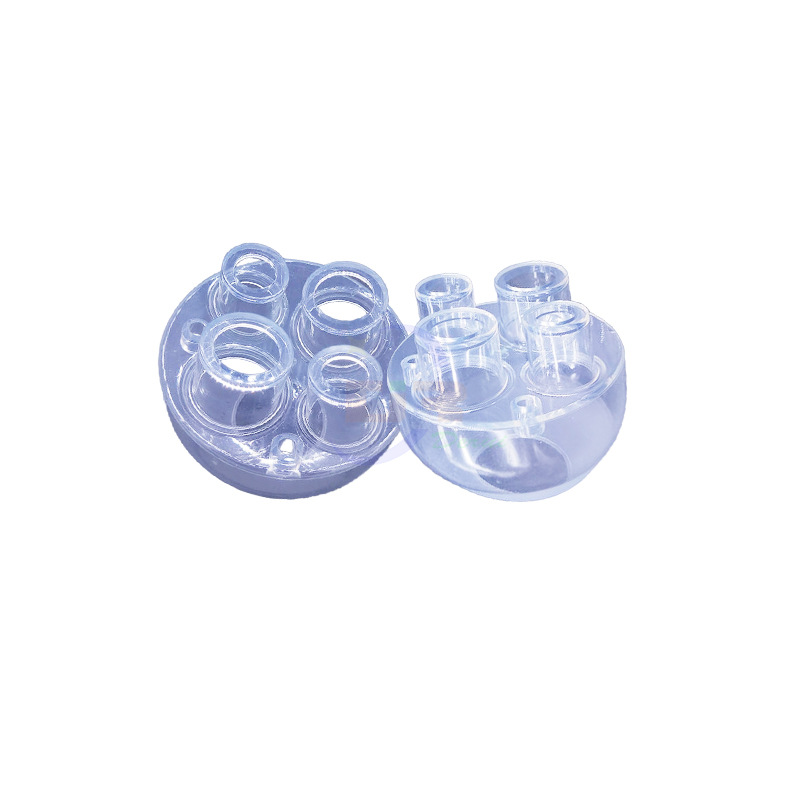
In the sterile, precisely controlled environment of an operating room, a surgeon prepares for a minimally invasive procedure. The patient’s outcome depends not only on the surgeon’s skill but also on the reliability of every instrument at hand. At the center of the surgical field sits a seemingly simple device: a translucent silicone platform perforated with multiple precisely engineered ports. This porous platform—also known as a multi-channel surgical operating platform—serves as the critical interface through which trocars, cameras, and instruments pass, maintaining insufflation, enabling maneuverability, and protecting tissue throughout the procedure.
Such a device exemplifies the extraordinary capabilities of modern liquid silicone rubber (LSR) processing. Its complex geometry, multiple deep cavities, and demanding performance requirements push the boundaries of what is possible in medical component manufacturing. For medical device companies seeking partners capable of transforming ambitious designs into reliable, high-volume production, CIODC stands as a proven authority.
Based in Dongguan, China’s premier manufacturing hub, CIODC specializes in custom liquid silicone components for medical and food-contact applications. With comprehensive in-house capabilities spanning precision mold making, CNC machining, and advanced LSR injection molding, the company delivers porous platforms and other complex medical-grade components that meet the most stringent quality standards.
Understanding the Porous Platform: A Marvel of Medical Engineering
What Is a Liquid Silicone Porous Platform?
A liquid silicone porous platform—often described in medical literature as a “multi-channel surgical operating platform”—is a precision-molded component featuring multiple through-holes or channels designed to accommodate surgical instruments, tubing, or electronic leads. These platforms serve critical functions in:
- Minimally Invasive Surgery: Providing sealed access points for trocars and cameras while maintaining pneumoperitoneum
- Diagnostic Equipment: Serving as multi-port interfaces for fluid handling systems
- Laboratory Instruments: Functioning as microplate wells or filtration supports
- Respiratory Devices: Acting as manifold connectors for multi-lumen tubing
- Wearable Medical Technology: Housing sensors and electrical connections in a biocompatible matrix
The term “porous” in this context refers not to foam-like permeability but to the presence of engineered, precision-formed channels and cavities that create a structured, multi-pathway component.
Why Liquid Silicone?
Manufacturers specify liquid silicone rubber for porous platform applications because of its unique combination of properties:
Biocompatibility and Purity: Medical-grade LSR formulations meet ISO 10993 and USP Class VI requirements, ensuring safety for tissue contact and compatibility with sterilization processes. Platinum-cured systems contain no plasticizers or byproducts that could leach into surgical sites or laboratory samples.
Durability Through Sterilization Cycles: Surgical platforms must withstand repeated sterilization—whether by steam autoclave, ethylene oxide, or gamma irradiation. LSR maintains its mechanical properties through hundreds of cycles without degradation.
Sealing Integrity: The elastic recovery of silicone ensures that instrument ports seal effectively around trocars and catheters, maintaining critical pressure differentials during procedures.
Temperature Stability: With an operating range spanning from cryogenic storage to autoclave temperatures, LSR components perform reliably across all clinical environments.
Chemical Resistance: Exposure to bodily fluids, cleaning agents, and disinfectants does not compromise LSR’s structural integrity.
The Extraordinary Challenge of Porous Platform Manufacturing
While the final product appears straightforward, manufacturing a high-quality liquid silicone porous platform represents one of the most demanding challenges in medical molding. Multiple factors converge to create exceptional complexity.
Complex Geometry and Deep Cavities
Porous platforms typically feature multiple deep holes or cavities—often with high aspect ratios (depth-to-diameter ratios exceeding 5:1 or even 10:1). These deep cavities create significant manufacturing challenges:
Flow Resistance: Liquid silicone must travel to the bottom of each deep cavity, filling intricate details completely. The low viscosity of LSR (typically 1000-10,000 cP, similar to honey or motor oil) aids this process, but proper gate location and flow path design are essential.
Air Entrapment: Deep cavities are prone to “air trap” or “gas entrapment”—pockets of air that cannot escape during filling, resulting in voids or incomplete parts. This phenomenon, known in the industry as 困气 (trapped air), is particularly challenging in multi-hole designs.
Uniform Cure: Thick sections at the base of deep holes must cure completely while thin walls elsewhere avoid overheating. Managing this thermal balance requires sophisticated mold temperature control.
Multiple Inserts and Complex Tooling
To create deep holes or undercuts, mold designers employ inserts—removable tooling components that form internal features. Porous platforms often require numerous inserts, creating additional challenges:
Alignment Precision: Each insert must align perfectly with its counterparts to maintain dimensional accuracy. Misalignment produces flash or dimensional variation.
Venting Requirements: Inserts create potential leak paths for air and material. Proper venting design is critical to prevent flash while allowing trapped air to escape.
Maintenance Complexity: Multi-insert tools require careful maintenance to ensure continued performance over high-volume production runs.
The Vacuum Challenge
Perhaps the most critical requirement for quality porous platform production is vacuum assistance. The deep cavities and complex geometry trap air that cannot escape through conventional venting. Without active vacuum, this trapped air results in:
- Incomplete filling (short shots)
- Surface defects at cavity bottoms
- Internal voids compromising seal integrity
- Weld lines where flow fronts meet around inserts
Industry experts emphasize that “products with deep cavity structures are prone to air trap, requiring higher demands on mold排气 (venting) and vacuum systems”. Achieving complete evacuation of the mold cavity before injection requires sophisticated vacuum systems integrated into the tooling design.
CIODC’s Manufacturing Excellence: Equipment and Expertise
CIODC’s Dongguan facility houses the comprehensive equipment infrastructure necessary to master these challenges [citation:product attributes].
Precision Tooling:磨床, 铣床, CNC精雕机
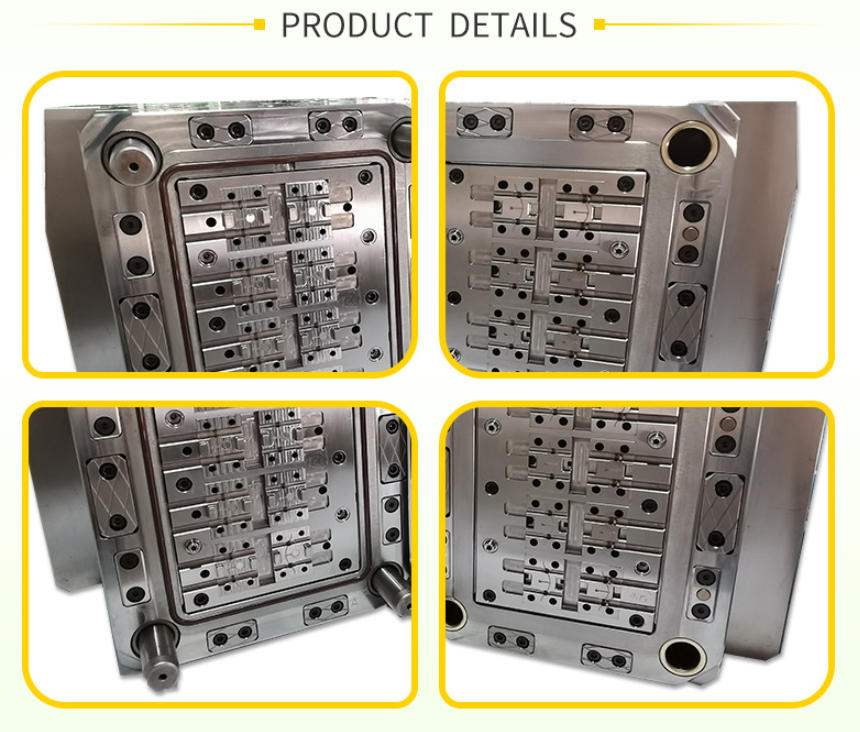
Every exceptional LSR component begins with an exceptional mold. CIODC’s in-house toolroom features:
磨床 (Grinding Machines): Achieving the exacting surface finishes required for medical components. Critical sealing surfaces demand mirror finishes (Ra < 0.2 μm) to ensure smooth part release and prevent contamination.
铣床 (Milling Machines): Creating complex mold geometries with precision. Multi-axis milling capabilities enable the production of intricate cavity details that define channel geometries and sealing surfaces.
CNC精雕机 (CNC Precision Engraving Machines): Delivering micron-level accuracy for critical features. For porous platforms, where hole positions and diameters must be maintained within tight tolerances, CNC precision machining is essential.
This comprehensive tooling capability ensures that molds are produced to exact specifications, with dimensional accuracy verified before production begins. By controlling the entire mold-making process, CIODC maintains quality consistency and accelerates development timelines.
Advanced Molding:液态硅胶注射成型机
CIODC’s production floor features specialized liquid silicone injection molding machines designed specifically for LSR processing [citation:product attributes]:
Precision Metering Systems: Two-component liquid silicone is metered in exact ratio by specialized pumps, with accuracy typically within ±0.5%. This precision ensures consistent material properties across every production run.
Cold Deck Technology: Material is maintained at controlled temperatures in the injection unit to prevent premature curing before entering the heated mold.
High-Pressure Injection: Material is injected into molds heated to optimal curing temperatures (typically 150-200°C), where it flows into every cavity detail before rapid vulcanization.
Automated Demolding: Finished parts are ejected, often by robotic systems that ensure consistent handling and prevent damage to delicate features.
The Critical Vacuum Integration
CIODC’s molding systems incorporate advanced vacuum capabilities essential for porous platform production. By evacuating air from mold cavities before injection, the company eliminates the risk of trapped gas defects. This vacuum integration addresses the specific challenge highlighted in industry literature: “complex deep cavity structures require vacuum systems to properly address air trap issues” -4-8.
Quality Grades: Food-Grade and Medical-Grade Excellence
CIODC’s product等级 (grade) offerings span 食品级,医疗级 (food grade, medical grade), reflecting the company’s versatility in addressing diverse application requirements [citation:product attributes].
Medical-Grade Production
For healthcare applications, medical-grade production encompasses:
- Clean Manufacturing Environments: Production areas maintained to appropriate cleanliness standards, minimizing contamination risk
- Validated Processes: Critical processes undergo formal validation to demonstrate consistent capability
- Material Traceability: Complete documentation linking each component batch to specific material lots and production conditions
- Biocompatible Materials: Medical-grade LSR formulations meeting ISO 10993 and USP Class VI requirements
Food-Grade Capability
The same material purity that suits medical applications also qualifies components for food contact. Food-grade silicone meets:
- FDA 21 CFR 177.2600: Compliance for repeated-use food contact applications
- EU 10/2011: European standards for food contact materials
- GB 4806.11: Chinese national standards for silicone food contact products
This dual capability makes CIODC an ideal partner for companies serving both medical and related markets.
The Customization Pathway: From Concept to Production
CIODC’s core philosophy centers on “来图来样” (drawing and sample-based customization)—producing exactly what each customer requires [citation:product attributes].
Design Collaboration
For customers with concept ideas but incomplete specifications, CIODC’s engineering team provides comprehensive design support:
- Material Selection Guidance: Recommending appropriate LSR formulations based on application requirements, sterilization methods, and performance expectations
- Design for Manufacturability (DFM) Feedback: Optimizing part geometry for injection molding while maintaining functional requirements
- Prototype Development: Creating samples for fit and function testing before full production commitment
- Iterative Refinement: Incorporating test results into design improvements
DFM Considerations for Porous Platforms
Early collaboration is particularly valuable for complex products like porous platforms. Key considerations include:
Wall Thickness Distribution: LSR can achieve wall thicknesses as low as 0.1-0.3 mm, but transitions between thick and thin sections must be managed to ensure uniform cure and prevent defects.
Draft Angles: Even minimal taper facilitates part ejection from deep cavities without damage.
Gate Location: Strategic gate placement ensures complete filling of all cavities while minimizing flow lines and weld lines.
Venting Strategy: Proper venting design prevents trapped air while controlling flash at parting lines and insert interfaces.
Tooling Development
Once designs are finalized, CIODC’s toolroom produces production molds with attention to:
- Gate location optimization for complete filling without flow marks
- Venting design preventing trapped air in deep cavities
- Ejection system engineering for clean part release without distortion
- Cooling channel layout for uniform temperature distribution
- Modular construction facilitating maintenance and repair
Production Scaling
From prototype quantities through high-volume production, CIODC scales to meet demand. The company’s extensive equipment infrastructure supports production at any volume, with the flexibility to accommodate both initial market launches and mature product requirements.
Quality Assurance and Regulatory Support
For medical device manufacturers, supplier quality is non-negotiable. CIODC’s quality practices align with the rigorous standards required for medical component production.
Material Traceability
Every batch of medical-grade silicone carries complete documentation, including:
- Certificate of analysis from material suppliers
- Batch-specific test results
- Storage and handling records
- Expiration date tracking
This traceability extends through production, with each component lot linked to the specific material batch, molding machine, and production shift—essential information for regulatory submissions and post-market surveillance.
In-Process and Final Inspection
Quality control occurs throughout production:
- Dimensional Inspection: Critical features are verified against specifications using precision measurement equipment
- Visual Examination: Parts are inspected for surface defects, contamination, or cosmetic issues
- Functional Testing: Where applicable, components may undergo leak testing, pressure testing, or other performance verification
Documentation Support
CIODC provides the documentation that medical device manufacturers need for regulatory submissions:
- Material certifications and biocompatibility documentation
- Process validation summaries
- Inspection reports
- Lot traceability records
Applications Across Healthcare
CIODC’s custom liquid silicone capabilities serve diverse applications throughout medicine and related fields.
Surgical Platforms
Multi-channel surgical operating platforms represent a flagship application. These components must:
- Maintain seal integrity around multiple instrument ports
- Withstand repeated sterilization without degradation
- Provide tactile feedback to surgeons during instrument manipulation
- Resist tearing or damage from sharp instrument tips
Diagnostic Instrument Components
Beyond surgical applications, porous platform technology serves diagnostic equipment:
- Microplate Wells: Precisely formed wells for assay processing
- Filtration Supports: Structured platforms for membrane-based separations
- Fluid Manifolds: Multi-port connectors for reagent handling systems
Respiratory Interfaces
Components for respiratory care share similar requirements:
- Multi-Lumen Connectors: Precisely channeling airflow through multiple paths
- Humidifier Interfaces: Managing moisture contact without degradation
- Sensor Housings: Protecting electronics while maintaining patient contact
Laboratory Consumables
Research and diagnostic laboratories demand components that:
- Maintain chemical resistance to diverse reagents
- Provide consistent optical properties for analysis
- Enable precise liquid handling without cross-contamination
Innovation at Every Pore
The field of liquid silicone processing continues to advance, and CIODC stays at the forefront of emerging capabilities.
Micro-Structured Features
As medical devices continue to miniaturize, components require increasingly fine features. LSR injection molding can now achieve:
- Hole diameters below 0.1 mm for specialized applications
- Micro-lens arrays for optical components
- Textured surfaces for controlled friction or tissue interaction
Multi-Durometer Components
Advanced molding techniques enable components with varying hardness in different regions:
- Softer sealing surfaces for tissue contact
- Firmer structural regions for stability
- Graduated transitions for optimal performance
Integrated Functionality
Future porous platforms may incorporate:
- Conductive paths for integrated sensing
- Radiopaque fillers for imaging visibility
- Antimicrobial additives for infection control
The CIODC Partnership: Your Custom Solution Partner
Working with CIODC means more than purchasing components—it means accessing a partnership built on technical expertise and responsive service.
Customer Support
- Technical Consultation: Engineering support for design and material decisions
- Sample Provision: Prototype and pre-production samples for testing
- Transparent Communication: Regular updates throughout development and production
- Responsive Problem-Solving: Rapid addressing of any quality or delivery concerns
Supply Chain Reliability
- Capacity Planning: Production scheduling aligned with customer demand
- Inventory Management: Safety stock options for critical components
- Logistics Coordination: Shipping arrangements tailored to customer requirements
Continuous Improvement
CIODC maintains focus on ongoing enhancement of processes, products, and service:
- Regular quality metric review
- Customer feedback integration
- Technology adoption for improved capabilities
- Staff training and development
Conclusion: Precision Where Performance Is Critical
The liquid silicone porous platform exemplifies the extraordinary capabilities of modern medical component manufacturing. Behind its seemingly simple appearance lies a masterpiece of precision engineering—complex geometry mastered, deep cavities flawlessly formed, critical tolerances consistently maintained.
CIODC delivers this precision through comprehensive in-house capabilities, medical-grade material expertise, and unwavering commitment to quality. From initial design consultation through production validation, the company partners with medical device manufacturers to create components that meet the exacting demands of modern healthcare.
For manufacturers seeking suppliers who understand the stakes—who recognize that every channel, every surface, every pore carries responsibility for clinical outcomes—CIODC offers the perfect combination of technical capability, manufacturing reliability, and customer focus.
The next generation of medical devices will demand even greater performance: finer features, tighter tolerances, more demanding applications. CIODC stands ready to meet these challenges, applying decades of combined experience to the problems of tomorrow.
When your design demands precision in every pore, choose a partner who delivers excellence at every level. Choose CIODC for custom liquid silicone components that perform where it matters most—at the critical interfaces where technology serves human health
Contact me for custom procurement.:silicone@silic0ne.com


