 silicone@silic0ne.com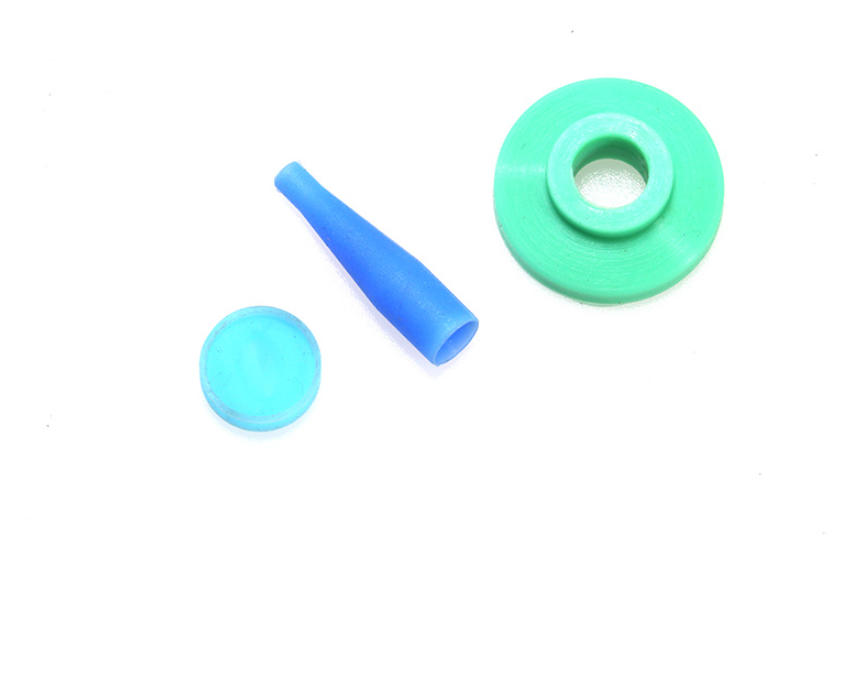
In the rapidly evolving landscape of modern healthcare, the accuracy of a diagnosis often hinges on the reliability of the machine delivering it. Behind the sleek interfaces and complex circuitry of medical testing instruments lies an unsung hero of engineering: the medical-grade silicone rubber component. From the humble O-ring to custom-molded seals and gaskets, these specialized parts are the guardians of precision, ensuring that sensitive analyzers, surgical devices, and diagnostic tools function with unwavering consistency.
For manufacturers and procurement specialists seeking components that marry durability with compliance, understanding the nuances of materials like silicone, fluoroelastomer (FKM), and EPDM is not just technical diligence—it is a commitment to patient safety. This article explores the indispensable nature of these components, with a specific focus on the offerings from industry players like CIODC, and delves into the science that makes them fit for the sterile, high-stakes world of medicine.
The Unseen Assurance: Why Material Selection Matters
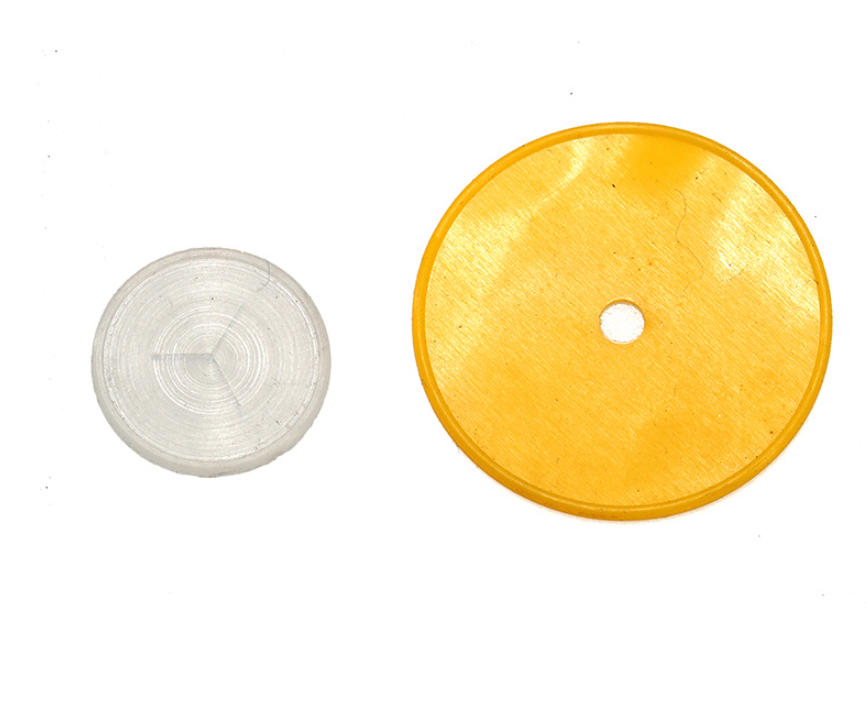
Medical testing instruments—whether they are blood gas analyzers, centrifuge systems, or automated immunoassay devices—rely heavily on pneumatic and fluid control systems. These systems demand a perfect seal to prevent cross-contamination, maintain pressure, and protect sensitive reagents. This is where precision rubber parts come into play.
However, not all rubber is created equal. In a medical setting, a seal failure isn’t just a maintenance issue; it is a potential compromise of patient results. This is why medical-grade silicone and other high-performance elastomers are specified. They are engineered to meet rigorous standards such as ISO 10993 for biocompatibility, ensuring that materials in contact with reagents or, indirectly, with patient samples, do not leach harmful chemicals or cause adverse reactions.
CIODC, a brand synonymous with reliability in this sector, provides a comprehensive range of silicone rubber accessories designed specifically for these high-pressure environments. With a focus on attributes like wear resistance, high-temperature tolerance, and chemical inertness, CIODC components are manufactured in China to global standards, offering a balance of quality and cost-efficiency that modern medical OEMs require.
Decoding the Material Matrix: From Fluorocarbon to Silicone
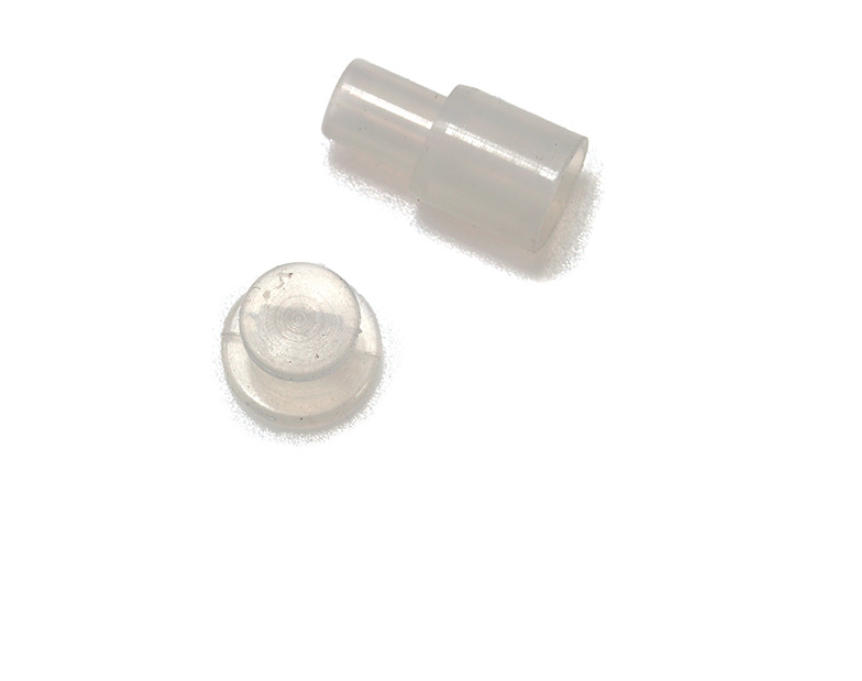
To appreciate the application of these parts, one must first decode the language of polymers. CIODC’s catalog typically includes a variety of materials, each selected for specific environmental interactions. Here is a closer look at the most common elastomers used in medical testing instrumentation.
1. Fluorocarbon (FKM) O-Rings: The Chemical Warriors
In sections of diagnostic machines where aggressive cleaning agents or harsh chemicals are present, Fluorocarbon (FKM) is the material of choice.
- Performance Profile: FKM is celebrated for its exceptional resistance to high temperatures (ranging from -20°C to 240°C), oils, chemicals, and ozone.
- Applications: It is ideal for sealing parts in contact with solvents or lubricants in mechanical drives.
- Limitation: While robust against chemicals, FKM is not recommended for exposure to hot steam or water, which can degrade its structure over time [citation:product attributes].
2. Nitrile (NBR) O-Rings: The Versatile Economizers
For applications requiring a balance between cost and performance, particularly in waterproofing and oil resistance, Nitrile is a staple.
- Performance Profile: Operating effectively between -40°C and 120°C, NBR offers excellent resistance to petroleum-based oils and greases, coupled with high abrasion resistance.
- Applications: Commonly used in hydraulic systems within the mechanical housing of testing equipment.
- Limitation: NBR degrades under direct sunlight (UV) and ozone exposure, making it unsuitable for external, unshielded parts [citation:product attributes].
3. Medical Grade Silicone (VMQ): The Gold Standard for Purity
When the application involves contact with reagents, pharmaceuticals, or requires flexibility at extreme temperatures, silicone rubber is unmatched.
- Performance Profile: Silicone offers a remarkable operating temperature range (-68°C to 200°C) and is highly resistant to ozone and UV radiation. It is inherently environmentally friendly and can be formulated to meet FDA (Food and Drug Administration) and medical-grade standards [citation:product attributes].
- Biocompatibility: Leading manufacturers emphasize that silicone is a chemically inert solution, perfect for Point-of-Care Testing (POCT) devices and wearable monitors. Its ability to limit protein and drug absorption makes it ideal for microfluidic chips, which are the heart of many diagnostic devices.
- Applications: Used for static seals, gaskets in sterilization trays, and components in glucose monitors.
- Customization: One of the significant advantages of silicone is its adaptability. CIODC offers silicone parts in virtually any color, matched to standard color card numbers, allowing manufacturers to color-code components for easy identification during assembly [citation:product attributes].
- Limitation: Traditional silicone is not recommended for dynamic sealing (moving parts) or exposure to oils, as it lacks the mechanical strength of FKM in abrasive environments.
4. Ethylene Propylene Diene Monomer (EPDM): The Steam Resistor
In processes that require sterilization via steam autoclaves, EPDM is the superior choice.
- Performance Profile: With excellent resistance to steam, ozone, and weathering, and a temperature range of -54°C to 180°C, EPDM maintains integrity where other elastomers fail.
- Applications: Ideal for water seals, steam cleaning systems, and external gaskets exposed to weather [citation:product attributes].
- Limitation: EPDM swells or degrades when in contact with oils and hydrocarbons, so it must be used selectively.
Meeting Regulatory Demands: The Certification Landscape
The global medical device market is tightly regulated, and suppliers must provide traceability and safety data. The era of simple rubber cutting is over; today’s medical silicone must often pass stringent tests.
Contact me for custom procurement.:silicone@silic0ne.com