 silicone@silic0ne.com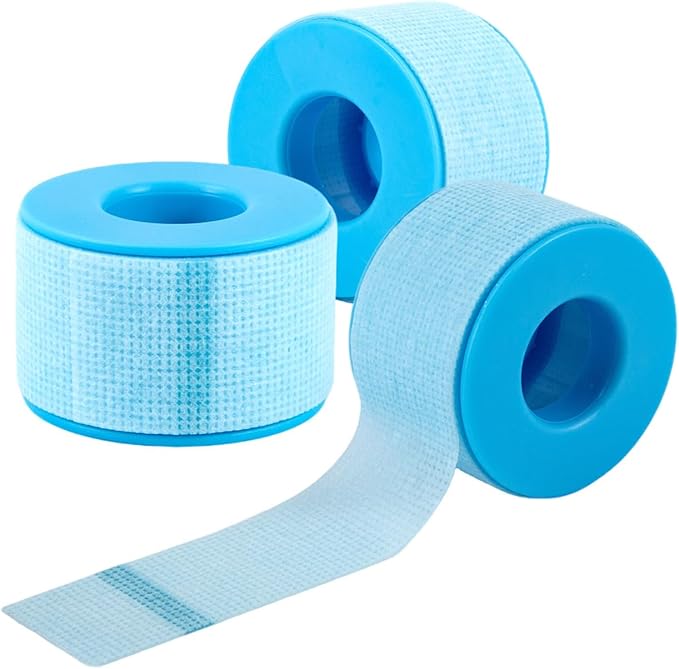
There is a moment, familiar to millions, that happens just before removing a bandage or changing a wound dressing. You pause. You take a breath. You brace yourself. And then you pull—fast, like a band-aid, because that is what everyone told you to do. The tape rips away from your skin, taking with it fine hairs, a thin layer of dead skin cells, and sometimes, a fresh scab you had been protecting for days.
For most people, this is a fleeting second of discomfort. But for those with sensitive skin, eczema, psoriasis, allergies, or fragile skin from aging or medication, that moment can be a nightmare. The redness that follows is not just a mark—it is inflammation, sometimes lasting hours or even days. The itching drives you crazy. The swelling makes you dread the next dressing change.
And yet, for decades, we accepted this as normal. We assumed that all medical tapes had to hurt. We believed that “hypoallergenic” was just a marketing word. We tolerated red, raw skin around wounds because we thought there was no alternative.
There is now an alternative. And it is called Silicone Surgical Tape.
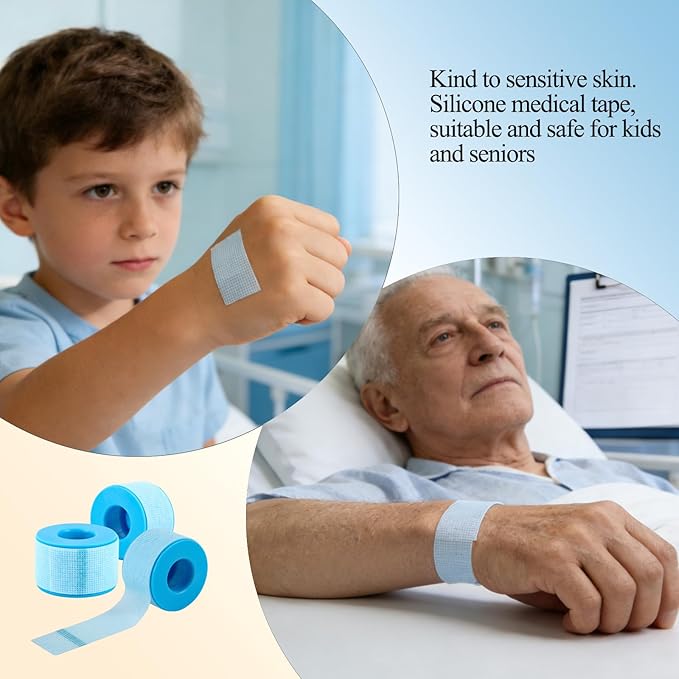
Specifically, the ASJCNJN Silicone Surgical Tape for Skin—a 3-roll pack of 1-inch by 5-yard, reusable, waterproof, gentle silicone tape that is quietly transforming how we think about wound care, scar treatment, post-surgical recovery, and even beauty applications like eyelash extensions.
This is not your grandmother’s adhesive tape. This is a revolution in a roll.
Part One: The Problem with Traditional Adhesive Tape
To understand why silicone tape is such a leap forward, we must first understand what is wrong with conventional options. Most medical tapes—whether paper, cloth, or plastic-based—rely on aggressive acrylic or rubber-based adhesives. These adhesives work by forming a chemical bond with the keratin in your skin. In other words, they literally glue themselves to your outer layer.
That is why removal hurts. You are not just lifting a sticker; you are breaking a chemical bond that was designed to be permanent until you forcibly disrupt it. The result?
- Stratum corneum damage (the outermost protective layer of your skin is partially stripped away)
- Contact dermatitis (an inflammatory reaction to the adhesive chemicals)
- Tape stripping (a clinical term for when the adhesive literally pulls off microscopic layers of skin)
- Delayed wound healing (because each dressing change re-injures the periwound area)
- Hyperpigmentation (dark marks left behind after repeated irritation)
For surgical patients, this is particularly cruel. You are already recovering from an operation. Your incision is tender. The last thing you need is to dread your own dressing changes. Yet countless patients report that the pain of tape removal rivals the pain of the wound itself.
For people with chronic conditions requiring frequent dressing changes—think diabetic ulcers, venous leg ulcers, or drain sites—the cumulative damage of daily tape application can lead to skin breakdown, infection, and extended hospital stays.
This is not a minor inconvenience. This is a clinical problem. And silicone is the answer.
Part Two: How Silicone Tape Works – The Science of Gentle

The ASJCNJN Silicone Surgical Tape does not use chemical adhesives. Instead, it employs a technology called micro-adhesive physical adsorption.
Let us explain without the jargon.
Imagine a gecko climbing a glass wall. The gecko does not use glue. Instead, its feet have millions of microscopic hairs that create a weak electromagnetic attraction (van der Waals forces) between the foot and the surface. The bond is strong enough to hold the gecko’s weight but releases effortlessly when the gecko changes the angle of its foot.
Silicone tape works on a similar principle. The silicone material has a naturally slightly tacky surface, but the adhesion comes from physical contact, not chemical bonding. The tape sticks to dry skin because the silicone molecules create a gentle suction-like grip at a microscopic level. However, because there is no chemical adhesive, the tape does not bond to your skin cells—it simply sits on them.
When you remove the tape, you are not tearing anything away. You are simply breaking a physical seal. The result is painless, effortless removal that leaves no residue, no redness, and no damage.
This is why the product description promises: “There will no longer be pain damaging the skin. Each dressing change will become a reassuring experience.”
Part Three: Gentle and Non-Allergenic – Finally, a Tape for Sensitive Skin

The phrase “hypoallergenic” appears on many products, often with little evidence. The ASJCNJN Silicone Tape actually delivers.
Made from premium-grade hypoallergenic silicone, this tape contains no:
- Latex (a common allergen)
- Acrylate adhesives (a frequent cause of contact dermatitis)
- Rosin or colophony (tree-based adhesives that irritate many people)
- Rubber accelerators (chemicals that trigger allergic reactions in healthcare workers and patients)
Instead, the tape is composed of 100% medical-grade silicone. This is the same material used in long-term implants, burn dressings, and neonatal intensive care unit (NICU) tapes for premature infants. If it is safe enough for a preemie’s paper-thin skin, it is safe enough for you.
What does this mean in practice?
- No redness: Even after days of continuous wear, the skin underneath remains normal.
- No swelling: Because there is no chemical irritation, the inflammatory response is absent.
- No itching: Itching is typically a sign of histamine release from an allergic or irritant reaction. Silicone does not trigger this cascade.
For people with eczema, psoriasis, or simply “skin that hates everything,” this tape is a game-changer. You can finally secure a dressing without trading one problem (a wound) for another (an adhesive rash).
Part Four: Painless Removal – The Feature That Changes Everything

Let us dwell on removal for a moment, because this is where silicone tape truly shines.
Traditional tape removal methods often involve:
- Pulling quickly (painful, traumatic)
- Using alcohol or adhesive removers (stinging, drying)
- Soaking in water (time-consuming, impractical for fresh wounds)
With the ASJCNJN Silicone Tape, removal is almost anti-climactic. You simply lift one corner of the tape and gently peel. The tape releases without resistance. There is no sharp sting. No hairs pulled from their roots. No red line left behind.
One user described it this way: “It feels like removing a Post-it Note from a clean desk, not like ripping duct tape off your arm.”
This is particularly important for:
- Post-surgical patients changing dressings on incisions
- Parents of children who cry and squirm during bandage changes
- Elderly individuals with fragile, thin skin (senile purpura or actinic damage)
- Anyone with a low pain tolerance or needle phobia (the fear of tape can be real)
When dressing changes are no longer associated with pain, compliance improves. You change your dressings when you should, not when you must. Your wound heals faster. Your mental health improves. It sounds dramatic, but anyone who has dreaded a daily dressing change knows exactly what we mean.
Part Five: Easy to Use – No Scissors, No Fuss

Another small but significant feature: the ASJCNJN tape is designed for hand-tearing.
You read that correctly. You do not need scissors. You do not need a sharp edge. You simply pull the tape to the desired length and tear it by hand. The silicone material has just enough directional strength to tear cleanly without stretching or fraying.
This matters more than you might think. In a first-aid situation—say, a kitchen cut or a camping injury—scissors may not be nearby. In a beauty salon, scissors slow down the workflow. For someone with arthritis or limited hand strength, cutting tape can be genuinely difficult. Hand-tearable tape removes that barrier entirely.
Moreover, the tape’s adhesion to skin is described as “excellent.” This is a careful balance. Silicone tape is not as aggressively sticky as acrylic tape, but it does not need to be. For most applications—securing gauze, holding a wound closure, or protecting a small incision—the gentle grip is more than sufficient. The tape stays in place through normal movement, light perspiration, and even brief exposure to water.
Speaking of water…
Part Six: Waterproof and Reusable – Two Unexpected Benefits

Most people assume medical tape is single-use. The ASJCNJN Silicone Tape challenges that assumption.
Waterproof: The silicone material is inherently hydrophobic. It repels water, which means you can shower with the tape in place without it loosening or falling off. For patients with post-surgical incisions or wounds that must stay dry, this is a major convenience. No more elaborate plastic bag contraptions taped over your arm. No more bath wipes because you are afraid to get the dressing wet.
Reusable: Because the tape does not use a chemical adhesive that wears out after one application, you can often rinse the tape, let it air dry, and reapply it. The physical adsorption mechanism resets once the tape is clean and dry. A single piece of silicone tape can be used multiple times, making the 5-yard roll last far longer than a comparable roll of traditional tape.
This reusability is not just economical—it is also environmentally friendlier. Less waste in landfills. Less manufacturing energy. It is a small step, but in a world of single-use medical supplies, every bit helps.
Part Seven: Wide Range of Applications – From Wounds to Eyelashes
One of the most remarkable aspects of silicone tape is its versatility. The ASJCNJN product is explicitly designed for multiple uses, spanning both medical and beauty contexts.
Medical Uses:
- Wound care: Secure gauze pads over minor cuts, abrasions, or post-surgical incisions.
- Scar treatment: Silicone tape is actually a first-line treatment for hypertrophic scars and keloids. The tape applies gentle pressure and creates a hydrating environment that flattens and fades scars over time. Wear it for 12-24 hours daily for best results.
- Ankle and joint protection: Secure padding or braces without irritating the surrounding skin.
- First aid kits: An indispensable item for households, sports bags, and travel kits. Unlike cloth tape, silicone does not degrade with heat or humidity.
- Delicate skin: Ideal for elderly patients, premature infants, or anyone on long-term steroids (which thin the skin).
Beauty and Salon Uses:
- Eyelash extension tape: Lash artists use silicone tape to gently hold down lower lashes during extension application. Unlike paper tape, silicone does not pull at the delicate under-eye skin or leave adhesive residue.
- Facial care: Secure cotton pads soaked in toner or serum to specific areas (like a DIY sheet mask patch).
- Eyebrow shaping: Hold down stray hairs during tinting or waxing.
This wide applicability means you are not buying a niche product. You are buying a multi-tool for your medicine cabinet and beauty kit. One roll serves many purposes.
Part Eight: Comfortable and Snug – Following Your Body’s Curves
Another frustration with traditional tape: it is stiff. Paper tape crinkles. Cloth tape bunches. Plastic tape pulls at the edges. None of them move naturally with your body.
Silicone is different. The ASJCNJN tape is described as having a “soft and snug texture” that “can follow the body’s curves and move freely.”
What does this feel like?
Imagine a second skin. The tape is flexible enough to stretch slightly, conforming to the contour of a knuckle, a knee, a curved rib cage, or the delicate hollow behind an ear. It does not restrict movement. You can bend, twist, and stretch without feeling the tape tugging or binding.
This is crucial for:
- Active individuals who need to secure a dressing while exercising
- Children who never stop moving
- Joint wounds (elbows, knees, fingers) where rigid tape constantly fails
- Overnight wear (you hardly notice it is there)
The comfort level is so high that some users report forgetting they are wearing tape at all. That is the goal: protection without perception.
Part Nine: How to Use Silicone Tape – A Simple Guide
For best results, follow these steps:
- Clean and dry the skin: Silicone tape adheres best to clean, dry, oil-free skin. Do not apply lotions or creams in the area where the tape will sit.
- Tear the desired length: Pull the tape from the roll and tear by hand. No scissors needed.
- Apply without stretching: Place the tape over your dressing or directly onto skin. Do not stretch the tape during application, as this can cause tension blisters.
- Smooth down gently: Run a finger over the tape to ensure full contact. The silicone will “grab” within seconds.
- Remove by peeling slowly: Lift one corner and peel back gently. If you feel resistance, slow down. The tape will release painlessly.
- Clean and reuse (optional): Rinse with mild soap and water, air dry completely, and reapply. Discard if the tape becomes visibly soiled or loses its tack.
Note: Do not use on open, weeping wounds directly. The tape is designed to secure dressings or be used over closed incisions and scars.
Part Ten: Why ASJCNJN? – Quality You Can Trust
In the world of medical supplies, brand reputation matters. ASJCNJN has focused specifically on silicone-based products for sensitive skin. This specialization means they understand the nuances—the right durometer (firmness) of silicone, the optimal thickness for tearability, the balance between gentleness and adhesion.
The 3-roll pack is thoughtfully designed. At 1 inch wide and 5 yards per roll, you have enough tape for multiple applications across different body areas. The slim profile fits easily in a first-aid kit, a cosmetic bag, or a nightstand drawer.
Moreover, the transparent or translucent appearance (varies by batch) means the tape is discreet. You can wear it on your face for scar treatment or eyelash application without looking like you have a medical device attached.
Part Eleven: Real Stories, Real Relief
“After my C-section, the hospital sent me home with standard paper tape. Within three days, I had a red, itchy rash around my incision that was worse than the incision itself. My midwife recommended silicone tape. The difference was night and day. No rash. No pain on removal. I wish I had known about this before surgery.” – Jessica, new mother
“I have psoriasis, and even ‘sensitive’ tapes cause me to flare. This silicone tape is the only one I can use. I keep a roll in my car, my desk, and my travel bag.” – David, 45
“I’m a lash artist. I used to go through boxes of paper tape that irritated my clients’ under-eye skin. Switching to silicone tape was a game-changer. My clients thank me every time. And because it’s reusable, it actually saves me money.” – Michelle, salon owner
“My grandmother has very fragile skin from years of steroid use. A small scratch can turn into a large wound because tape rips her skin. This silicone tape allows us to dress her wounds without causing new ones. It has genuinely improved her quality of life.” – Thomas, family caregiver
Conclusion: A Small Change, A Massive Difference
We tend to overlook the humble roll of tape. It sits in the back of the medicine cabinet, forgotten until we need it. But when we do need it—after surgery, after an accident, during scar healing, or even during a beauty treatment—the quality of that tape profoundly affects our experience.
Silicone surgical tape is not a luxury. It is a necessity for anyone with sensitive skin, anyone tired of painful dressing changes, anyone who wants to heal without adding insult to injury.
The ASJCNJN Silicone Surgical Tape delivers on every promise: gentle, non-allergenic, painless to remove, easy to tear, waterproof, reusable, comfortable, and versatile. It works for wounds, scars, first aid, and even eyelash extensions. It is the tape you reach for when you want protection without compromise.
The era of red, swollen, itchy skin from medical tape is over. The era of dreading dressing changes is over. The era of ripping, tugging, and pain is over.
Try the ASJCNJN Silicone Surgical Tape for Skin—3 rolls of gentle, intelligent, human-centered design. Your skin will know the difference. And you will wonder why you ever settled for anything less.