

Caring for an aging parent or relative is a journey filled with quiet acts of love. For millions of families worldwide, this includes helping a loved one manage incontinence or urinary retention—a challenge that affects nearly 8.4% of residents in long-term care facilities -4. If you are navigating this at home, you know the balance it requires: ensuring medical safety while preserving your loved one’s dignity and comfort.
At the heart of this care is a small but crucial device: the urinary catheter. For those requiring long-term management, the choice of catheter is not just a medical decision; it is a quality-of-life decision. Today, we dive deep into why medical-grade silicone catheters—specifically the sterile, disposable double and triple lumen variants—have become the gold standard for home care, and how features like multiple size options and bladder irrigation capabilities can make all the difference.
Why Silicone? The Comfort of Gentle Care
Imagine wearing a rigid piece of equipment inside your body for weeks. Uncomfortable, right? That is why the material of your catheter matters immensely.
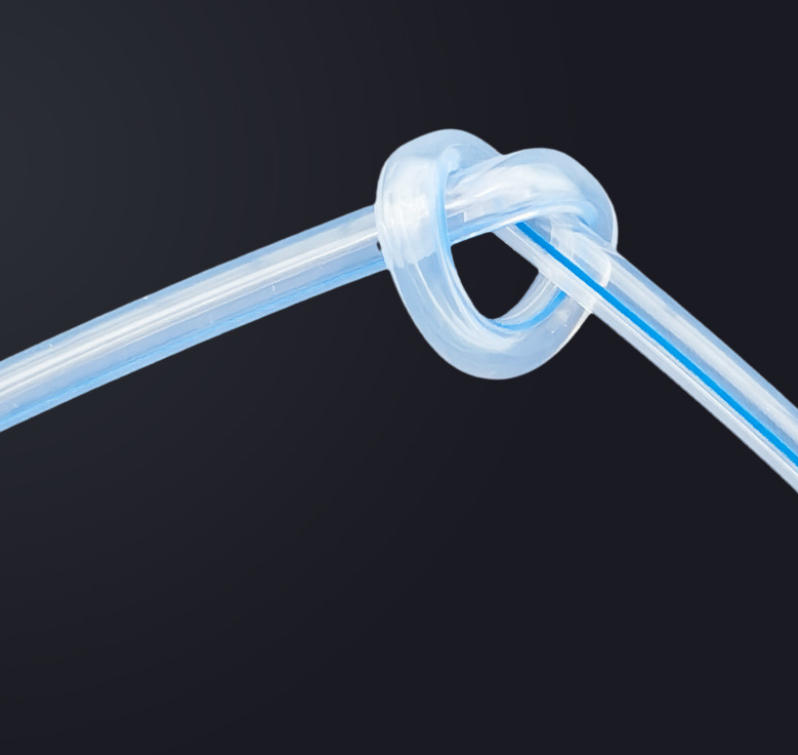
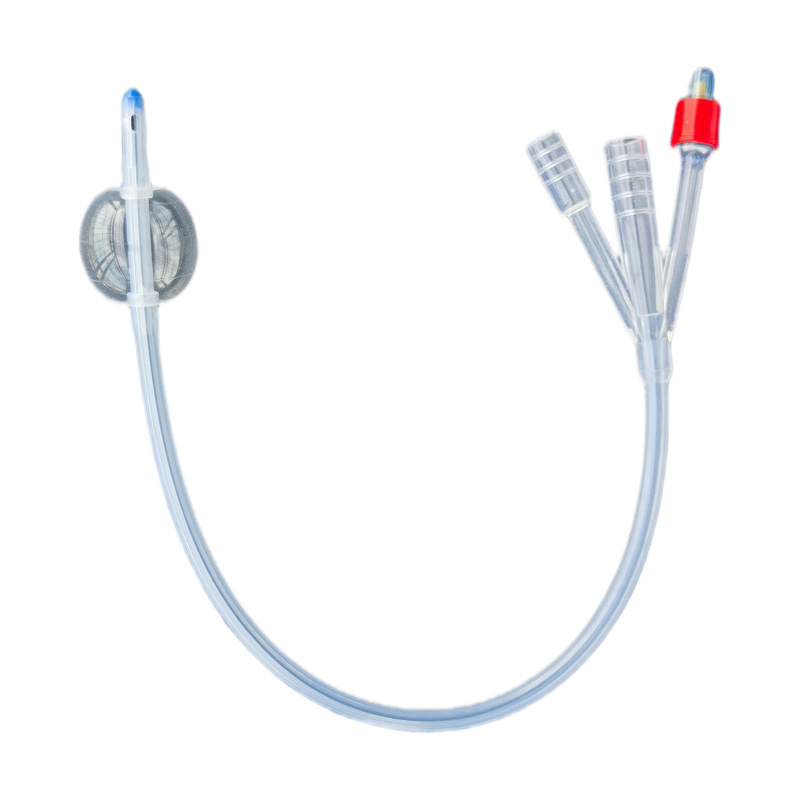
Unlike older alternatives, soft silicone is biocompatible, meaning it is less likely to cause irritation or allergic reactions. It is flexible yet durable, adapting to the body”s natural contours rather than fighting against them. For elderly patients with sensitive mucosal tissues, this softness is paramount. It significantly reduces the “foreign body” sensation and minimizes trauma to the urethra during insertion and removal.
Furthermore, silicone is resistant to encrustation—a common issue where minerals from urine build up on the tube. This resistance ensures the lumen stays open for consistent drainage, reducing the risk of painful blockages.
29 Days of Reliability: Designed for Indwelling Use
One of the standout features of high-quality silicone catheters is their approved duration of use. Clinical standards indicate that silicone catheters can be safely left indwelling for up to 29 days -3. This is a game-changer for home caregivers.
Frequent replacements mean frequent trips to the clinic or stressful home visits from nurses. By opting for a catheter designed for extended wear, you reduce the disruption to your loved one’s life and lower the risk of introducing bacteria through repeated manipulations. The CIODC silicone catheter is engineered with this exact need in mind, offering the resilience required for month-long use while maintaining structural integrity.
Choosing the Right Path: Double Lumen vs. Triple Lumen
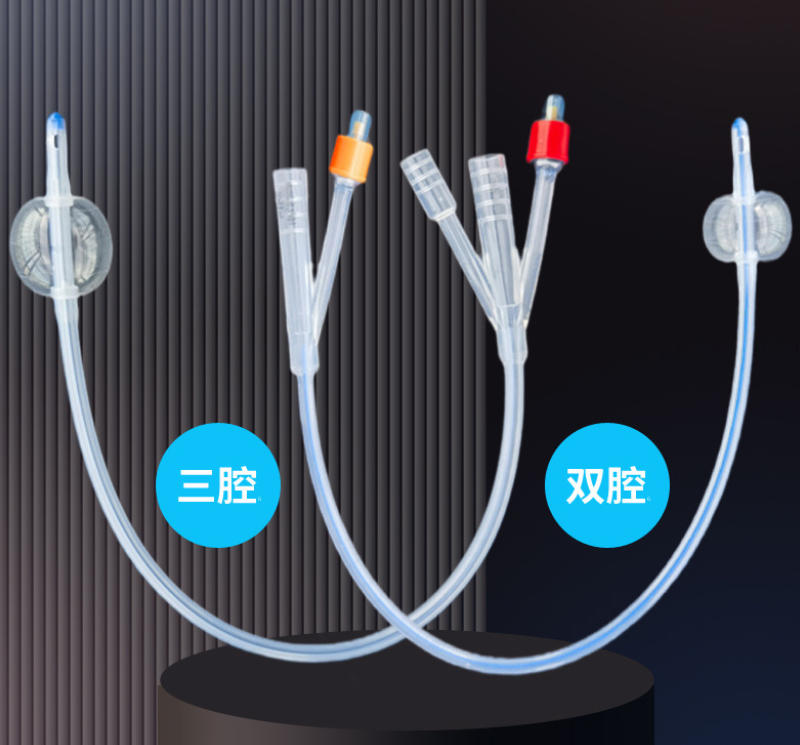
When selecting a catheter, you will encounter two main types: double lumen (often called “two-way”) and triple lumen (“three-way”). Understanding the difference helps you match the device to the medical need.
- Double Lumen (Two-Way) Catheters: This is the standard for general drainage. One channel is for inflating the small balloon (balloon lumen) that keeps the catheter securely in place inside the bladder, and the larger channel is for draining urine (drainage lumen). It is simple, effective, and perfect for routine bladder management.
- Triple Lumen (Three-Way) Catheters: The third channel adds a crucial function: irrigation. This allows for continuous or intermittent bladder washing without disconnecting the drainage system -3. This is vital for patients who have undergone bladder surgery or those prone to blood clots or sediment buildup in the urine. For home care, having a triple lumen option like the F16 to F24 sizes available in the CIODC range allows a nurse or caregiver to perform bladder irrigation (bladder wash) to clear debris, keeping the patient comfortable and preventing blockages.
Sizing Matters: A Size for Every Stage of Life
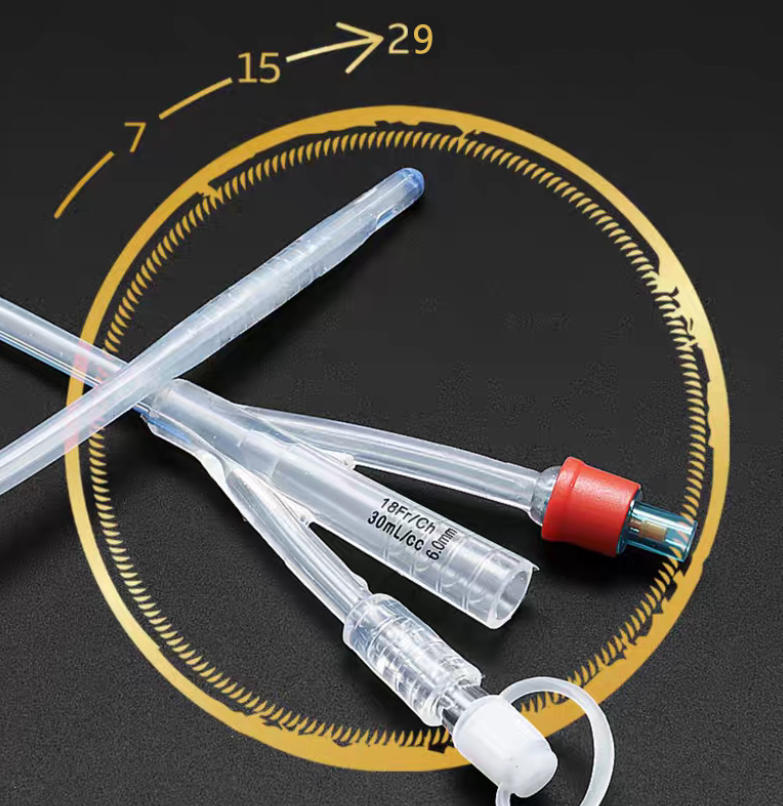
Perhaps the most common mistake in catheter care is using the wrong size. Catheters are measured in French units (French scale or Fr), where the number corresponds to the circumference in millimeters.
The range available is vast, and for good reason:
- Pediatric and Small Adult (F6 – F12): For children or frail, thin adults, a smaller gauge like F6 (4mm) or F8 is less traumatic. The inclusion of a guidewire (stylet) in pediatric sizes (F6, F8, F10) is a thoughtful addition—it provides stiffness during insertion for easier navigation before the soft catheter softens at body temperature.
- Standard Adult (F14 – F22): Most adult women will use sizes F14 to F18, while men often require F16 to F20. The F16 (5.33mm) and F18 (6mm) are the most common “go-to” sizes for general use.
- Larger Sizes (F24 and above): Reserved for when there is sediment or hematuria (blood in the urine) that needs to pass through a wider bore.
Having access to a complete size range—from F6 for children to F24 for adults—ensures that the device can be tailored to the individual”s specific anatomy and condition.
The Unsung Heroes: Accessories That Ensure Safety
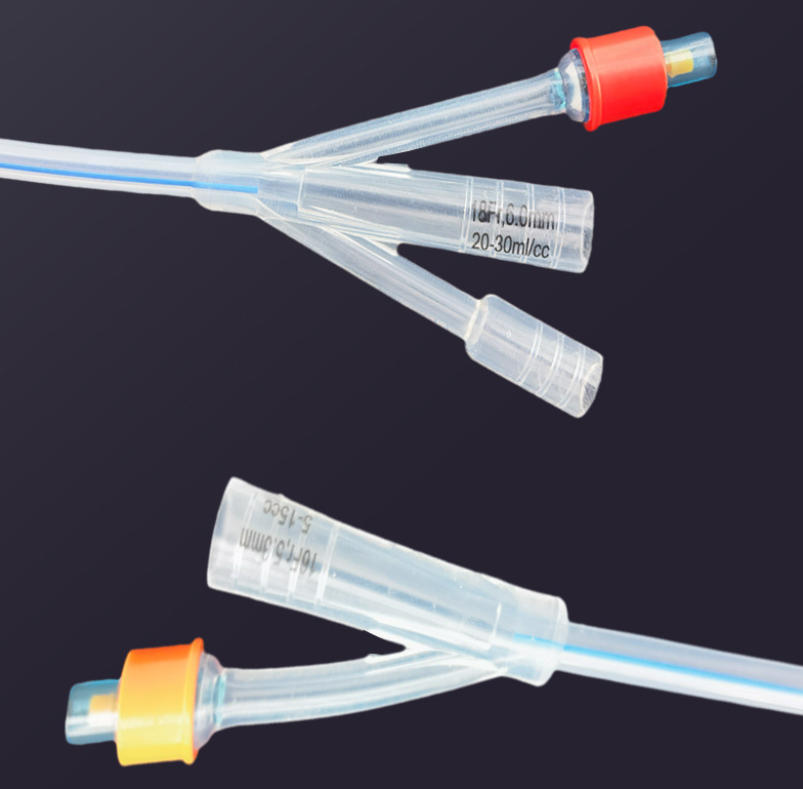
A catheter system is more than just the tube. The included accessories often determine how hygienic and manageable the care routine is.
- Drainage Bags (Urine Bags): The system includes 1000ml urine bags with different tube lengths. A 60cm tube is ideal for patients who are mobile, allowing them to walk with the bag strapped to their leg. A 90cm tube offers more reach for bedridden patients, allowing the bag to sit low on the bed frame to prevent backflow.
- Luer Valves and Connectors: The “hard valve” design allows for a secure connection to a syringe or irrigation kit. This leak-proof connection is essential when performing bladder washes or injecting the sterile water needed to inflate the retaining balloon.
- Vent Caps (Obdurators): The inclusion of drainage cavity plugs and irrigation cavity plugs is a small but significant detail. These maintain a closed system when the catheter is not in use or when switching between drainage and irrigation, preserving sterility.
Sterility and Safety: The Non-Negotiable Standard

In the United States and Europe, regulations mandate that these devices must be free of harmful agents. The CIODC silicone catheter is sterilized using Ethylene Oxide (EtO) , a process that ensures the device is free from bacteria, viruses, and fungi. The “single-use” designation is critical—reusing a disposable catheter can lead to life-threatening infections.
For caregivers, this means peace of mind. Every time you open the sterile packaging, you know you are holding a device that meets the highest safety standards, ready to protect your loved one from Catheter-Associated Urinary Tract Infections (CAUTIs), which are a leading cause of hospital complications.
Conclusion: Empowering Home Care with the Right Tools

Caring for a loved one with a urinary catheter can feel overwhelming, but the right tools make it manageable. The shift towards soft silicone, long-term indwelling catheters reflects a broader commitment to patient dignity and clinical excellence.
Whether you need a pediatric catheter with a guidewire for a child, a standard F16 double lumen for daily drainage, or a triple lumen F20 for post-operative irrigation, having a reliable, sterile, and well-equipped product is essential.
By choosing a comprehensive system that includes the right French size, the necessary irrigation ports, and secure drainage bags, you are not just managing a medical condition—you are ensuring that your loved one experiences comfort, safety, and the highest possible quality of life, right in the place they love most: home


Purchase custom silicone products at www.abtohe.com. What others can do, we can do well; what others cannot do, we can still do well.