

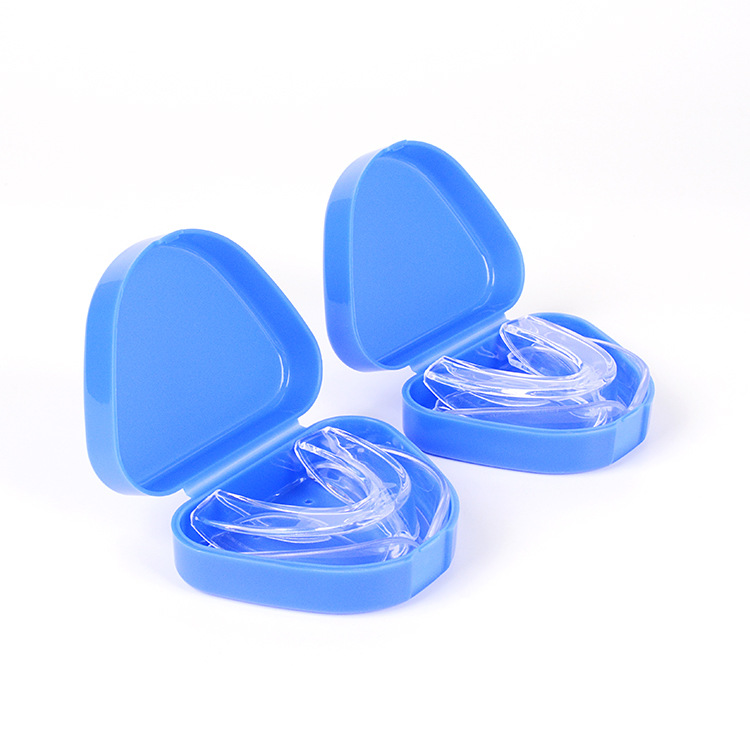
A beautiful, confident smile is something everyone deserves. However, the journey to straight teeth has traditionally been associated with years of metal braces and frequent, expensive visits to the orthodontist. Thanks to modern advancements in dental technology, achieving that perfect smile has become more accessible, discreet, and comfortable than ever before.
Central to this revolution is the development of multifunctional orthodontic silicone appliances. Whether you are looking to correct minor misalignments, protect your teeth during sports, or even address issues like snoring, understanding the tools available—from 矫正牙套 (corrective braces) to 止鼾牙托 (anti-snore mouth guards) —is the first step toward better oral health.
In this guide, we will explore the versatility of the 牙托套装 (dental tray set) , breaking down the differences between a 防护牙托 (protective mouth guard) and a 矫正牙套 (corrective braces) , and explaining the science behind the 正畸第一阶段 (First Stage of Orthodontics) , 正畸第二阶段 (Second Stage) , and 正畸第三阶段 (Third Stage) .
The Rise of Silicone in Orthodontics
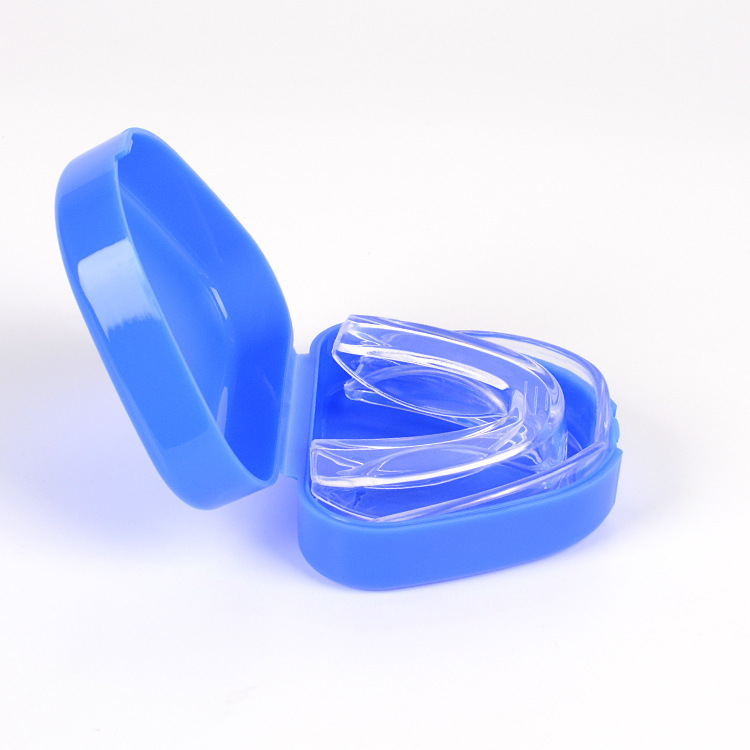
Gone are the days when dental appliances were bulky and painful. Modern orthodontic care increasingly relies on medical-grade silicone and TPE (Thermoplastic Elastomer) materials. These materials are favored for their flexibility, durability, and safety.
A high-quality 大硅胶牙托 (large silicone dental tray) is designed to cover the entire dental arch, providing a secure fit without irritating the gums. Unlike the rigid metal of traditional braces, silicone offers a cushioning effect. This makes it an ideal material for a 多功能牙套 (multifunctional braces) , as it can serve multiple purposes:
- Corrective Function: Gently guiding teeth into place.
- Protective Function: Acting as a shock absorber for athletes (防护牙托).
- Therapeutic Function: Serving as a 止鼾牙托 (anti-snore device) by repositioning the jaw to keep airways open.
Decoding the Dental Tray Set (牙托套装)
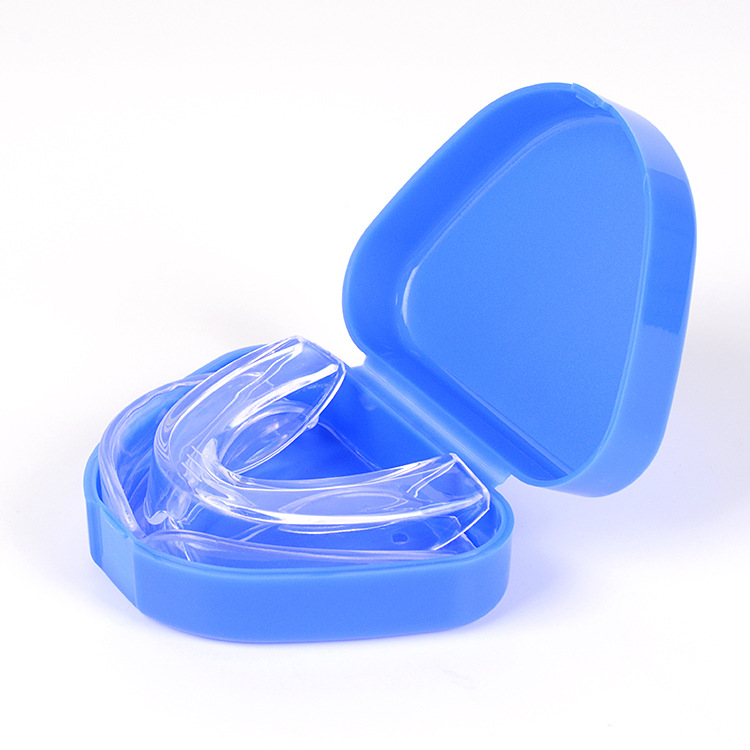
When you purchase a comprehensive 牙托套装, you are not just buying a single piece of plastic; you are investing in a system. A typical set recognizes that your teeth need to move gradually and safely. This is where the concept of the 扣位牙托 (snap-in / positioning tray) becomes essential. These trays are designed to “snap” into place, providing specific pressure points to move teeth incrementally.
Furthermore, for those interested in cosmetic dentistry at home, some trays double as 涂胶牙托 (application trays) . These are specifically designed to hold whitening gel evenly against the enamel, ensuring that the active ingredients stay in contact with your teeth for the maximum effect without touching your gums.
Understanding the Three Stages of Orthodontic Treatment (正畸第一阶段, 第二阶段, 第三阶段)
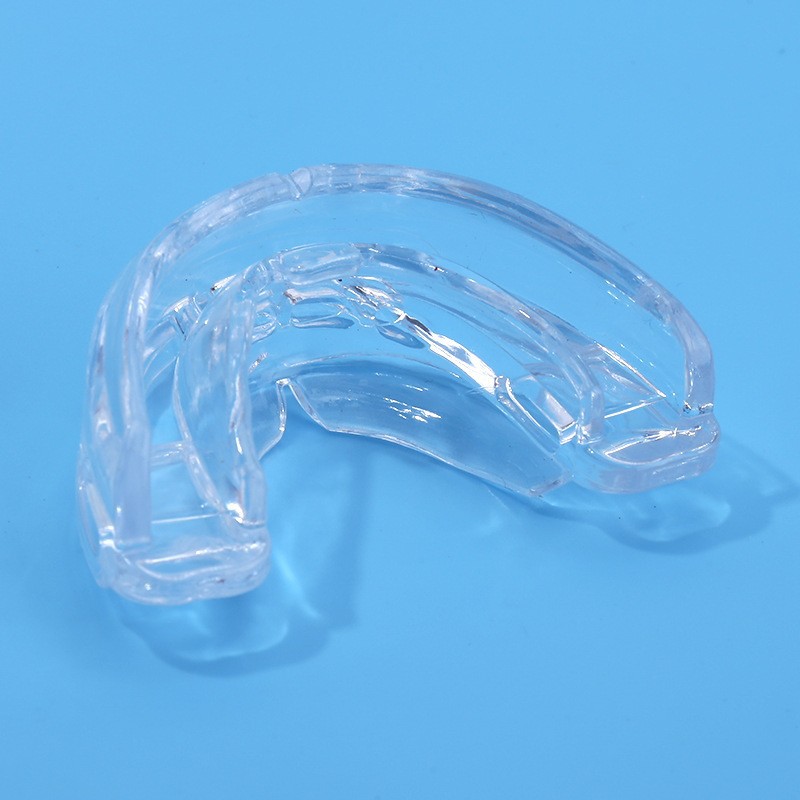
To truly appreciate how these appliances work, one must understand the phased approach to tooth movement. Whether you are using professional orthodontic services or an at-home 正畸定位器 (orthodontic positioner) , the biological process remains the same. The teeth must be moved through distinct stages to ensure the roots are stable and the bone reforms correctly around the new position.
Here is a breakdown of the three critical phases, often mirrored in high-quality silicone tray sets.
Phase 1: The Gentle Start (正畸第一阶段)
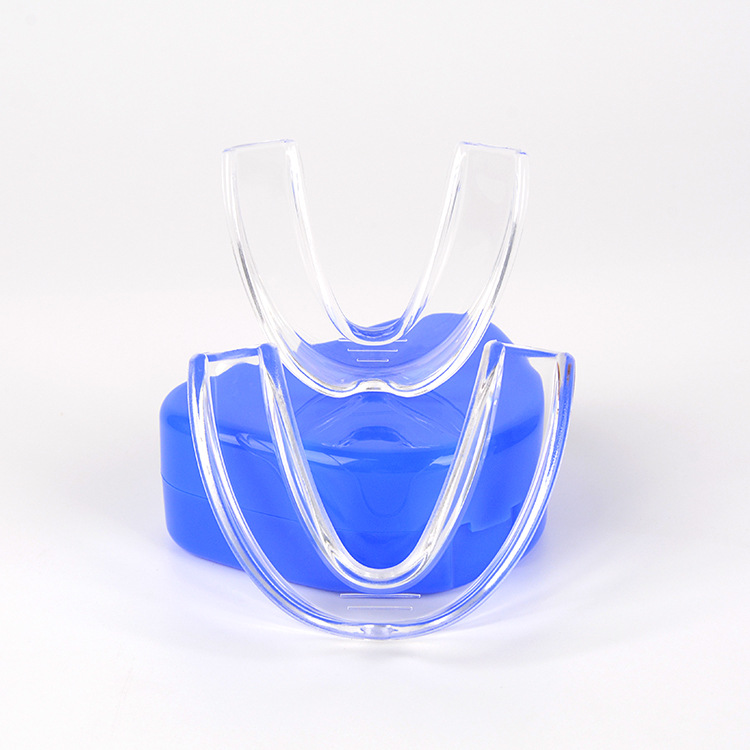
The first stage of treatment is all about adaptation and initial movement. In this phase, the teeth are the most sensitive, and the jaw muscles are learning to relax into a new position. The appliances used in the 正畸第一阶段 are typically made from the softest material.
- Material Hardness: Soft and highly flexible.
- Goal: To acclimate the user to wearing the device and to begin correcting the most severe crowding or misalignment gently.
- Usage: Usually worn for 1-2 months. During this time, users might experience mild soreness or drooling, which is a normal physiological reaction as the teeth begin to shift.
The trays used here are often referred to as “training braces.” They work not just by pushing teeth but by retraining the oral muscles, improving tongue posture, and expanding the dental arches slightly to create more room.
Phase 2: Active Correction (正畸第二阶段)
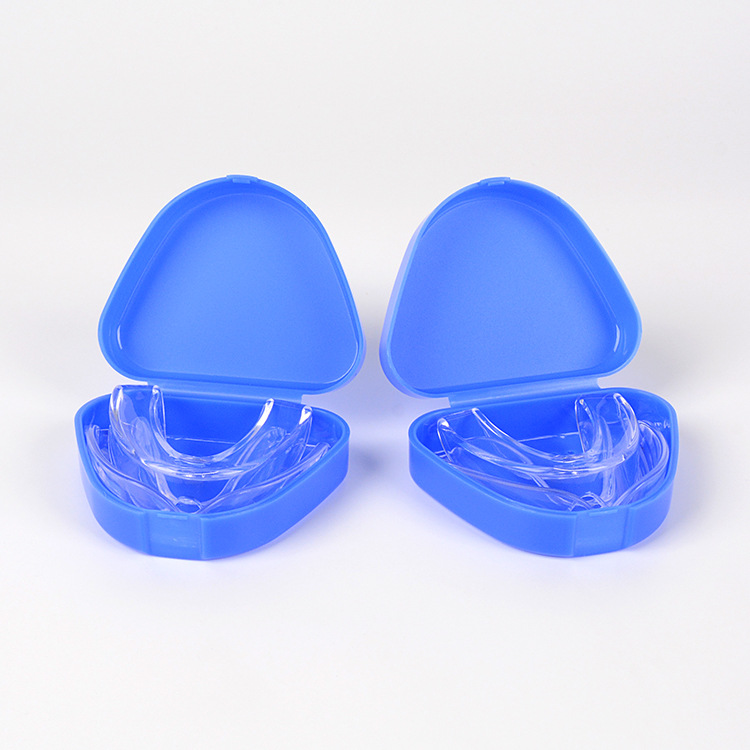
Once the initial groundwork is laid, treatment moves into the active correction phase. The 正畸第二阶段 utilizes a tray with medium elastic hardness. This increased rigidity provides a stronger, more directed force on the teeth to close gaps and correct rotations.
- Material Hardness: Medium (semi-rigid).
- Goal: To actively move the teeth into their designated positions, addressing mild to moderate crowding and spacing issues.
- Duration: This stage typically lasts longer than the first, often around 2-3 months.
During this stage, the 正畸定位器 function of the tray is most evident. The tray acts as a precise locator, holding the teeth in a specific alignment that encourages the bone and ligaments to remodel around the new position.
Phase 3: Fine-Tuning and Retention (正畸第三阶段)
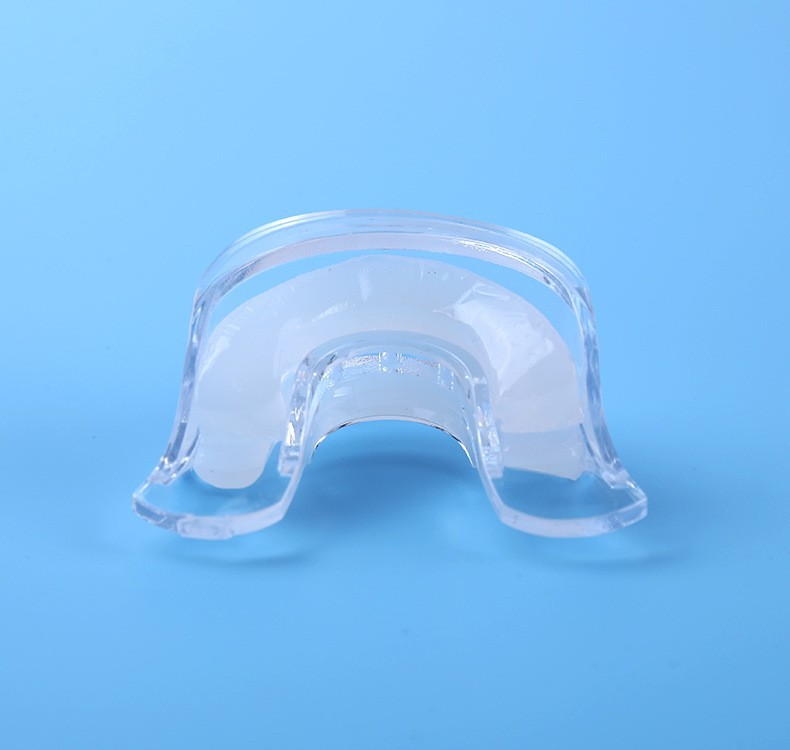
The final stage is arguably the most important for long-term success. The 正畸第三阶段 serves a dual purpose: fine-tuning the alignment and then acting as a 防护牙托 to prevent regression.
- Material Hardness: Firm and rigid.
- Goal: To apply the final torque and tip adjustments to the teeth, ensuring the bite fits together perfectly. After the active movement is complete, this stage transitions into retention, locking the teeth in place to prevent them from shifting back.
- Duration: This is the longest phase, often used for 3-6 months or longer as a nighttime retainer.
This final tray solidifies the results. Once the active orthodontic work is done, the jawbone needs time to reform and stabilize around the new roots. Without this critical 正畸第三阶段 , the teeth would slowly drift back to their original crooked positions.
The Multifunctional Braces: More Than Just Straightening
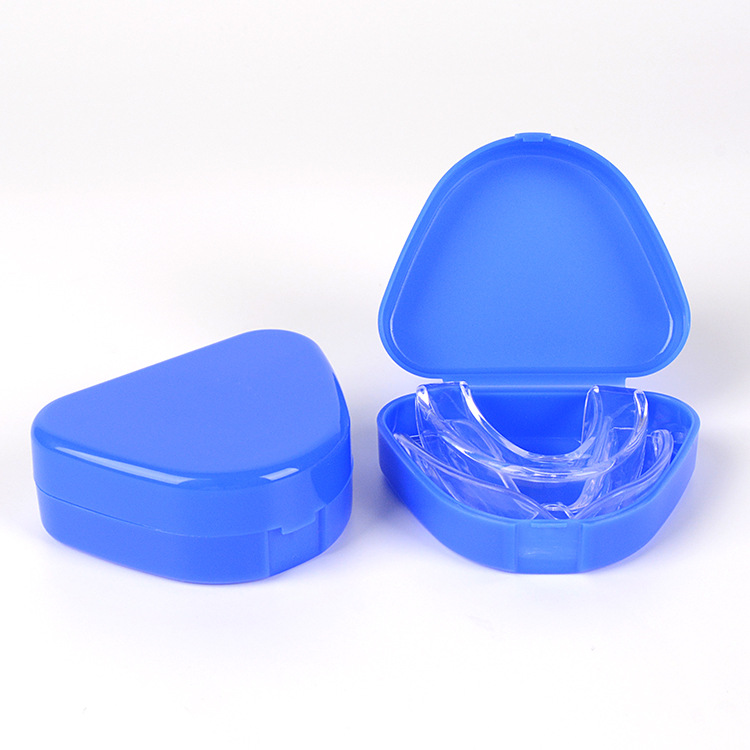
The beauty of a modern 多功能牙套 is its versatility. While the three-stage system focuses on alignment, the design of the trays allows for several concurrent benefits:
Protection in Sports (防护牙托)
For athletes, a custom-fitted 防护牙托 is non-negotiable. A 大硅胶牙托 provides excellent shock dispersion. If you are undergoing orthodontic treatment, wearing a protective tray over your aligners (or using a specific durable tray from your set) can safeguard your investment by preventing damage from impacts.
Application for Whitening (涂胶牙托)
As mentioned earlier, a 涂胶牙托 is designed to hold whitening serum. After completing the three-stage alignment process, many users repurpose their retainers as whitening trays to maintain both the straightness and the brightness of their smile.
Addressing Sleep Apnea (止鼾牙托)
Mild snoring is often caused by the relaxation of the throat muscles and the lower jaw. A specific type of 止鼾牙托 works by gently advancing the lower jaw forward, tightening the soft tissues and air passages to prevent vibration (snoring). Some comprehensive orthodontic kits include attachments or specific trays designed for this purpose, known as 扣位牙托 that hold the jaw in a forward position during sleep.
How to Use Your Silicone Dental Appliance
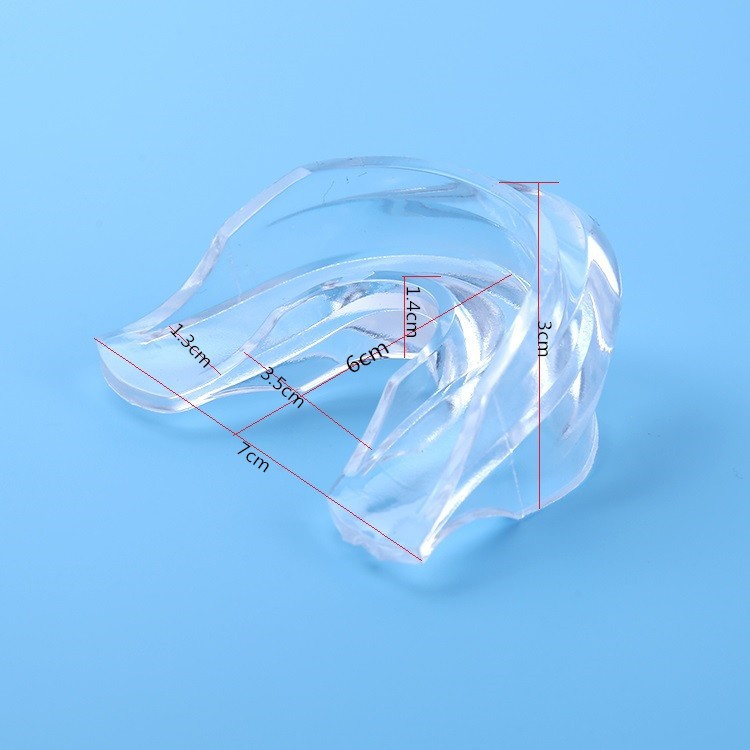
To get the best results from your 牙托套装, following the correct molding and wearing instructions is vital. High-quality silicone trays are thermoplastic, meaning they soften in hot water for a custom fit.
Step-by-Step Molding Guide:
- The Boil-and-Bite: Prepare water at around 80-90°C (176-194°F). Soak the tray for a few seconds until it becomes soft.
- The Fit: Place it carefully in your mouth. Bite down gently but firmly. Use your fingers and tongue to press the tray against your teeth and gums, ensuring the 正畸定位器 function is activated.
- The Trim: After a minute, remove the tray and rinse it with cold water to set the plastic. Using scissors, trim any excess material along the gum line to prevent gum irritation.
Wearing Schedule:
For best results, consistency is key.
- Adaptation: Wear for short periods (1-2 hours) to get used to the feeling.
- Full Regimen: Gradually increase to wearing it during sleep (8 hours) and for a few hours during the day.
- Total Wear Time: Aim for 10-12 hours per day to ensure constant, gentle pressure on the teeth.
Cleaning and Maintenance
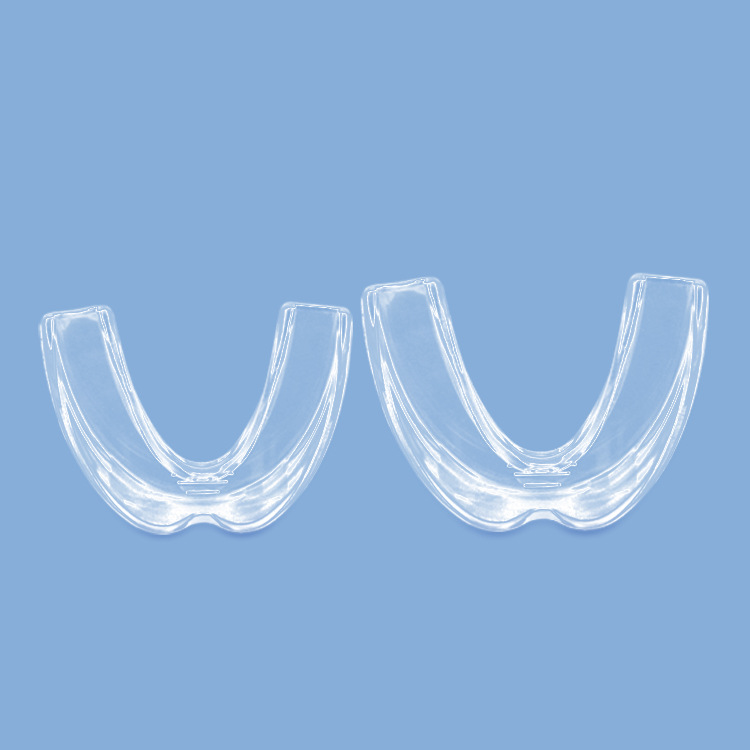
Maintaining your 矫正牙套 is simple but essential.
- Daily Cleaning: Clean the trays with a soft toothbrush and toothpaste. Avoid using hot water, as it can warp the shape.
- Storage: Always store your trays in the ventilated case provided in your 牙托套装 to prevent bacterial growth and damage.
- Handling: Keep them away from pets (dogs love chewing them!) and out of reach of children to avoid accidental ingestion.
Conclusion: A Smile in Your Hands
The evolution of dental care has put the power of a beautiful smile directly into the hands of the consumer. Whether you are looking for a 防护牙托 to protect your smile during weekend sports, a 止鼾牙托 for a better night’s sleep, or a full 多功能牙套 to correct alignment issues, understanding the technology is crucial.
By recognizing the distinct roles of the 正畸第一阶段 (initial adaptation), 正畸第二阶段 (active correction), and 正畸第三阶段 (retention), you can set realistic expectations for your journey. The 大硅胶牙托 is no longer a simple piece of plastic; it is a sophisticated 正畸定位器 designed to guide your teeth safely and effectively.
With patience, consistency, and the right 牙托套装, the smile you have always wanted is closer than you think.
Contact me for custom procurement.:silicone@silic0ne.com


