

There is perhaps no sound more reassuring to a parent than the steady, peaceful breathing of their sleeping child. But for thousands of infants born prematurely or with respiratory challenges, each breath is a battle—and the simple act of breathing requires medical support.
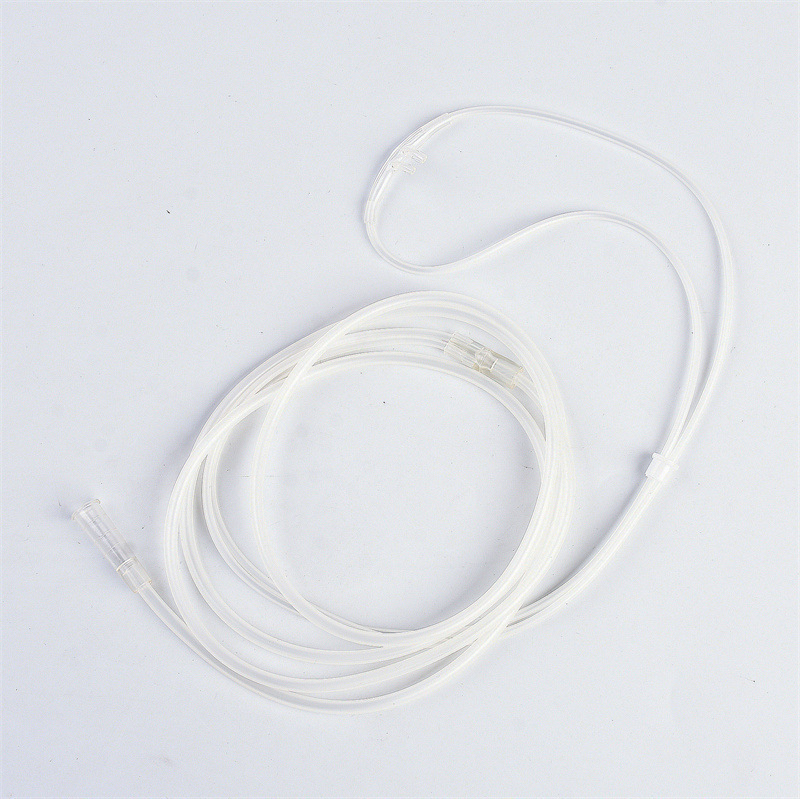
In neonatal intensive care units (NICUs) and pediatric wards around the world, nasal oxygen cannulas have become the frontline tool for delivering life-sustaining oxygen to our smallest patients. These unassuming tubes, gently resting beneath a baby’s nose, represent the intersection of medical necessity and delicate care. When that baby is your own, the quality of every component matters immensely.
This is the story of why medical-grade silicone infant nasal oxygen cannulas—sterile, single-use, and precisely engineered—have become indispensable in modern pediatric respiratory care.
The Fragile First Breaths: Why Oxygen Delivery Matters

Oxygen is not merely supportive care for newborns; it is foundational to life itself. As recent research published in Journal of Clinical Medicine emphasizes, “Oxygen is vital for cellular development, function, proliferation, and repair, underscoring its critical role in organogenesis”. For sick neonates, whose immature defense mechanisms cannot tolerate fluctuations, the balance is precarious. Both hypoxia (too little oxygen) and hyperoxia (too much) can trigger inflammation and oxidative stress, contributing to long-term cardiopulmonary and neurodevelopmental morbidity.
This is where the humble nasal cannula transforms into a precision instrument. The delivery method must be consistent, comfortable, and predictable. Guidelines for high-flow nasal cannula therapy in neonates have evolved rapidly, recognizing that the interface between machine and infant is critical to outcomes. When an infant requires respiratory support—whether for apnea of prematurity, respiratory distress syndrome, or weaning from CPAP—the nasal cannula becomes their lifeline.
The Gentle Touch of Medical-Grade Silicone

In neonatal care, material choice is not a luxury—it is a necessity. The skin of a premature infant is paper-thin, fragile, and easily damaged. Traditional plastics can abrade delicate nasal mucosa, leading to discomfort, bleeding, and increased risk of infection.
Medical-grade silicone offers a superior alternative. It is inherently soft, flexible, and biocompatible. As documented in patent literature for advanced infant nasal cannulas, the design often incorporates a silicone layer specifically to “better fit the inner side of the nasal cavity, reducing discomfort in infant patients”. This softness is not just about comfort; it is about compliance. An infant who is irritated by a rigid tube will fuss, dislodge the device, and experience fluctuations in oxygen delivery. A soft, pliable silicone cannula sits gently in place, barely noticed by the tiny patient.
Furthermore, advanced designs incorporate ventilation holes in the silicone layer, allowing oxygen to “slowly overflow from both sides of the nasal plug, increasing comfort and reducing infant patients” resistance and crying”. This thoughtful engineering acknowledges that even the smallest patients deserve a humane experience.
The Critical Importance of Proper Sizing

One size does not fit all—especially when the patient weighs less than a kilogram. Neonatal nasal cannulas must be precisely matched to the infant’s anatomy. Clinical guidelines from NHS Scotland emphasize a fundamental rule: the cannula prongs should occupy less than 50% of the area of the nares. This allows for adequate leak around the prongs, reducing the risk of pressure buildup in the airways while still delivering effective oxygen.
For the tiniest patients—those under 1.4 kg—premature-size cannulas with an outer diameter of just 0.14 cm are required. As infants grow, they transition to neonatal sizes (0.19 cm diameter for babies 1.4 to 2.6 kg) and then to infant sizes (0.27 cm diameter for those over 2.6 kg).
The CIODC range of infant nasal oxygen tubes acknowledges this spectrum of need. Each cannula is designed with the understanding that proper fit is not optional—it is essential to both efficacy and safety. An ill-fitting cannula can cause nasal trauma, septal damage, and ineffective oxygen delivery.
Sterility and Safety: The Ethylene Oxide Standard
When a device enters the sterile environment of a newborn’s airway, there is no room for compromise on cleanliness. The CIODC infant nasal oxygen tube is sterilized using ethylene oxide (EtO) —the gold standard for medical devices that cannot withstand the heat of steam sterilization.
Ethylene oxide sterilization offers distinct advantages for products like silicone nasal cannulas. As industry literature explains, EtO provides “low temperature and low humidity, strong penetrating power, broad sterilization spectrum, and low cost”. The gas penetrates deep into the lumen of the tubing, ensuring that every surface—internal and external—is free from microbial contamination.
However, EtO sterilization requires rigorous quality control. Regulatory standards mandate that residual ethylene oxide levels in medical devices not exceed 10 μg/g, with even stricter limits for certain products. This is because EtO is classified as a mutagen and carcinogen, and residual amounts must be carefully managed through a process called “desorption” or “aeration,” where the device is held in controlled conditions to allow trapped gas to dissipate.
For parents and providers, the “Ethylene Oxide Sterilization” label on a product represents an invisible shield of protection. It means that every centimeter of tubing that will carry life-giving oxygen has been rendered safe, down to the microscopic level. And with a 24-month shelf life, healthcare facilities can stock these essential devices with confidence, knowing they will remain sterile and ready for use when an emergency arises.
Importantly, silicone is uniquely suited to EtO sterilization. Unlike some polymers that degrade under alternative methods like gamma irradiation—which can cause “irreversible structural changes” in materials like silicone—silicone maintains its integrity and performance through the EtO process.
Single-Use Design: Protecting the Vulnerable
The designation “single-use” is not merely a label; it is a clinical imperative. In the NICU environment, where patients have underdeveloped immune systems and limited reserves to fight infection, cross-contamination is an ever-present threat.
Reusable equipment, even when cleaned meticulously, carries inherent risks of biofilm formation and pathogen transmission. A single-use, sterile nasal oxygen tube eliminates this variable entirely. Each infant receives a fresh, uncontaminated device, tailored to their size and clinical needs. The 40-piece packaging configuration supports busy hospital environments, ensuring that an adequate supply is always on hand while maintaining efficient storage.
Length Matters: The 1.8 Meter Advantage
The 1.8-meter length of the CIODC nasal oxygen tube is a thoughtfully chosen specification. This extended reach provides critical flexibility in clinical settings. It allows infants to be positioned comfortably in incubators, cribs, or parent’s arms without straining against short tubing. It accommodates the layout of respiratory equipment, humidifiers, and oxygen sources. For parents longing to hold their baby—to provide kangaroo care or simply cradle their little one—this extra length transforms a moment from stressful to serene.
The Evolution of Nasal Interfaces: What Research Shows
The medical community continues to refine how we deliver oxygen to the smallest patients. Recent randomized controlled trials have compared different nasal interface types, evaluating outcomes including duration on respiratory support, need for escalation, nasal injury, and length of hospital stay.
Early research highlighted concerns with traditional nasal prongs, including “nasal trauma, increased restlessness, and increased upper airway resistance with increased work of breathing”. More recent studies confirm that softer materials and better-designed interfaces can reduce these complications. The RAM cannula, for example, gained popularity partly because it is “made of softer material with a thin prong wall resulting in a larger caliber and less nasal trauma”.
The CIODC silicone nasal oxygen tube embodies this evolution. By prioritizing soft, medical-grade materials and precise sizing, it aligns with the direction of modern neonatal care: gentle, effective, and humane.
Home Care Considerations
While many infants receive oxygen therapy in hospital settings, a growing number transition to home care with supplemental oxygen. For these families, the nasal cannula becomes part of daily life—woven into feeding, sleeping, bathing, and bonding.
In the home environment, the qualities of the cannula become even more pronounced. A soft, flexible silicone tube is easier for parents to position correctly. Its gentle touch means less resistance from the infant during changes. The sterile, single-use design gives caregivers confidence that they are providing the safest possible environment for their child’s continued recovery.
The 24-month shelf life supports home care planning, allowing families to maintain an appropriate supply without frequent reordering. And the 1.8-meter length provides the freedom to move about the home while keeping the oxygen source connected—a small but significant autonomy for families navigating the complexities of medical home care.
Conclusion: Small Details, Profound Impact
In the grand landscape of medical technology, the nasal oxygen cannula is a modest device. It has no moving parts, no digital displays, no complex mechanisms. Yet for the infant struggling to take their first full breath, for the parents watching anxiously at the incubator side, for the nurses working tirelessly to support fragile lives—this simple tube carries the weight of hope.
The CIODC medical-grade silicone infant nasal oxygen tube represents the culmination of decades of clinical insight and material science. Sterilized to the highest standard, sized for the smallest patients, crafted from skin-soft silicone, and designed for single-use safety, it embodies the principle that in neonatal care, there are no small parts—only small patients with enormous needs.
When oxygen flows through that clear tubing, when a baby’s color improves, when monitors show steady saturations, when parents finally relax their white-knuckled grip—that is the moment when a well-designed medical device fulfills its highest purpose. Not merely to function, but to heal.
In the quiet NICU, in the prepared home, in the hands of skilled providers, the silicone nasal oxygen tube does its work: breath by breath, moment by moment, helping the smallest among us take their place in the world
Purchase custom silicone products at www.abtohe.com. What others can do, we can do well; what others cannot do, we can still do well.