 silicone@silic0ne.com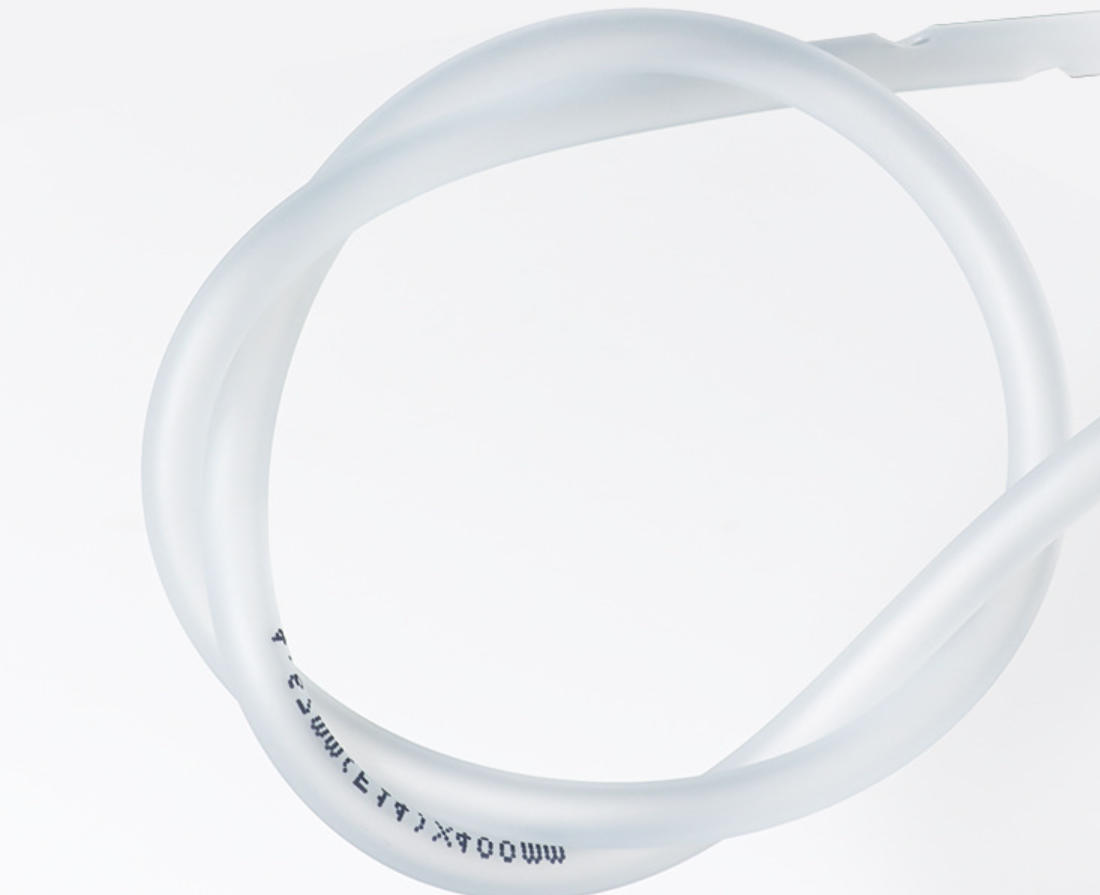
Introduction: The Silent Struggle of Airway Management
For most of us, breathing is effortless. We don’t think about the simple act of inhaling and exhaling. But for millions of people—elderly patients with weak cough reflexes, individuals with tracheostomy tubes, post-surgical patients, and those with neuromuscular disorders—breathing can become a battle against mucus, saliva, and pulmonary secretions.
When natural coughing isn’t enough, suctioning becomes a lifeline. It clears the airway, prevents pneumonia, and literally saves lives.
But here’s the challenge: suctioning requires a sterile, gentle, effective tool. The wrong catheter can damage delicate mucosal tissue, introduce infection, or fail to clear secretions adequately. And for caregivers—whether professional nurses or family members helping an aging parent—the process can be stressful without reliable equipment.
Enter the BUYUER Disposable Medical Suction Catheter Kit – a complete, sterile, single-use suction package that combines medical-grade silicone tubing, a three-port design for efficient suctioning, and essential accessories like disposable gloves. Available in multiple French (F) sizes to fit patients from pediatrics to adults, this kit is designed for tracheostomy care, oral suctioning, and general airway management.
In this article, we’ll explore why the BUYUER suction catheter kit has become a trusted choice for hospitals, nursing homes, and home caregivers—and how its thoughtful features protect both patients and providers.
Part 1: The Critical Role of Suction Catheters – When and Why They’re Needed
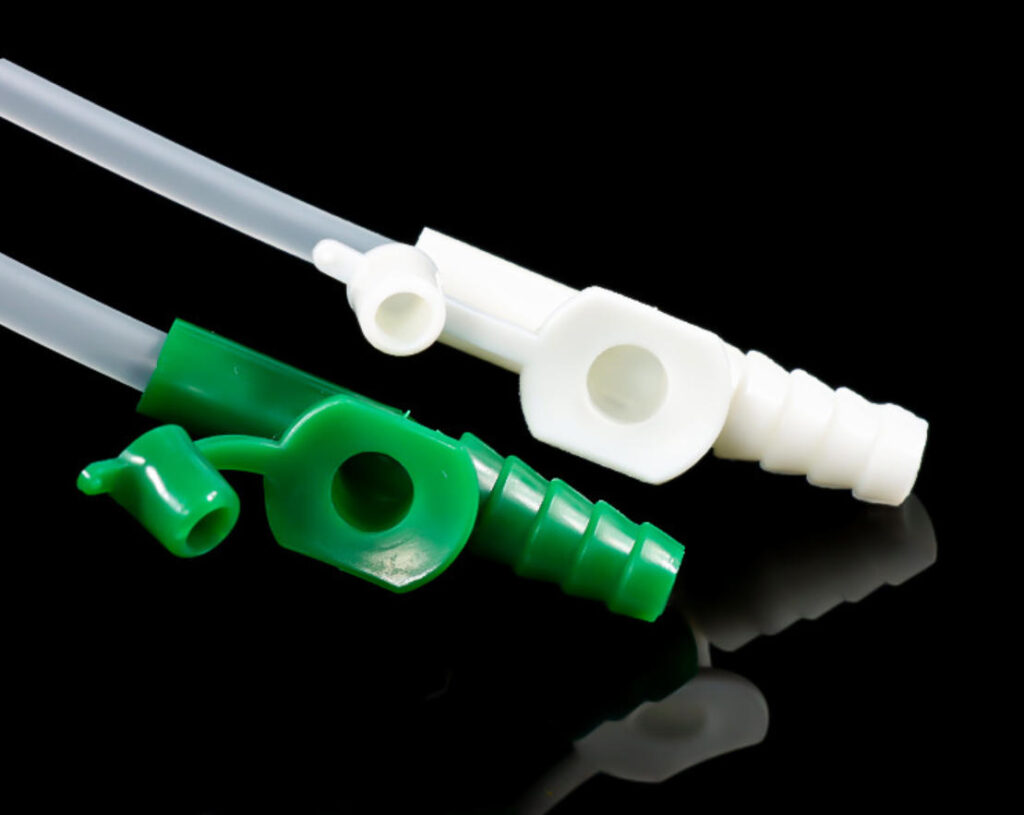
Before we dive into the BUYUER kit itself, let’s understand the medical context. A suction catheter is a flexible tube inserted into a patient’s airway (mouth, nose, or tracheostomy tube) to remove mucus, saliva, blood, or vomit that the patient cannot clear independently.
Common scenarios requiring suctioning:
- Tracheostomy patients: A surgically created opening in the neck (stoma) bypasses the upper airway. Patients cannot cough effectively through a trach tube, so secretions must be physically removed.
- Elderly patients with dysphagia or weak cough: Aging reduces cough force. Mucus can pool in the throat, leading to choking or aspiration pneumonia.
- Post-surgical recovery: After anesthesia, patients may have depressed cough reflexes and excess secretions.
- Neuromuscular disorders (ALS, MS, muscular dystrophy): Progressive muscle weakness impairs the ability to clear airways.
- Respiratory infections (pneumonia, COPD exacerbations): Thick mucus accumulates faster than patients can expel it.
- Emergency & ICU settings: Suction is used during intubation, extubation, and resuscitation.
The risks of poor suctioning technique or equipment:
- Mucosal trauma: Catheters that are too stiff, have rough edges, or are used with excessive suction pressure can damage delicate airway tissues, causing bleeding and scarring.
- Infection: Non-sterile catheters introduce bacteria into the lower respiratory tract, potentially causing ventilator-associated pneumonia (VAP) or other infections.
- Hypoxia (low oxygen): Prolonged or inefficient suctioning can deprive the patient of oxygen.
- Patient distress: Uncomfortable catheters increase anxiety and resistance, making the procedure harder for caregivers.
The BUYUER suction catheter kit addresses every single one of these risks.
Part 2: Meet the BUYUER Disposable Suction Catheter Kit – Complete Breakdown
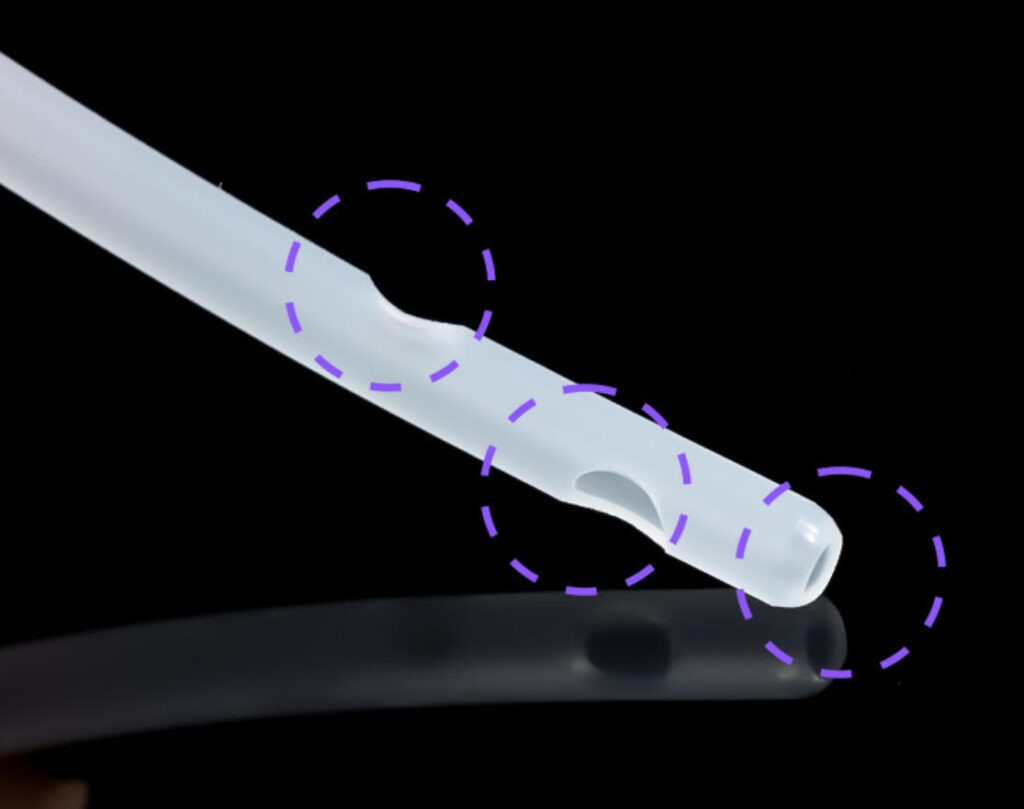
Let’s examine what’s inside each BUYUER kit. Unlike bare catheters that require separate glove purchases and sterilization, this is an all-in-one, sterile, ready-to-use package.
Kit components:
- One sterile silicone suction catheter (length: 40cm / 15.7 inches)
- One pair of disposable medical gloves
- Sterile packaging (individually wrapped, EO gas sterilized)
Catheter specifications by size (French scale):
| Size (French) | Color Code | Diameter (mm) | Inner Diameter (approx.) | Best For |
|---|---|---|---|---|
| F8 | Blue | 2.67mm | Very small | Pediatrics, narrow tracheostomy tubes |
| F10 | Black | 3.33mm | Small | Small adults, delicate airways |
| F12 | White | 4.0mm | Medium | Average adult tracheostomy/oral suction |
| F14 | Green | 4.67mm | Medium-large | Larger adults, thicker secretions |
| F16 | Orange | 5.33mm | Large | Heavy secretions, large-bore trach tubes |
All sizes share the same 40cm length, which is sufficient to reach the carina (where the trachea splits into the lungs) when used through a standard tracheostomy tube or for deep oral suctioning.
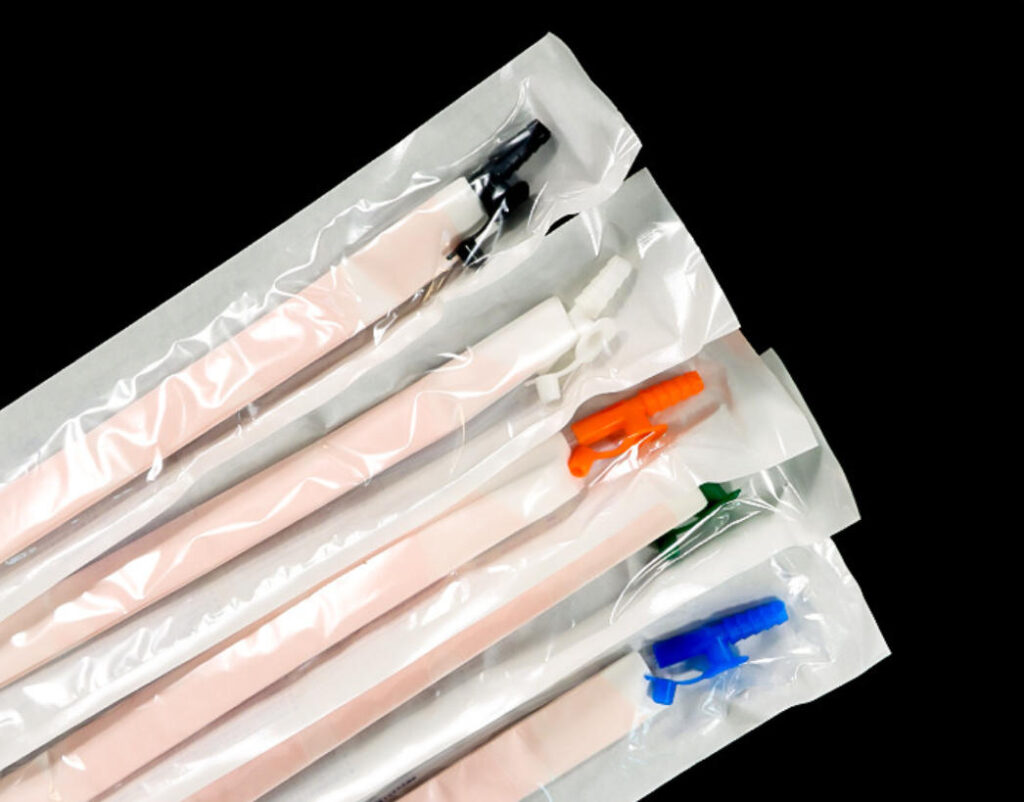
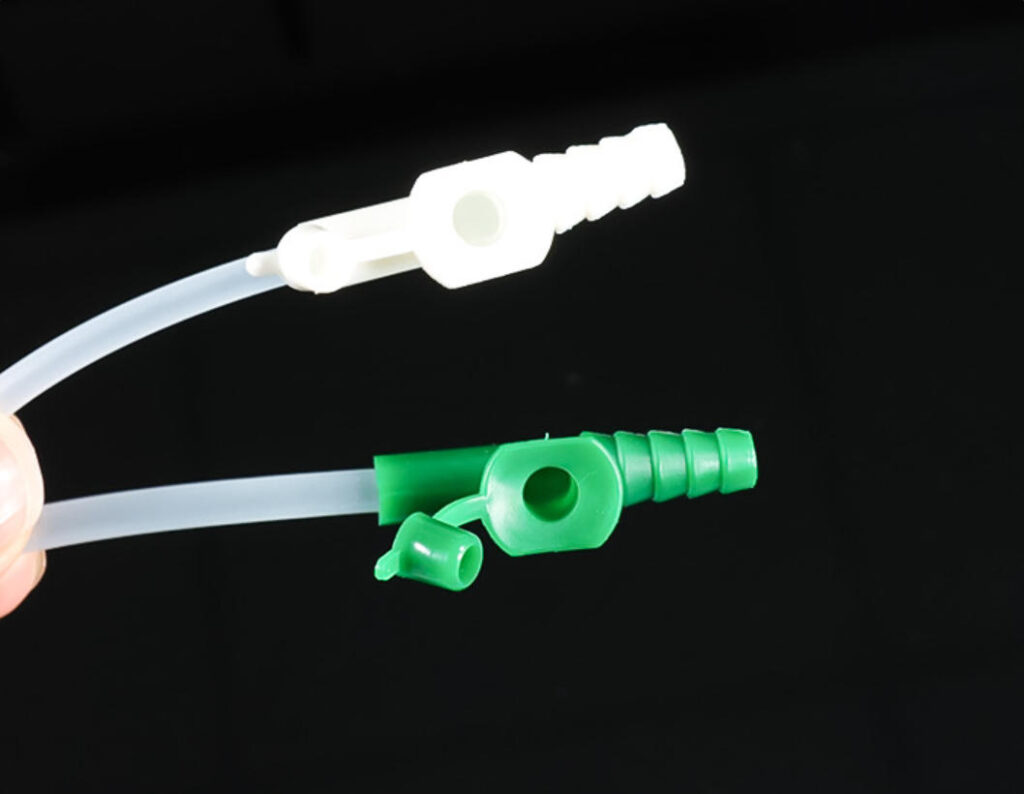
Key feature: Color-coded connectors – each size has a distinct color at the hub. This allows healthcare workers (or trained family caregivers) to grab the correct size instantly, even in low-light or emergency situations.
Part 3: Medical-Grade Materials – Why Silicone Rubber Matters
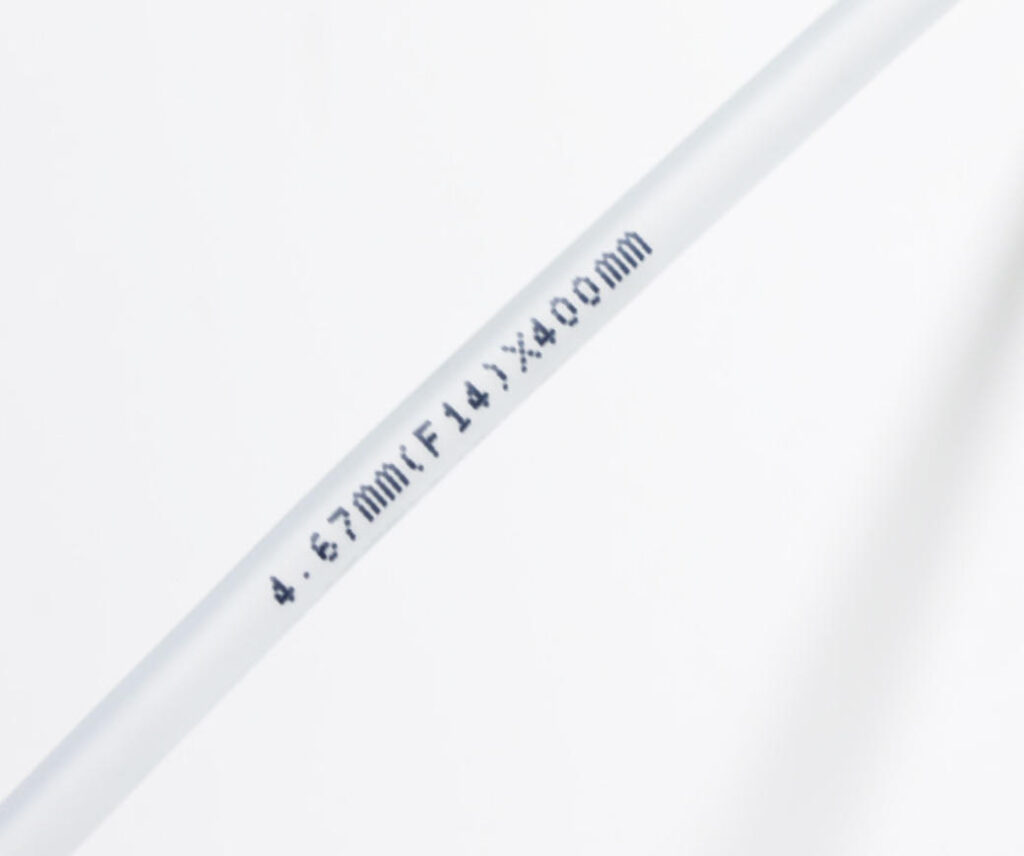
The BUYUER catheter is made from soft silicone rubber, not PVC or hard plastic. This material choice is critical for patient safety and comfort.
Properties of medical-grade silicone rubber:
- Extremely soft and flexible: Silicone catheters bend easily to follow the natural curve of the airway. This reduces the risk of “stabbing” or scraping the tracheal wall.
- Body-temperature responsive: Silicone becomes even more pliable when warmed by body heat, conforming gently to the patient’s anatomy.
- Smooth surface finish: The catheter is manufactured with a low-friction exterior. It glides through tracheostomy tubes and airway passages without snagging or causing resistance.
- Non-allergenic: Silicone is hypoallergenic and contains no latex. Latex allergies are common in healthcare settings; BUYUER eliminates that risk.
- Transparent or translucent: You can see secretions traveling through the tubing—a valuable feedback cue for the caregiver (is mucus clearing? Is there blood?).
Why not PVC or rubber?
Traditional suction catheters were often made of PVC (polyvinyl chloride) or natural rubber latex. PVC can become stiff at room temperature; latex poses allergy risks and degrades over time. Silicone outperforms both in flexibility, biocompatibility, and durability during use.
Part 4: The Three-Port Suction Design – Engineered for Efficiency
This is where the BUYUER catheter distinguishes itself from basic, single-port designs. Look closely at the patient end (the tip) and you’ll see three suction openings—not just one.
Why three holes are better than one:
- Prevents tissue suctioning (mucosal grabbing): A single-hole catheter can suck the delicate tracheal lining directly against the opening, causing trauma and bleeding. With three holes spaced around the tip, suction is distributed. If one hole contacts tissue, the other two continue clearing secretions.
- 360° clearing: Secretions pool in different areas of the airway. Three apertures facing different directions allow the catheter to suction from multiple angles simultaneously—without needing to rotate the tube.
- Reduces clogging: A single hole can become blocked by a thick mucus plug, rendering the catheter useless. With three openings, if one clogs, the other two remain functional.
- Faster, more complete suctioning: More surface area means more efficient removal. Less time suctioning means less risk of hypoxia for the patient.
The tip design is also rounded and smooth, with no sharp edges. Even with three openings, the profile remains atraumatic (non-injuring).
Part 5: Complete Kit Convenience – Gloves, Sterility, and EO Sterilization
One of the biggest frustrations for home caregivers is assembling supplies: Find the catheter. Find gloves. Find lubricant (if needed). Make sure everything is clean. The BUYUER kit solves this by including everything essential in one sterile package.
Epoxy Ethane (EO) Gas Sterilization
The entire kit is sterilized using ethylene oxide (EO) gas – the gold standard for heat-sensitive medical devices. EO sterilization:
- Penetrates packaging materials (so the contents remain sterile until opened)
- Kills bacteria, viruses, fungi, and spores
- Leaves no harmful residue when properly aerated
Comparison to other sterilization methods:
| Method | Effectiveness | Suitability for Silicone | Residue |
|---|---|---|---|
| EO Gas | High (sporicidal) | Excellent | Minimal (aerated) |
| Steam autoclave | High | Silicone can tolerate, but repeated cycles degrade it | None |
| Gamma radiation | High | Can discolor or harden silicone | None |
| Chemical liquid (Cidex) | Moderate | May absorb chemicals | Potential irritant |
For a single-use, disposable product, EO is ideal. You open the package, and it’s ready—no rinsing, no activation, no complicated preparation.
Included disposable gloves:
The kit contains a pair of medical-grade examination gloves (typically nitrile or latex-free, depending on the variant). Having gloves right there in the same package:
- Encourages proper infection control practice
- Prevents the caregiver from having to hunt for gloves in a drawer
- Reduces waste (you open exactly one kit per procedure)
Why single-use matters:
Reusable catheters require cleaning, sterilization, and storage between uses. In real-world home settings, cleaning is often inadequate—biofilm builds up inside the lumen, and bacteria proliferate. A sterile, disposable catheter used once and discarded eliminates that risk entirely. No cleaning, no sterilization equipment, no doubt.
Part 6: 40cm Length – Reaching Deep While Maintaining Control

At 40cm (approximately 15.7 inches), the BUYUER catheter is deliberately long. Why not shorter?
- Tracheostomy access: A trach tube may sit several centimeters below the skin’s surface. To reach the carina (the lowest point of the trachea), you need a catheter significantly longer than the trach tube itself.
- Deep oral suctioning: For patients with weak coughs, secretions can pool in the hypopharynx and upper trachea. A 40cm catheter allows you to suction without “retracting” and repositioning constantly.
- Flexibility with larger patients: Taller patients have longer tracheas. A shorter catheter might not reach deep enough.
That said, the catheter has clearly marked depth indicators (usually in centimeters from the tip). This allows the caregiver to insert only to the predetermined safe depth for that patient—reducing the risk of bronchial wall trauma.
Control features:
- Thumb port: At the proximal (hand) end, there is a control port. Cover it with your thumb to apply suction; release to stop. This gives you precise, moment-to-moment control.
- Universal tapered connector: The catheter hub fits standard suction tubing from most suction machines (portable electric suction units, wall-mount hospital suction, or manual bulb syringe devices). The “universal” design means you don’t need proprietary adapters.
Part 7: Who Is This Product For? – Use Cases Across Care Settings

The BUYUER suction catheter kit is versatile enough for both institutional and home use.
1. Hospitals & ICUs
- Post-operative patients with retained secretions
- Ventilated patients needing routine tracheal suctioning
- Emergency departments for airway clearance
2. Long-term care (nursing homes & skilled nursing facilities)
- Residents with tracheostomies
- Bedridden elders with impaired cough reflexes
- Dysphagia patients who choke on oral secretions
3. Home care for elderly parents
- One of the most common scenarios: an aging parent with COPD, Parkinson’s, or post-stroke weakness has difficulty clearing their throat. A suction kit allows the family caregiver to safely remove mucus without repeated emergency room visits.
- The all-in-one design reduces anxiety for untrained family members—everything needed is right there in the sterile pack.
4. Home tracheostomy care
- Patients discharged with a trach tube (after laryngeal cancer surgery, severe sleep apnea, or prolonged intubation) need regular suctioning. BUYUER kits provide a sterile, consistent product caregivers can order in bulk.
5. Hospice & palliative care
- Comfort is paramount. A gentle, effective silicone catheter causes less distress during end-of-life respiratory care.
6. Pediatric care
- The F8 blue catheter (2.67mm diameter) is appropriately small for children. The soft silicone reduces the risk of airway injury in delicate pediatric patients.
Part 8: Step-by-Step – How to Use the BUYUER Suction Catheter Kit

Disclaimer: This is general guidance only. Always follow your healthcare provider’s specific instructions and local protocols.
Before starting:
- Wash hands thoroughly.
- Open the sterile BUYUER kit on a clean surface.
- Put on the included disposable gloves.
Procedure:
- Prepare the suction machine: Connect the machine’s tubing to the universal tapered hub on the BUYUER catheter.
- Test suction: Occlude the thumb port to verify suction pressure is appropriate (typically 80–120 mmHg for adults, lower for children).
- Prepare the patient: Explain the procedure (if conscious). Position the patient with head slightly elevated. Pre-oxygenate if appropriate.
- Insert the catheter: Gently insert the catheter tip through the tracheostomy tube, mouth, or nostril—without applying suction (thumb port open). Advance to the pre-measured depth.
- Apply suction intermittently: Cover the thumb port for 5–10 seconds, then release. Rotate the catheter slightly as you withdraw. Never suction for more than 10–15 seconds at a time.
- Withdraw completely: Remove the catheter while continuing intermittent suction if needed.
- Clear the catheter: Flush with sterile saline or water through the suction machine.
- Discard: Dispose of the used catheter and gloves according to biohazard waste guidelines. Wash hands.
Never:
- Insert the catheter more than once (use a new sterile catheter for each pass).
- Force the catheter if resistance is met (withdraw slightly and try a different angle or smaller size).
- Apply suction while inserting (that increases trauma risk).
Part 9: Safety Features – Protecting Patients and Caregivers
The BUYUER catheter incorporates several safety-oriented design elements:
For the patient:
- Soft, rounded tip: No sharp bevels.
- Smooth external surface: Reduces friction burns during insertion/withdrawal.
- Three suction ports: Minimizes mucosal trapping.
- Clear visibility: Transparent silicone allows you to see if secretions are moving.
- Flexible shaft: Follows natural airway curves instead of “stabbing” straight.
For the caregiver:
- Color-coded sizing: Instant visual confirmation.
- Universal connector: Works with most suction machines.
- Included gloves: Reduces cross-contamination risk.
- EO sterile packaging: No scary chemical residues.
- Single-use design: No cleaning = no exposure to patient’s bodily fluids during reprocessing.
Part 10: Sizing Guide – Choosing the Right French (F) Size
Selecting the correct catheter diameter is critical. Too large = trauma, difficulty passing through trach tube. Too small = ineffective suctioning.
General guidelines (always follow physician recommendations):
| Patient Type | Recommended Size | Color |
|---|---|---|
| Premature infant | F5–F6 | (custom) |
| Full-term infant to 6 months | F6–F8 | Blue (F8) |
| 6 months to 2 years | F8–F10 | Blue or Black |
| 2–8 years | F10–F12 | Black or White |
| Small adult / adolescent | F12–F14 | White or Green |
| Average adult | F14–F16 | Green or Orange |
| Large adult / thick secretions | F16–F18 | Orange (or larger) |
| Tracheostomy patients | Matches trach tube internal diameter; typically F12–F16 | Varies |
Rule of thumb for trach tubes: The catheter outer diameter should be no more than 50% of the internal diameter of the tracheostomy tube. This leaves room for air to pass around the catheter during suctioning.
Part 11: Storage, Shelf Life & Bulk Options
Storage:
- Keep unopened kits in a cool, dry place away from direct sunlight.
- Do not store near chemicals or ozone-generating equipment.
- Protect from moisture (though sealed packaging is moisture-resistant).
Shelf life: EO-sterilized products typically have a shelf life of 2–5 years, depending on packaging integrity. Check the expiration date printed on each kit.
Bulk purchasing for facilities:
Hospitals, nursing homes, and home health agencies can order BUYUER suction catheter kits in case quantities. Each kit is individually wrapped, making distribution to patient rooms or home health bags simple.
Part 12: Comparison – BUYUER Kit vs. Other Suction Catheters
| Feature | BUYUER Silicone Kit | Basic PVC Catheter (no kit) | Reusable Silicone Catheter |
|---|---|---|---|
| Material | Soft silicone rubber | Rigid PVC | Silicone |
| Included gloves | ✅ Yes | ❌ No | ❌ No |
| Sterility | ✅ EO sterile, single-use | May be sterile (but no gloves) | Must be cleaned by caregiver |
| Number of suction ports | 3 (tri-port) | 1–2 | Varies |
| Color-coded sizing | ✅ Yes (F8–F16) | Sometimes | Sometimes |
| Biofilm risk | None (single-use) | None (single-use) | High (reuse) |
| Caregiver convenience | High (all-in-one) | Low (need to source gloves) | Low (cleaning required) |
| Cost per use | Moderate | Low | Low (but risk of infection higher) |
| Best for | Home care, nursing homes, hospitals wanting complete kit | Budget-conscious hospitals with separate glove supply | Eco-conscious settings with reprocessing capacity |
For most home caregivers and many clinical settings, the all-in-one BUYUER kit offers the best combination of safety, convenience, and patient comfort.
Part 13: Real-World Testimonials (Composite)
“My mother has ALS and cannot clear her own secretions. The BUYUER suction kit has been a lifesaver. Having the gloves right there in the same package means I don’t have to fumble around when she’s choking. And the silicone catheter is so much gentler than the hard plastic ones we used before.”
– Daughter & home caregiver, Ohio
“As a respiratory therapist, I appreciate the three-port design. It genuinely reduces mucosal trauma compared to single-port catheters. We’ve switched to BUYUER for our trach patients who are prone to bleeding airway tissue.”
– RRT, Florida hospital
*“The color-coded sizes are brilliant. At 3 AM when a patient needs emergency suctioning, I don’t have to squint at tiny print—I see green (F14) and I know that’s my adult size. Also, the 40cm length is perfect for bariatric patients.”*
– Night shift RN, Texas
Part 14: Environmental Considerations
Single-use medical disposables create waste—that’s an unavoidable reality of infection control. However, BUYUER minimizes environmental impact where possible:
- No latex: Latex production has significant environmental costs; silicone is more inert.
- Recyclable packaging: Outer cartons are standard cardboard (recyclable). Individual sterile pouches are medical-grade plastic (check local medical waste recycling programs).
- Reduced overall waste: Because the kit includes gloves, you’re not opening separate glove packaging.
Some facilities may wish to explore reprocessing options, but for most, the safety benefits of single-use outweigh environmental concerns in this specific clinical context.
Conclusion: Gentle, Complete, Reliable – The BUYUER Promise
Suctioning is never pleasant. But with the right tools, it can be safe, effective, and minimally distressing for both patient and caregiver.
The BUYUER Disposable Medical Suction Catheter Kit delivers on every front: soft silicone rubber that respects delicate airway tissue; a three-port design that clears secretions efficiently; complete sterility including gloves; color-coded sizing for instant recognition; and universal compatibility with standard suction equipment.
Whether you’re a hospital stocking hundreds of patient rooms, a nursing home caring for tracheostomy residents, a home health agency supporting aging-in-place, or a family member helping a loved one breathe easier—the BUYUER kit offers peace of mind in a sterile package.
Breathe easier. Care better. Choose BUYUER.
Ready to equip your facility or home care kit? Available in F8 (Blue), F10 (Black), F12 (White), F14 (Green), and F16 (Orange)—all with a 40cm length and included disposable gloves. Contact BUYUER or an authorized medical distributor for pricing and bulk orders.